Short Answer
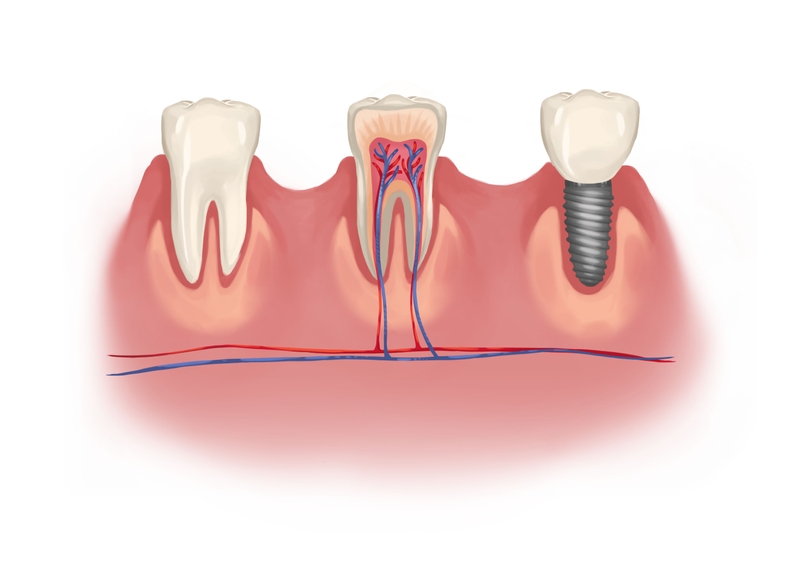
Dental implants, often heralded as a miraculous solution for missing teeth, serve as a beacon of hope for many. However, the journey towards a seamless smile is punctuated with obstacles that can deter even the most resolute patient. So, what are the worst aspects of getting a dental implant? Let’s embark on this enlightening exploration to uncover the multifaceted truths surrounding the pain, cost, and recovery associated with dental implants.
The Pain Dilemma
First and foremost, one cannot overlook the spectre of pain that accompanies dental implants. The very notion of having a titanium post surgically embedded into your jawbone evokes a certain trepidation. But how severe is this pain? Would it be akin to a mere nuisance or an excruciating ordeal?
Generally, the procedure itself may cause discomfort, but advancements in anaesthesia and sedation techniques have markedly lessened the agony for patients. Many report feeling only minor pain or pressure during the actual surgery. However, the post-operative period may present a different narrative.
Once the anaesthesia wears off, one might experience a range of sensations from mild discomfort to more acute throbbing in the affected area. Typically, pain management includes prescribed analgesics and perhaps non-steroidal anti-inflammatory drugs (NSAIDs). It is imperative to follow your dentist’s post-operative instructions closely to mitigate discomfort effectively. Ignoring these recommendations may lead to heightened pain levels and a prolonged recovery.
In the face of this discomfort, some individuals harbour an unshakeable fear of dental procedures in general. This anxiety can magnify the perception of pain, leading to a cycle of dread. Engaging in relaxation techniques, such as deep-breathing exercises or visualisation, can prove beneficial in alleviating this apprehension.
The Question of Cost
The cost breakdown includes the implant, the abutment, and the crown, not to mention consultations, imaging, and any necessary preliminary procedures such as bone grafting. Altogether, the financial outlay can range anywhere from £1,500 to £2,500 per implant. The challenge becomes even more pronounced if multiple implants are necessary. How do patients navigate this financial labyrinth without succumbing to despair?
Many patients can turn to dental insurance, but it is crucial to understand the specific coverage plans available. Most insurance policies may offer partial reimbursement for dental implants, but determining the extent of coverage can be a convoluted process. Sometimes financing options can alleviate the immediate financial burden. Offering payment plans, various dental practices can make treatments more accessible without sacrificing quality.
Recovery Realities
Having explored the pain and cost considerations, the next challenge lies in recovery. The recovery period after receiving a dental implant is pivotal yet often unpredictable. Some may recuperate swiftly, while others may find themselves in a protracted healing phase. So, what does recovery entail?
Typically, the initial recovery phase lasts about 1 to 2 weeks, during which patients may find themselves adjusting to their new reality. Expect swelling, bruising, or even minor bleeding, which can be disconcerting. Ice packs, rest, and a soft foods diet are recommended during this time. But patience is immensely important; it may take several months for the bone to fully integrate with the implant. This osseointegration phase is crucial for the longevity and effectiveness of the implant.
Furthermore, the psychological aspect of recovery should not be ignored. The prospect of a perfect smile can feel tantalising, yet the road to achieving that goal can be fraught with uncertainty and discomfort. Monitoring emotional well-being during the recovery process is essential. Engaging in positive affirmations or seeking support from friends and family can bolster morale, making the transition smoother.
Complications: A Hidden Challenge
Rarely, complications may arise during or post-surgery, including infection, nerve damage, or implant failure. Such potential pitfalls can shatter the hopes of hopeful patients. But how can one mitigate these risks? Comprehensive communication with the dental practitioner is imperative. Discussing any medical conditions, medications, or concerns with the dentist prior to the procedure is essential to safeguard against unforeseen complications.
It is advisable to adhere to a strict oral hygiene regimen before and after the surgery, as this significantly reduces the likelihood of infections. Regular follow-ups also play a critical role in monitoring the healing process, allowing for early intervention if issues arise.
In Conclusion
Embarking on the dental implant journey is undoubtedly worthwhile for many, promising the restoration of confidence and functionality. However, navigating through the intertwining threads of pain, cost, and recovery presents an undeniable challenge. By recognising these aspects and employing proactive strategies, patients can ensure that their experience is as seamless as possible. A blend of adequate preparation, mental fortitude, and professional guidance can pave the way to a dazzling new smile, transforming challenges into triumphs.
FAQ
What is the worst part of getting a dental implant?
The worst parts often include the pain associated with the procedure, the financial cost, and the recovery time required.
How can pain from dental implants be managed?
Pain can be managed with prescribed analgesics, NSAIDs, and following post-operative care instructions closely.
Are dental implants worth the cost?
While dental implants can be costly, many patients find them to be a worthwhile investment for long-term oral health and aesthetics.

Leave a Reply