Short Answer
Wood burning stoves have long been celebrated for their ability to provide warmth and ambiance, transforming a living space into a cozy sanctuary. However, the enchanting flicker of flames often reveals an inevitable adversary: dirty glass. For many enthusiasts of these charming heating appliances, maintaining clear and unobstructed views of the dancing fire is not merely about aesthetics; it’s rooted in a larger fascination with the interplay of function and beauty. In this comprehensive guide, we will delve into the various aspects of wood burning stove glass—covering cleaning recommendations, replacement options, and essential safety tips.
1. Understanding the Importance of Clean Glass
The glass panel on your wood burning stove is not purely decorative; it serves several critical functions. It acts as a safety barrier, preventing accidental contact with open flames, while also allowing you to enjoy the visual appeal of the fire. Moreover, clean glass enhances the stove’s efficiency. Accumulations of soot or creosote can obstruct airflow, hindering the stove’s performance. A clean view invites warmth into your home and promotes optimal combustion. The act of cleaning the glass thus transitions from a mundane chore to an integral part of stove stewardship.
2. The Science Behind Glass Soiling
Before rushing to clean your stove’s glass, it’s intriguing to consider the chemistry of what causes the buildup of grime. As wood burns, it releases moisture, which can interact with particulate matter in the air. This process creates a byproduct known as creosote—a tar-like substance that can cling tenaciously to surfaces. Moreover, the type of wood you burn significantly influences the amount of residue left behind. Hardwoods like oak generally produce fewer emissions than softer woods like pine, which can contribute to greater residue accumulation. Thus, choosing the right fuel is part of the long-term strategy to keep stove glass pristine.
3. The Cleaning Toolkit
Preparing for a thorough glass cleaning session requires not only knowledge but also the right tools. The following items are essential:
- Glass Cleaner: Opt for a cleaner specifically designed for wood stove glass. These formulations cut through carbon deposits without damaging the glass.
- Scraper: A razor blade scraper or a specialized glass appliance tool can help in removing stubborn deposits.
- Microfiber Cloths: These are highly effective for polishing and ensuring no scratches mar the glass surface.
- Protective Gear: Gloves and eyewear should be worn to avoid injury from sharp edges or cleaning chemicals.
4. The Cleaning Process
Cleaning the glass of your wood burning stove entails several key steps:
- Ensure Safety: Make sure the fire is completely extinguished, and the stove has cooled down to a safe temperature.
- Initial Wipe Down: Use a dry microfiber cloth to remove loose dust and debris from the glass surface.
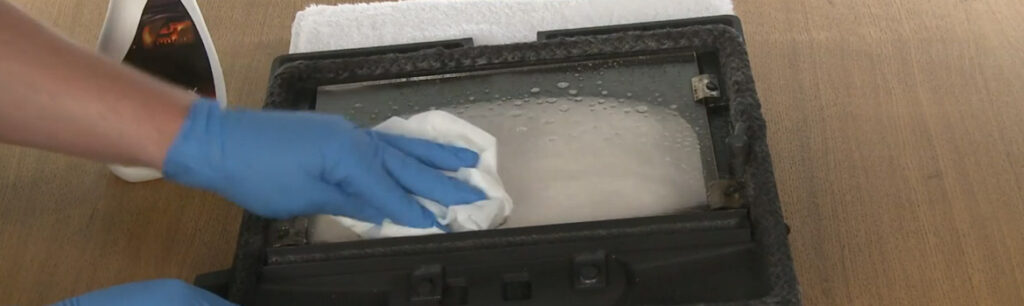
- Appling Cleaner: Spray your glass cleaner onto the surface. Allow it to sit for a few moments to penetrate the grime.
- Scraping: Carefully use the scraper to remove any stubborn soot or creosote. Be gentle to avoid scratching.
- Final Buff: Use a clean microfiber cloth to wipe down the glass, ensuring a streak-free finish.
5. Knowing When to Replace
Despite your best cleaning efforts, wear and tear will inevitably affect your stove glass over time. Cracks and scratches can diminish clarity and pose safety hazards. If you notice any of the following signs, it may be time to consider replacement:
- Visible damage, such as cracks or significant scratches that obstruct your view.
- Discolouration or clouding that cleaning cannot remedy.
- A loss of structural integrity, evidenced by a weakened or crumbling frame.
Replacement panels are often available at your stove manufacturer or can be custom ordered to fit your specific model. Always opt for tempered glass to withstand high temperatures safely.
6. Safety First: Operating Your Stove Responsibly
Regular maintenance—not just of the glass but of the entire stove—is critical for safety. Here are vital safety tips to consider:
- Proper Ventilation: Ensure that your stove is adequately ventilated to facilitate proper combustion and reduce harmful fume accumulation.
- Install Carbon Monoxide Detectors: These should be placed within proximity to your wood stove to promptly alert you to any toxic gas build-up.
- Educate Yourself: Familiarize yourself with your stove’s operation manual and guidelines for safe usage to mitigate risks associated with improper handling.
7. The Enchantment of the Flame
In contemplating the maintenance of stove glass, one comes to appreciate the deeper connection between humanity and fire. The mesmerizing dance of flickering flames has captivated civilisations for millennia, serving as a source of warmth and companionship. Keeping the glass clean allows this elemental relationship to flourish, harmonizing functionality with the elemental charm of the fire within. With proper care and attention to your wood burning stove glass, not only can you ensure safety and efficiency, but you also preserve the allure that brings so many to the hearth.
In conclusion, wood burning stove glass maintenance, replacement, and safety are essential elements of stove ownership. Establishing proper cleaning routines, recognising when to replace your glass, and adhering to safety measures can enhance your experience with this traditional heating source. These practices not only enhance the utility of your stove but also enrich the enchanting ritual of gathering around the fire.
FAQ
How often should I clean wood burning stove glass?
Clean the glass whenever it becomes dirty or after several uses to maintain visibility and stove efficiency.
What causes the glass to become dirty?
Residue from burning wood, such as soot and creosote, accumulates on the glass, especially when burning softwoods or damp wood.
Can I replace the glass myself?
While some may replace stove glass themselves, it is recommended to obtain the correct tempered glass from the manufacturer and follow safety guidelines or hire a professional.
Why is proper ventilation important?
Proper ventilation ensures efficient combustion and reduces harmful fumes like carbon monoxide.
What safety equipment should I have near my stove?
Carbon monoxide detectors and fire extinguishers should be installed nearby for safety.





Leave a Reply