
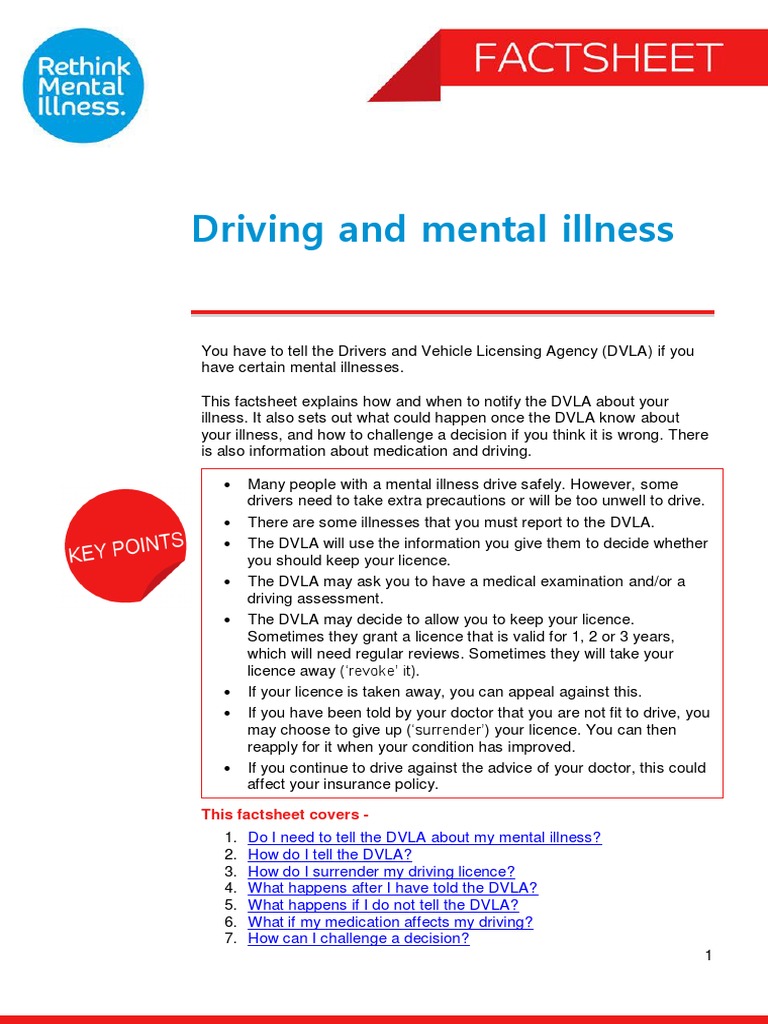
Driving is often likened to a dance with freedom. The open road, sprawling vistas, and the thrill of acceleration can evoke a sense of liberation that few experiences can match. However, this exhilarating freedom has its own set of responsibilities, especially when it intertwines with mental health. Mental illnesses can have a profound impact on an individual’s ability to drive safely, raising significant concerns about public safety and personal wellbeing. In the UK, certain mental health conditions may influence driving eligibility, necessitating an understanding of the pertinent regulations and guidelines. This article delves into the complexities of driving eligibility in the context of mental health, illuminating key considerations that drivers and healthcare professionals must navigate.
Understanding the Legal Framework
In the United Kingdom, the Driver and Vehicle Licensing Agency (DVLA) oversees the regulations regarding driving eligibility, especially as it pertains to medical conditions, including mental health disorders. The law mandates that drivers must inform the DVLA if they suffer from a condition that could impair their driving ability. This vigilant oversight acts as a safeguard, ensuring that those at the helm of a vehicle are fit to navigate the complexities of the road.
Within the UK legal framework, there is a clear delineation between different types of mental health disorders and their potential impact on driving capabilities. The DVLA classifies these conditions based on severity and the degree to which they may interfere with a driver’s necessary cognitive functions, such as perception, judgement, and reaction times. Understanding these classifications is paramount for drivers who face mental health challenges.
Common Mental Illnesses Affecting Driving
Several mental health conditions are recognized for their potential to impede driving abilities. Each condition varies widely in symptoms, intensity, and the duration for which an individual may be affected.
- Anxiety Disorders: Conditions such as generalized anxiety disorder (GAD), panic disorder, or social anxiety can create feelings of intense apprehension or fear that may deter individuals from driving or impair their focus while behind the wheel. The racing heartbeat or overwhelming sense of dread that accompanies anxiety episodes can serve as formidable hurdles for safe driving.
- Depression: This pervasive and debilitating condition can lead to persistent feelings of despair, lethargy, and disinterest. Sufferers may experience cognitive dysfunction or slowed reaction times, severely hindering their ability to respond effectively to the demanding environment of road traffic.
- Bipolar Disorder: Characterized by oscillating states of mania and depression, individuals with bipolar disorder may face challenges during both extremes. Manic episodes can lead to reckless behaviour, while depressive episodes can demotivate a driver from taking needed precautions on the road.
- Post-Traumatic Stress Disorder (PTSD): For individuals grappling with PTSD, unexpected triggers can provoke overwhelming anxiety or flashbacks, often impairing concentration and causing distress. Such episodes can pose substantial risks while driving.
- Psychotic Disorders: Conditions such as schizophrenia can profoundly affect a person’s perception of reality. Hallucinations or delusions can undoubtedly undermine the cognitive processing necessary for safe driving, rendering individuals unable to interpret stimuli or make sound decisions.
The DVLA’s Stance on Mental Health Conditions
Individuals diagnosed with any of the above mental health disorders must consult the DVLA to assess their eligibility to drive. The authority employs a nuanced approach, weighing several factors, including the nature of the disorder, treatment efficacy, and the duration of symptoms. Importantly, not every diagnosis results in an automatic suspension of driving privileges. Each case is examined in isolation, allowing for individual considerations.
For instance, the DVLA may require additional assessments or documentation from medical professionals to evaluate a person’s fitness to drive. Drivers may also be asked to participate in an occupational therapy evaluation or a driving assessment to determine their capabilities comprehensively. Subsequently, the DVLA may either grant a licence, impose certain restrictions (like driving with a qualified supervisor), or revoke it entirely.
Implications for Drivers
For those struggling with mental health issues, understanding these regulations can feel daunting. However, acknowledging concerns and communicating openly with healthcare providers is vital. A proactive approach towards health management often allows individuals to maintain their driving privileges while ensuring their safety and that of others.
It is essential for individuals to regularly monitor their mental health state and its implications for driving. Should symptoms worsen or fluctuate, it is crucial to reassess one’s driving capability and notify the DVLA accordingly. Overlooking these responsibilities can result in severe legal consequences, including fines or even disqualification from driving.
Future Perspectives and Resources
Society’s understanding of mental health continues to evolve, gradually dismantling the stigma surrounding such difficulties. Increasingly, mental health resources and support systems are becoming more accessible, empowering individuals to take charge of their health and well-being. For drivers facing mental health challenges, a plethora of support networks exist, offering guidance, therapy, and community interaction.
Moreover, public awareness campaigns are crucial in illustrating the importance of mental health in driving safety. Advocates for mental health awareness within the driving sphere emphasize the necessity for compassion and understanding, urging both healthcare professionals and the public to engage in supportive dialogues that facilitate safer driving environments.
In conclusion, navigating the intersection of mental health and driving eligibility in the UK requires awareness, transparency, and accountability. Recognizing the weight of mental health conditions and their implications for driving can empower individuals to make informed decisions while prioritizing road safety for everyone.






Leave a Comment