
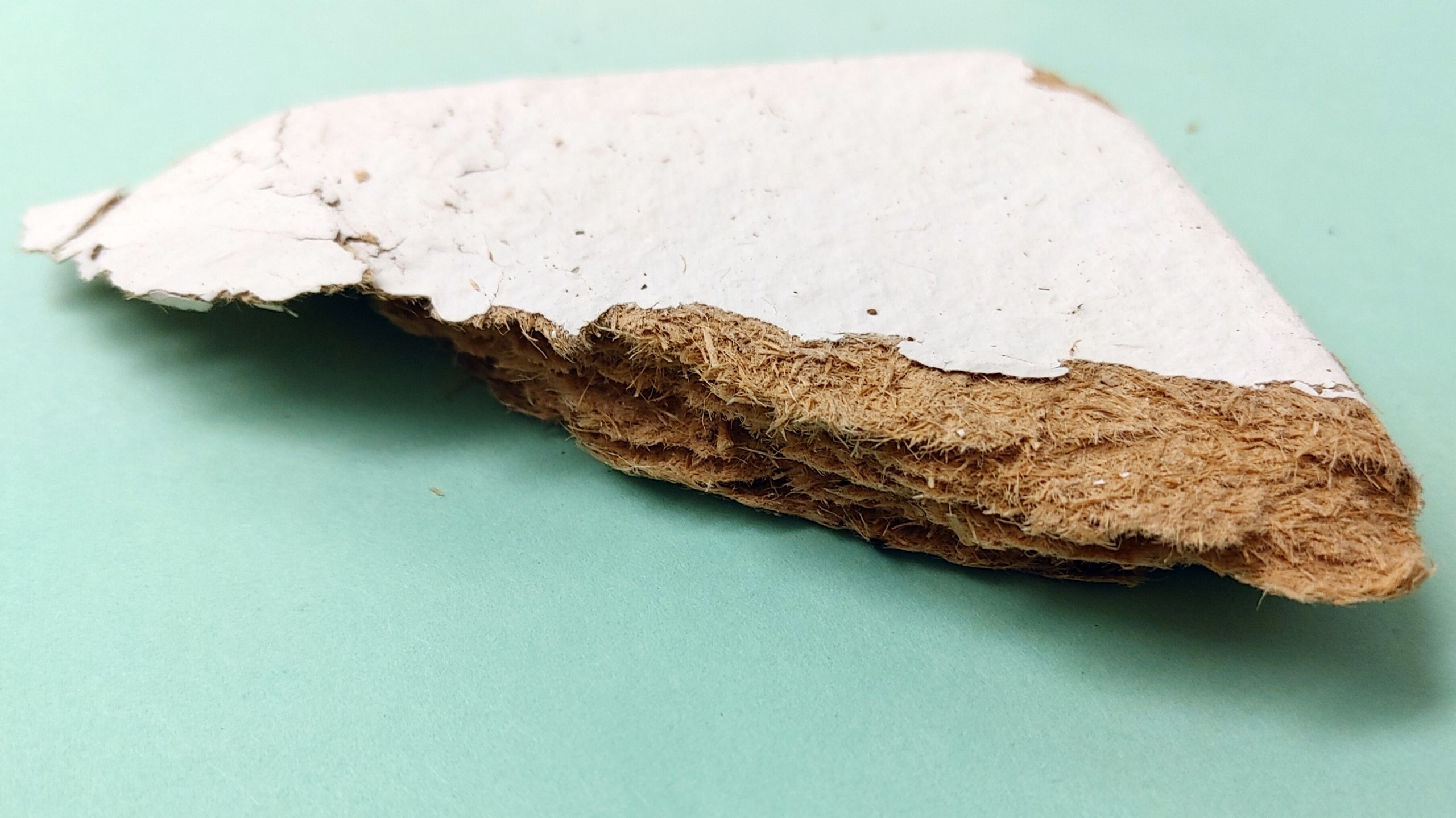
As asbestos remains a prevalent and hazardous material used in construction, particularly in older buildings, it is imperative for homeowners, renovators, and builders to possess comprehensive knowledge about asbestos tiles. These tiles are a significant source of potential toxicity, and their identification is pivotal in ensuring safety. In this article, we will delve into the distinct characteristics of asbestos tiles, the various types available, methods for identification, and essential safety precautions to adhere to.
Understanding Asbestos Tiles
Asbestos tiles, often referred to as vinyl asbestos tiles (VATs), have long been favoured for their durability and fire-resistant properties. These tiles were predominately utilised from the 1920s until the late 1980s, with widespread application in residential and commercial buildings. Their ability to withstand wear while maintaining aesthetic appeal has led to their extensive use in various designs, colours, and patterns.
Types of Asbestos Tiles
Identifying asbestos tiles begins with understanding the different types available. Here are several noteworthy varieties:
- Vinyl Asbestos Tiles (VATs): These tiles are a composite of vinyl and asbestos, often characterised by vibrant colours and intricate designs. They may be solid colours or feature patterns that resemble stone or wood. The asbestos content generally varies, often ranging from 5% to 40%.
- Asbestos Cement Tiles: Distinct from VATs, these tiles are more rigid and composed primarily of cement mixed with asbestos. They are frequently found in outdoor applications such as patios and walkways. The texture is typically smoother, and they often have a less vibrant colour palette.
- Acoustic Tiles: Commonly installed on ceilings, these textured tiles provide sound insulation. Their fibrous texture may incorporate asbestos, and they can be white or off-white. They often exhibit a porous structure that makes them prone to discolouration over time.
- Thermal Insulation Tiles: Found in some older heating systems, these tiles serve dual purposes; they provide thermal insulation while being aesthetically pleasing. Be aware that they may contain asbestos, and careful assessment is necessary.
Identification Characteristics
To accurately identify asbestos tiles, one should consider multiple factors:
- Colour and Design: As previously mentioned, VATs can feature a wide array of colours and patterns. If the tiles present vibrant hues or intricate designs typical of the late 20th century, there’s a likelihood of asbestos content.
- Texture: Asbestos tiles often exhibit a smooth, glossy finish or a fibrous texture. If you encounter a tile that feels unusually firm yet has a somewhat porous texture, further investigation is warranted.
- Thickness: Asbestos tiles typically range from 1/16 to 1/8 inches thick. Thicker tiles may suggest a chance of containing asbestos, particularly if they are older.
- Tile Composition: If possible, inspect the tile composition. An analysis can reveal the presence of asbestos fibres. A laboratory assessment is the only definitive method of determining asbestos content.
Safety Precautions
The identification of asbestos tiles necessitates an acute awareness of the safety protocols involved with their handling and removal. If you suspect the presence of asbestos in your tiles, consider the following safety tips:
- Do Not Disturb: It is crucial to refrain from disturbing suspected asbestos tiles. When left undisturbed, these materials typically pose minimal risk.
- Seek Professional Help: Always consult with certified professionals for inspection and testing. Attempting to remove or tamper with asbestos tiles without proper training and equipment can result in severe health risks.
- Wear Protective Gear: If working with or near asbestos tiles is unavoidable, ensure the use of appropriate personal protective equipment (PPE), including respirators, gloves, and disposable coveralls.
- Have a Plan for Removal: In the event that tiles need to be removed, a well-formulated abatement plan involving licensed asbestos removal contractors should be in place. These professionals are trained to safely handle and dispose of asbestos materials.
- Proper Disposal: Ensure that any removed asbestos tiles are disposed of according to local regulations. Improper disposal can pose a health risk to the community.
Conclusion
Understanding what asbestos tiles look like is crucial for maintaining a safe environment, especially in older buildings. With the knowledge of different types, identification characteristics, and stringent safety precautions, individuals can better navigate potential asbestos hazards. This awareness not only protects one’s health but contributes to the overall well-being of the community. If uncertainty arises regarding the materials present in your home, do not hesitate to contact a professional and make informed decisions about the best course of action.





Leave a Comment