Short Answer
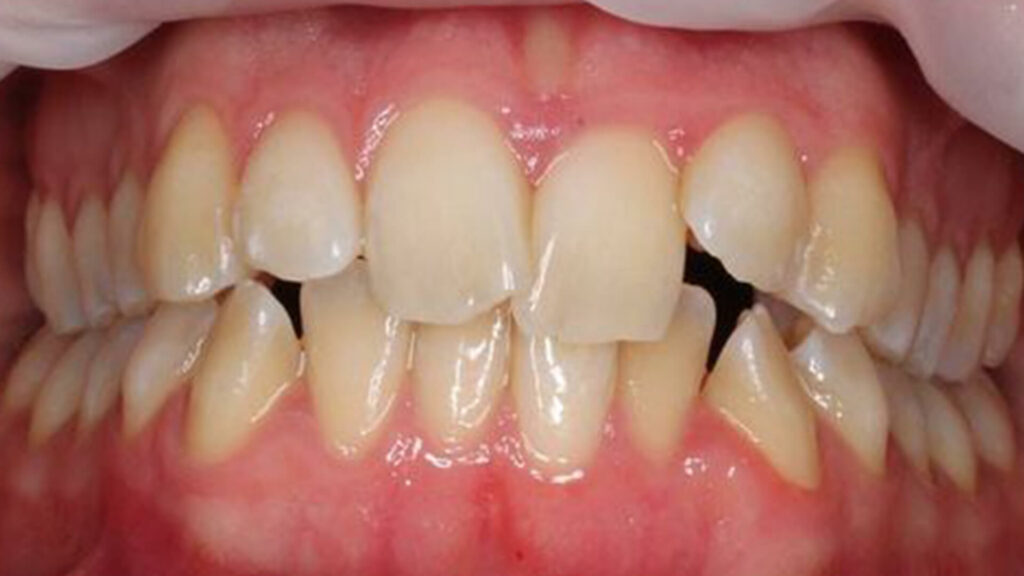
Overbites, often portrayed as merely an aesthetic concern, are a nuanced dental issue that can wreak havoc on one’s oral health and self-esteem. While many believe overbites are solely genetic or the result of a long-gone childhood habit of thumb-sucking, numerous unexpected behaviours and lifestyle choices can contribute to this dental dilemma. Understanding these factors is not just about preserving a perfect smile—it’s about reclaiming oral health and preventing further complications. Let’s delve into the surprising habits that might be quietly wrecking your smile and discover the complex tapestry of causes that lead to an overbite.
1. Genetic Predisposition: The Hidden Influence
Many individuals who develop an overbite may attribute it to their familial lineage. Genetics play a significant role in determining the shape of your jaw and the alignment of your teeth. If your parents or siblings showcase similar dental attributes, it’s likely that hereditary factors may predispose you to the same fate. Jaw size, tooth size, and even the positioning of your facial structure are often passed down, making it essential to consider your family’s dental history when evaluating your own oral health.
2. Early Childhood Habits: The Impact of Innocent Actions
Habits formed during early childhood can have long-lasting implications on dental health. Thumb-sucking, prolonged use of pacifiers, and even certain bottle-feeding techniques can encourage the development of an overbite. Such activities can lead to improper jaw alignment as children grow. Parents should monitor these behaviours and seek guidance if they persist past developmental milestones, as addressing them early can mitigate the risk of an overbite.
3. Misaligned Dentition: The Role of Crowding and Spacing
Teeth that are crowded or widely spaced can precipitate the onset of an overbite. When teeth erupt in a misaligned manner, one set may protrude more than the other, thus leading to an overbite condition. Regular dental visits are crucial for monitoring the alignment and spacing of teeth as they continue to erupt in childhood. Timely interventions can prevent minor misalignments from snowballing into significant issues.
4. Unconscious Habits: The Mystery of Teeth Grinding
Bruxism, or teeth grinding, is often an unconscious habit driven by stress or anxiety. This detrimental behaviour can significantly influence dental alignment. Over time, pressure from grinding can lead to shifting in teeth position, potentially exacerbating an existing overbite or creating one anew. Recognising signs of bruxism and seeking stress management solutions can aid in reducing this risky habit, thus preserving your dental architecture.
5. Oral Misuse: The Dangers of Non-Dental Activities
Engaging in non-dental activities with the mouth poses significant risks to dental health. Biting on pens, ice, nails, or other hard objects may seem innocuous, but they can lead to misguided pressure and movement of teeth. Such activities can create an environment ripe for the exacerbation of an overbite. Learning to break these habits can not only improve dental alignment but also protect against enamel wear and fractures.
6. Mouth Breathing: The Hidden Peril
Although often overlooked, mouth breathing can disturb the delicate balance of oral and facial development. Individuals who breathe through their mouths instead of their noses often change the position of their jaws, leading to potential alignment issues. This habit may stem from allergies, nasal obstructions, or other respiratory concerns. Consulting an ear, nose, and throat specialist can be the first step in rectifying this habit, allowing for improved nasal function and, subsequently, better dental alignment.
7. Diet and Nutrition: The Enigmatic Connection
Your diet plays an essential yet often underestimated role in maintaining oral health. A diet high in sugars and processed foods can foster an environment for dental decay, which can exacerbate alignment issues. As teeth deteriorate or shift due to decay, the risk of developing an overbite heightens. Emphasising a diet rich in fibrous fruits and vegetables not only promotes overall health but supports optimal dental alignment as well.
8. Hormonal Changes: An Unexpected Influence
Hormonal fluctuations, especially during puberty and pregnancy, can affect bone density and structure, subtly altering the functionality of the jaw and teeth. These changes may influence the positioning of the jaw, potentially leading to or worsening an overbite. Being attuned to your body during these times and maintaining regular dental check-ups can help in identifying any potential divergences in oral health away from the norm.
9. Dental Appliances: Be Mindful of the Metal
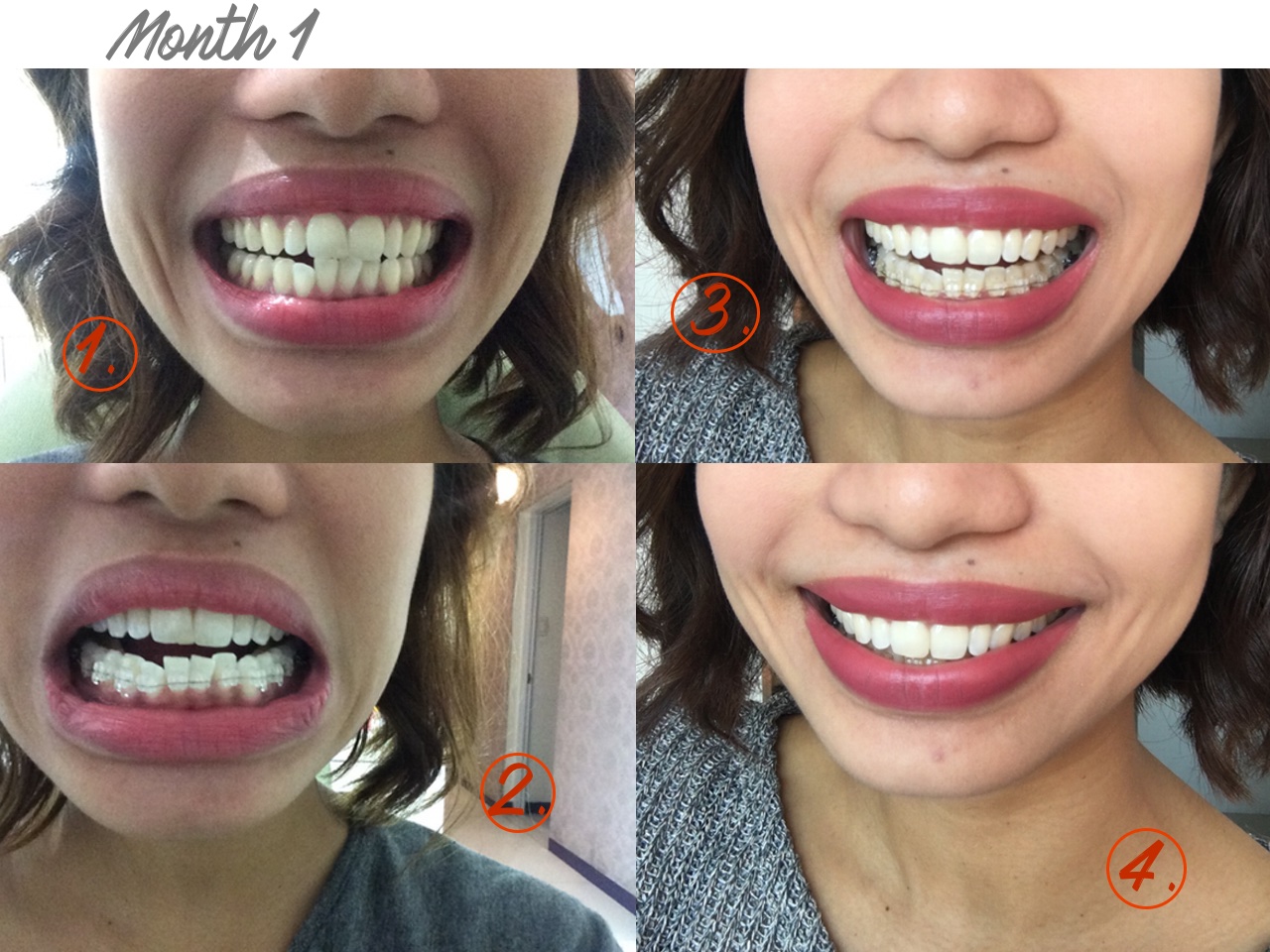
For many, braces and other orthodontic appliances are a rite of passage. However, improper or inconsistent use can lead to misalignments and, in some cases, exacerbate an overbite. It is paramount for individuals undergoing orthodontic treatment to adhere to their dentists’ instructions and maintain regular appointments, as this vigilance ensures that appliances function effectively in correcting misalignments instead of complicating them further.
10. Psychological Factors: The Stress Connection
The intricate relationship between mental health and physical well-being cannot be overlooked. Stress and anxiety can manifest through various oral habits, particularly bruxism, as previously mentioned. Moreover, dental phobias may deter individuals from seeking necessary treatment for alignment issues, allowing minor conditions to evolve into significant problems over time. Prioritising mental health and addressing any fears associated with dental visits can foster a more positive outcome for oral health.
In conclusion, the causes behind an overbite are multifaceted, extending beyond genetics to encompass a labyrinth of unexpected habits and lifestyle choices. Recognising the nuances of these factors is critical in implementing preventive strategies. By understanding the interplay between different elements affecting your dental alignment, you can take active steps to protect your smile and preserve your oral health for years to come. Adopting a proactive approach leads not only to a more confident grin but vastly improves overall well-being. The journey towards a healthy smile may be intricate, but awareness is the first stepping stone towards positive change.
FAQ
What are the main causes of an overbite?
The main causes of an overbite include genetic predisposition, early childhood habits, misaligned teeth, unconscious habits like bruxism, mouth breathing, diet, hormonal changes, and improper use of dental appliances.
Can lifestyle choices affect the development of an overbite?
Yes, lifestyle choices such as diet, stress management, and dental hygiene practices can significantly influence the development and severity of an overbite.
FAQ
What are the main causes of an overbite?
Overbites can be caused by genetic factors, childhood habits like thumb-sucking, misaligned teeth, bruxism, mouth breathing, and poor dietary choices.
How can I prevent an overbite?
Prevention involves monitoring childhood habits, maintaining regular dental visits, and addressing any oral health concerns promptly.
Is an overbite only an aesthetic issue?
No, while it can affect appearance, an overbite can also lead to significant dental health issues and discomfort.
FAQ
What is an overbite?
An overbite is a dental condition where the upper teeth significantly overlap the lower teeth, which can be caused by various factors including genetics and habits.
What causes an overbite?
Overbites can be caused by genetic predisposition, early childhood habits like thumb-sucking, misaligned teeth, unconscious habits such as teeth grinding, and even mouth breathing.
How can I prevent an overbite?
Preventing an overbite involves monitoring childhood habits, maintaining regular dental check-ups, and addressing lifestyle factors that may contribute to misalignment.
FAQ
What is an overbite?
An overbite is a dental condition where the upper front teeth significantly overlap the lower front teeth, which can affect both appearance and oral health.
What habits can cause an overbite?
Habits such as thumb-sucking in childhood, teeth grinding, and mouth breathing can contribute to the development of an overbite.
How can I prevent an overbite?
Preventive measures include regular dental check-ups, monitoring childhood habits, and maintaining a healthy diet.


Leave a Reply