Short Answer
When it comes to baking, few flavours are as delightful or ubiquitous as vanilla. From cakes to cookies, vanilla adds a wholesome depth that elevates any dessert. However, in the culinary theatre of flavours, two protagonists emerge: vanilla extract and vanilla essence. These two ingredients, while often used interchangeably, present significant differences that can affect the taste, cost, and utilisation in baking. Understanding these distinctions will empower you to make informed decisions for your culinary creations.
The Essence of Vanilla
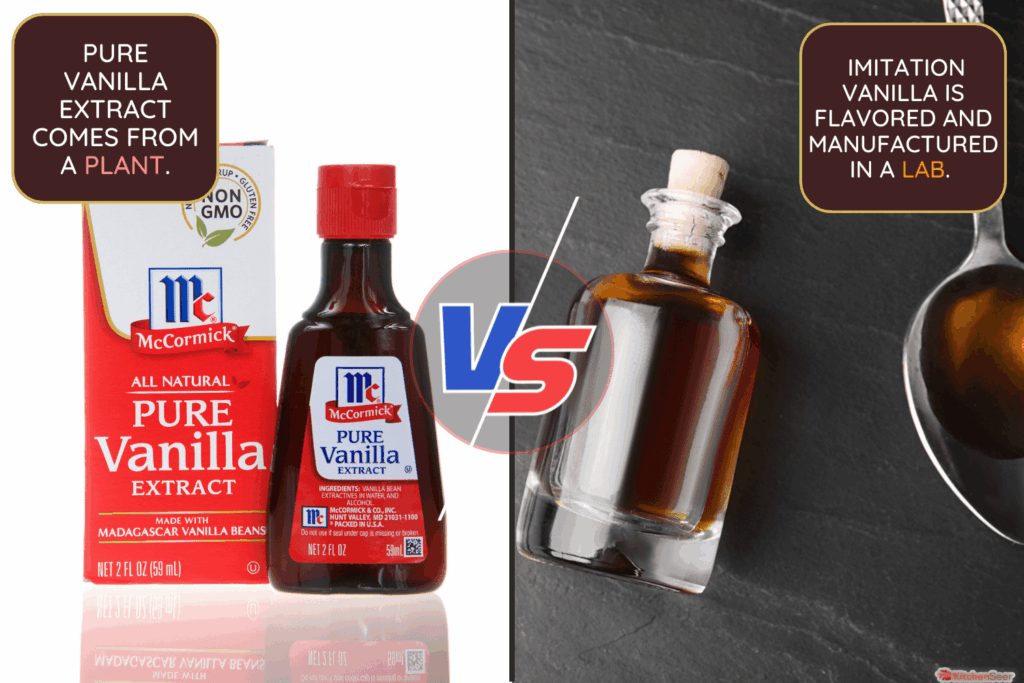
To grasp the nuances between vanilla extract and essence, one must first understand their origins. Vanilla extract is a natural product derived from the cured beans of the vanilla orchid, specifically Vanilla planifolia. This process involves steeping the beans in alcohol, which extracts the aromatic compounds and flavours embedded within. The result is a highly fragrant liquid that captures the complexities of real vanilla.
Conversely, vanilla essence typically refers to a synthetic imitation of vanilla flavour. Synthesised from chemicals like vanillin, which is predominantly sourced from lignin in wood or guaiacol, essence captures only a fraction of the intricacies found in true vanilla. While it may provide a sweet and pleasant aroma, it lacks the multifaceted depth that genuine vanilla extract offers.
The divergent origins of these two ingredients lead to substantial variances in flavour profiles. The rich and buttery undertones of vanilla extract contrast starkly with the singular sweetness of vanilla essence. As such, the utilisation of these ingredients can significantly influence the final outcome of your baked goods. For recipes that rely on the nuanced complexity of vanilla, such as intricate pastries or delicate soufflés, vanilla extract is the ingredient of choice. Its robust flavour stands up to other strong components, offering a delicious balance.
Taste: A Study in Complexity
When delving into the realm of taste, it becomes evident that the subtleties of flavour imparted by vanilla extract far surpass the simplicity of essence. The depth of flavour obtained from natural vanilla includes various aromatic compounds, including phenolics and esters, giving it a rounded and intricate profile. These compounds develop as the beans age and ferment, contributing to a flavour that is rich, warm, and slightly woody.
In contrast, vanilla essence presents a flatter, more one-dimensional taste experience. While it may satisfy a sweet tooth, it often lacks the creamy richness associated with baking. For those who appreciate the art of flavour layering in desserts, the choice becomes clear. When aiming for complex recipes that require a harmonious interplay of tastes, vanilla extract reigns supreme.
Cost Considerations
Throughout the culinary world, the cost of ingredients often shapes the selection process. Vanilla is one of the most labour-intensive crops to grow; thus, its raw form is significantly more expensive than synthetic alternatives. The price of pure vanilla extract can fluctuate drastically depending on the supply and demand for vanilla beans. This is particularly evident during times of poor harvests or environmental impacts, pushing prices up considerably.
Vanilla essence, on the other hand, offers an economical alternative. With no reliance on the labour-intensive cultivation of real beans, essence is far more affordable for the budget-conscious baker. However, while the immediate financial savings are appealing, one must consider the long-term impact on flavour. The old adage, “you get what you pay for,” rings true in this context. If the ultimate goal is to elevate a dish to new heights of gastronomic delight, investing in vanilla extract can yield far superior results.
Baking Uses: A Match for Every Recipe
The applications of vanilla extract and essence in baking are plentiful, yet their effectiveness can vary based on the requirements of specific recipes. Vanilla extract is highly versatile, capable of enhancing anything from cake batters to custards. The warm flavour profile it provides is particularly well-suited for baked goods that require a rich, comforting taste.
For lighter applications, such as whipped creams or frostings, both extracts and essences can be used, though the choice may affect the overall result. When whipping cream for a light dessert, a splash of vanilla essence may suffice to impart a pleasant sweetness without overpowering the mixture. However, for a more pronounced vanilla flavour, especially in delicate pastries like macarons, opt for the potent extract.
Cookies and cakes particularly benefit from the use of vanilla extract, as the baking process enhances its flavours through evaporation and caramelisation. The nuanced undertones of extract elevate the overall flavour profile, bringing out various elements in the recipe. Meanwhile, essence may serve well in larger, mixed batches where the subtlety of flavour may become less apparent, but for those who desire to craft mouth-watering treats, the extract is invariably the gold standard.
Conclusion
In the grand tapestry of baking, the choice between vanilla extract and vanilla essence can profoundly influence the outcome of your culinary endeavours. While essence may offer a convenient and cost-effective option, vanilla extract brings an unparalleled depth of flavour that resonates throughout your baked goods. When seeking to create treats that entice the palate with rich, complex flavours, turning to the natural allure of vanilla extract is a decision that can transform the ordinary into the extraordinary. By understanding these distinctions, bakers can ensure that every culinary creation is infused with the enchanting essence of quality vanilla.
FAQ
What is the difference between vanilla extract and vanilla essence?
Vanilla extract is a natural product derived from vanilla beans, while vanilla essence is a synthetic imitation made from chemicals like vanillin.
Which is better for baking, vanilla extract or vanilla essence?
Vanilla extract is generally preferred for baking due to its richer and more complex flavor.
Why is vanilla extract more expensive than vanilla essence?
Vanilla extract is made from real vanilla beans, which are labor-intensive to grow, making it significantly more expensive than synthetic essence.
Can I substitute vanilla essence for vanilla extract in recipes?
Yes, you can substitute vanilla essence for vanilla extract, but it may affect the flavor complexity of the final dish.


Leave a Reply