
Welding is an intricate art form that combines skill and the right materials. Among the numerous choices available for welding wires, stainless steel MIG (Metal Inert Gas) wire stands out due to its unique properties and versatility. Have you ever wondered what variety of stainless steel MIG wires exists and how they can be utilised effectively in different scenarios? In this article, we shall delve into the myriad types, sizes, and applications of stainless steel MIG wire, unveiling not only its potential but also the challenges it poses in the world of welding.
Stainless steel is renowned for its corrosion resistance, durability, and aesthetic appeal, making it a popular choice across various industries, such as automotive, construction, and food processing. However, with great choices come great challenges. Selecting the right type of stainless steel MIG wire for specific applications requires an understanding of the properties and characteristics of the wire itself.
To begin our exploration, it is imperative to grasp the typical compositions found in stainless steel MIG wires. Two common grades used for MIG welding are AISI 308 and AISI 316. The AISI 308 wire, primarily used for welding 304 stainless steels, is enriched with chromium and nickel, enhancing its overall order of resistance to rust and oxidation. In contrast, AISI 316 incorporates molybdenum, making it ideal for more corrosive environments, such as marine applications. This wire is particularly effective when exposed to saltwater or acidic substances where enhanced corrosion resistance is required.
Moving beyond grades, the diameter of stainless steel MIG wires varies significantly. They typically range from 0.6 mm to 1.2 mm, each offering its distinct advantages and suitable applications. For example, a larger diameter wire, such as 1.2 mm, may be more suitable for thicker materials, allowing for higher welding speeds and deeper penetration. Conversely, for delicate tasks or thin sheet metals, a 0.6 mm wire allows for more precision and control. But will you opt for a larger diameter for speed, or a smaller one for finesse?
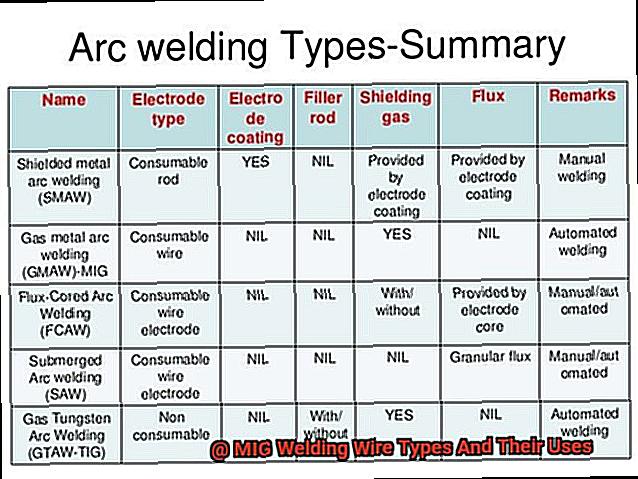
The selection of MIG wire is not just a matter of diameter and grade; it also encompasses the choice between solid and cored wires. Solid wires provide a consistent feed and work well in most situations. On the other hand, flux-cored wires can be invaluable in outdoor conditions or when dealing with heavily contaminated surfaces. The internal flux creates a shielding gas, which aids in protecting the welding pool from atmospheric contamination. This brings forth a conundrum: in what situations would you benefit from one type over the other? Understanding the environment and specific challenges of your project will significantly influence your wire selection.
When it comes to joint configurations, stainless steel MIG wires excel in a variety of situations from butt welds to lap welds. Depending on the intended joint design and the thickness of the base metal, your choice of wire diameter and type will vary. In cases where you are welding thicker metals, a systematically designed joint may require pre-heating of the base material to avoid cracking. This challenge often arises with thicker materials, and the choice of wire may directly influence the heat input and weld quality.
Moreover, the selection of shielding gas is equally pivotal in stainless steel MIG welding, as it affects the arc stability and bead appearance. Typically, a mix of argon and carbon dioxide is used, providing a balance between stability and penetration. However, the proportions can vary based on the specific application and the type of stainless steel being welded. It’s crucial to find the right synergy between wire type, size, shielding gas, and welding parameters. Will the gas be your ally or adversary in achieving that flawless weld?
As we progress further, let’s discuss the various applications for stainless steel MIG wires. The automotive industry makes extensive use of these wires, particularly for exhaust systems and structural components. Their high tensile strength and excellent corrosion resistance are critical in these domains. Additionally, in the construction sector, stainless steel MIG wires are employed for welding architectural features, handrails, and food processing equipment. Have you thought about how the choice of wire can impact the longevity and safety of these structures?
Food safety regulations further instantiate the importance of using the appropriate wire. Since stainless steel is easily cleanable and non-corrosive, complying with stringent health standards becomes less challenging. However, the wrong wire choice—even in a seemingly minor project—can lead to severe repercussions for health and safety. This raises the question: is the short-term gain of convenience worth the long-term risk of compromised safety?
In conclusion, as one navigates the fascinating realm of stainless steel MIG welding, an acute awareness of wire types, sizes, and applications is paramount. The myriad options available present both opportunities and challenges, compelling the welder to make informed decisions. By understanding the unique properties of stainless steel MIG wires, you equip yourself not just to create beautiful and robust welds, but also to tackle the unforeseen hurdles that might arise along the way. Strive to delve deep into this intricate world, and you may find that your selection of stainless steel MIG wire is the linchpin to your welding success.





Leave a Comment