Short Answer
The allure of altering one’s eye colour has long captivated individuals seeking a bold change. Among the myriad options available in the cosmetic realm, permanent eye contact lenses have emerged as a notable choice for those desiring a lasting transformation. However, opting for this procedure involves a consideration of various factors, including risks, financial implications, and viable alternatives. This article delves into comprehensively understanding permanent eye contact lenses, outlining their potential hazards, associated costs, and safer substitutes.
The Intricacies of Permanent Eye Contact Lenses
Permanent eye contact lenses are typically a surgical insertion of a lens within the eye, designed to alter the natural iris colour permanently. This innovative procedure has gained traction in recent years, especially among those who wish for a consistent and vibrant eye colour without the inconvenience of daily lens application. However, understanding the intricacies of this technology is paramount for anyone contemplating the journey.
Understanding the Risks
While the prospect of achieving a permanent eye colour change is enticing, the associated risks can be substantial. Among the most significant concerns are:
- Infection: Surgical procedures inherently carry the risk of infection, which can lead to serious complications, including severe ocular inflammation and even loss of vision in extreme cases.
- Corneal Endothelial Damage: The placement of a contact lens within the eye can inadvertently damage the corneal endothelial cells, which can affect eyesight and lead to further complications.
- Visual Disturbances: Post-operative patients might experience visual impairments, including halos, glare, and blurred vision, which may persist long after the procedure.
- Rejection of the Lens: The body may react adversely to the implanted lenses, resulting in discomfort, improper fitting, and the potential need for removal.
Before proceeding with permanent eye contact lenses, comprehensive consultation with a qualified ophthalmologist is essential to evaluate personal risks and the possibility of underlying conditions that could exacerbate complications.
Costs Associated with Permanent Eye Contact Lenses
The financial aspect of permanent eye contact lenses is another critical consideration. The costs can vary significantly depending on several factors:
- Geographical Location: Costs differ markedly across regions and countries. In more urbanised areas, expenses may be substantially elevated due to demand.
- Surgeon Expertise: The experience level and reputation of the surgeon can influence the overall price. Highly reputable professionals often command higher fees.
- Type of Lens: The choice of lens also impacts the cost. High-quality, state-of-the-art lenses may incur additional expenses compared to standard options.
On average, individuals can anticipate spending anywhere from £3,000 to £8,000 for the procedure. This investment also necessitates consideration of potential follow-up appointments and any remedial treatments required, which can cumulatively escalate the total expenditure.
Evaluating Safer Alternatives
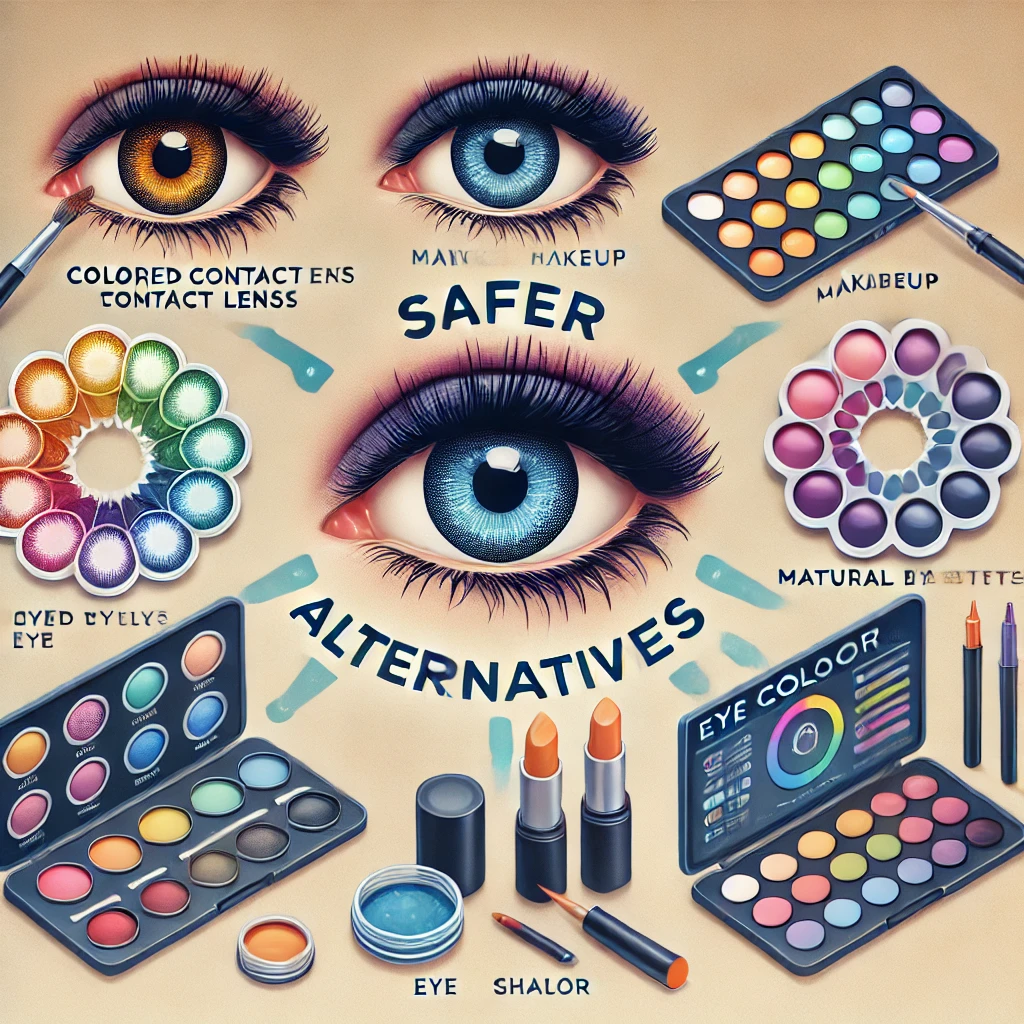
For those deterred by the risks and costs associated with permanent eye contact lenses, there exist several safer alternatives to consider:
- Coloured Contact Lenses: Unlike permanent options, coloured contact lenses are a non-invasive way to experiment with eye colour. Available in various shades and orders, they can be used for both cosmetic and corrective purposes.
- Iris Tattooing: While still an artistic endeavour, iris tattooing allows individuals to change the appearance of their eyes without surgery. However, this method does carry its own set of risks, including allergic reactions and potential vision impairment.
- Eye Drops that Alter Colour: For those seeking a temporary change, certain eye drops can enhance or shift the natural tint of one’s irises, providing an opportunity for a fleeting transformation without any surgical implications.
These alternatives, while varying in permanence and impact, provide safer avenues for those who are hesitant about permanent changes.
Conclusion: Making an Informed Decision
The pursuit of unique eye colour through permanent eye contact lenses presents both opportunities and challenges. It is vital for prospective patients to engage in thorough research, weigh the accompanying risks, understand the financial ramifications, and consider safer alternatives. Every individual frames their identity in different hues, and while permanent changes can be alluring, safety and informed choices should always take precedence. Eye colour can be a beautiful aspect of self-expression, but it is worth ensuring that the method chosen aligns with both aesthetic desires and personal wellbeing.
FAQ
What are permanent eye contact lenses?
Permanent eye contact lenses are surgical implants designed to change the natural color of the iris permanently.
What are the risks associated with permanent eye contact lenses?
Risks include infection, corneal damage, visual disturbances, and potential rejection of the lens.
How much do permanent eye contact lenses cost?
The cost typically ranges from £3,000 to £8,000, varying by location and surgeon expertise.
What are some safer alternatives to permanent eye contact lenses?
Safer alternatives include colored contact lenses, iris tattooing, and eye drops that alter color temporarily.
FAQ
What are permanent eye contact lenses?
Permanent eye contact lenses are surgical implants designed to change the natural color of the iris permanently.
What are the risks associated with permanent eye contact lenses?
Risks include infection, corneal damage, visual disturbances, and potential rejection of the lens.
How much do permanent eye contact lenses cost?
The cost typically ranges from £3,000 to £8,000, varying by location and surgeon expertise.
What are some safer alternatives to permanent eye contact lenses?
Safer alternatives include colored contact lenses, iris tattooing, and eye drops that alter color temporarily.




Leave a Reply