
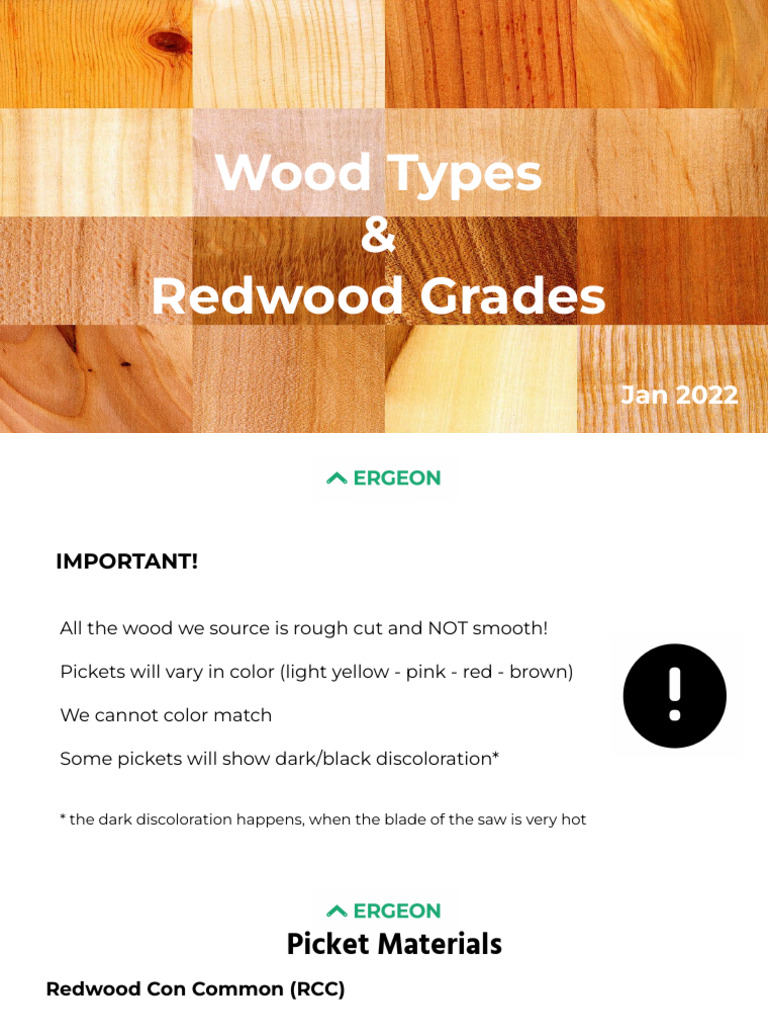
When embarking on the journey of wood types, one question invariably arises: Is redwood a hardwood? This inquiry, seemingly straightforward, unravels a tapestry of biological nuances, botanical classifications, and ecological implications that captivate enthusiasts and professionals alike. As we delve into the world of wood, understanding the characteristics of redwood – scientifically known as Sequoia sempervirens – and the broader classifications of hardwoods and softwoods will unlock new appreciation for this remarkable timber.
To answer the primary question: no, redwood is not classified as a hardwood; it falls under the category of softwoods. The distinction between hardwoods and softwoods primarily hinges on the type of trees from which the lumber is derived. Hardwoods, such as oak, maple, or cherry, originate from angiosperms, trees that bear seeds with coverings, whereas softwoods, like redwood, are sourced from gymnosperms, trees that produce cones and typically have needles.
Yet, the classification system is not as simplistic as one might assume. Many characteristics contribute to the categorisation of these wood types, with density, grain structure, and usability forming critical components of their classification. Rarely, if ever, is the nomenclature solely indicative of a wood’s hardness. For instance, some softwoods can be denser than hardwoods, with several species of pine and fir exhibiting notable resilience and strength that rivals more traditionally defined hardwoods.
One of redwood’s most admirable attributes is its inherent resistance to decay and pests. This remarkable characteristic is a result of natural oils and tannins that provide an excellent barrier against moisture and rot, making it an invaluable choice for outdoor structures such as decks, fences, and garden furniture. These properties afford redwood a longevity that many hardwoods cannot match, igniting a fascination with its functional advantages in various applications.
The allure of redwood extends beyond its durability, seeping into aesthetic realms as well. Its rich, warm tones and vibrant reddish-brown hues make it a coveted choice for both contemporary and traditional designs. The dynamic grain patterns, which fluctuate from straight to wavy, further enhance its visual appeal, allowing craftsmen to create stunning pieces that capture attention. Therefore, while its classification as a softwood might be technically accurate, the beauty and utility of redwood often transcend such definitions, inviting avid woodworkers and homeowners alike to marvel at its merits.
Moreover, the cultivation and harvesting of redwood introduce another layer of fascination. Found predominantly along the Pacific coast of North America, specifically in California, redwoods have endured millennia, having evolved to adapt to their environment. Standing as some of the tallest trees on Earth, their towering heights and intricate ecosystems provide a habitat for a diversity of flora and fauna. The conservation efforts surrounding these majestic giants highlight humanity’s relationship with nature, merging ecological awareness with responsible forestry practices.
Understanding redwood within a broader context necessitates exploration of its various grades and types. In the realm of lumber production, redwood is often divided into several grades, each contingent upon the quality and aesthetic characteristics of the wood. For instance, Heartwood, derived from the central, oldest part of the tree, is prized for its rich colour and density, making it ideal for high-end applications. Conversely, sapwood, which forms the outer layer of the tree, is generally lighter in colour and less durable, often reserved for less demanding uses.
This grade differentiation leads to considerations of sustainability and responsible sourcing. As redwood is harvested, ensuring that the trees are replenished and the ecological balance is maintained becomes paramount. Sustainable forestry practices aim to mitigate the impact of harvesting on ecosystems while enhancing the long-term viability of redwood species. This prospect bolsters interest in redwood as it intertwines with contemporary concerns regarding environmental responsibility and sustainable living.
Despite the classification challenges that redwood presents, its unique attributes invite both admiration and critical examination within the wood industry. Its flexibility across applications – from structural components in construction to intricate designs in fine furniture – underscores its versatility. Moreover, as designers seek materials that marry aesthetic appeal with durability, redwood emerges as an attractive option, echoing a longing for natural beauty in an increasingly synthetic world.
In conclusion, although redwood is classified as a softwood from a sheer botanical perspective, its multifaceted allure lies beyond rigid categorisation. The convergence of durability, aesthetic charm, and ecological significance renders redwood a fascinating subject of inquiry, inviting woodworkers, enthusiasts, and the environmentally conscious to reflect upon the implications of their material choices. Whether crafting a contemporary chair or erecting a garden trellis, understanding the depth and breadth of redwood’s qualities enriches the dialogue surrounding this remarkable wood type, transcending its superficial classification into a realm of inspiration and respect.







Leave a Comment