Short Answer
Carbonated water, with its effervescent bubbles and refreshing taste, has become a popular alternative to sugary soft drinks. Many are drawn to its fizz, believing it to be a healthier choice. However, the query that frequently arises is: is carbonated water bad for teeth? This article explores the potential implications of drinking carbonated water on dental health, while imparting practical dental dos to help safeguard your smile.
To embark on this exploration, it is crucial to differentiate between various types of carbonated beverages. The category includes plain carbonated water, flavoured sparkling waters, and traditional soft drinks laden with sugar and acids. Understanding these distinctions informs our assessment of their respective impacts on oral health.
1. Exploring the Chemistry of Carbonated Water
Carbonated water, often known as sparkling water or soda water, undergoes a carbonation process whereby carbon dioxide is infused under pressure. This results in a lively effervescent experience, enticing numerous consumers. The principal component of carbonated water is simply H2O; however, the clinical community often draws attention to one particular substance formed during carbonation: carbonic acid.
Although carbonic acid emerges in minimal quantities, its presence can potentially lower the pH of the water, momentarily creating an acidic environment in the mouth. Prolonged exposure to acidic environments has been associated with enamel erosion, which raises concern about frequent consumption of carbonated water.
2. The Enamel Enigma
Enamel, the hard outer layer of teeth, serves as a protective shield against physical and chemical wear. As one of the most resilient substances in the body, it is still not impervious to damage. Acidic substances, when introduced to the mouth, can lead to demineralisation, a process in which essential minerals leach from enamel, rendering it vulnerable.
Given that carbonated water tends to have a lower pH than regular water, the concern pertains to whether habitual consumption could lead to gradual enamel erosion. While numerous studies suggest that plain carbonated water is significantly less harmful than sugary sodas, it is wise to exercise moderation. The method of consumption is also pertinent—as sipping carbonated water over extended periods may perpetuate enamel exposure to acidity, increasing the risk of erosion.
3. Flavoured Sparkling Waters: A Cause for Concern?
Flavoured sparkling waters present a different set of challenges. These beverages may contain citric acid or additional flavour enhancers, which can further contribute to lower pH levels. The introduction of artificial sweeteners, although not inherently damaging to enamel, may lead consumers to equate them with a healthier alternative to soda rather than recognising the potential dental repercussions.
The risks associated with flavoured sparkling waters intensify because they introduce heightened acidity levels to the oral cavity, compared to their unflavoured counterparts. Consumption should ideally be approached with caution, as the acidic nature may jeopardise dental integrity over time.
4. The Spectrum of Soft Drinks
In stark contrast to carbonated water, traditional soft drinks are often replete with added sugars and citric acids. These concoctions create a perfect storm for dental deterioration. The high sugar content cultivates a favourable environment for bacterial growth, leading to the production of acids that further exacerbate enamel erosion. Moreover, the sugary residues that cling to teeth provide a sustained acid attack, which can result in cavities if proper dental hygiene practices are not observed.
Thus, for those seeking an effervescent drink, the choice between carbonated water and sugary soft drinks is unequivocally clear. Opting for unflavoured varieties may promote dental health while still appealing to the craving for fizz.
5. Dos and Don’ts for Dental Health
To safeguard your teeth while enjoying the fizz, implementing a few dental dos can prove beneficial:
- Do drink responsibly: Consume carbonated water in moderation. Limit exposure by enjoying it as an occasional treat rather than a daily habit.
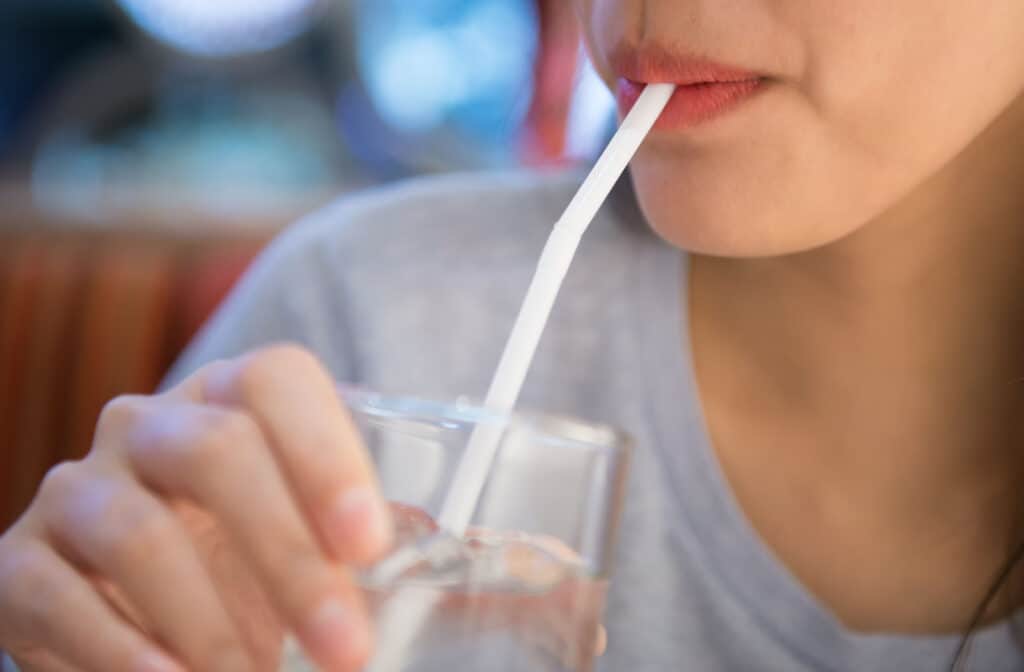
- Do use a straw: If you enjoy flavoured sparkling water, using a straw can help minimise contact between the acidic beverage and your teeth.
- Do rinse with water: After consuming carbonated beverages, rinse your mouth with water to help neutralise acidity and wash away residues.
- Do maintain rigorous oral hygiene: Brush your teeth twice a day with fluoride toothpaste, and do not forget to floss. Scheduled dental check-ups and cleanings are essential.
- Do opt for less acidic options: If you crave a little zing, consider infusing still water with slices of lemon, cucumber, or berries instead. This provides a flavourful experience without the enhanced acidity.
Conversely, be mindful of the following don’ts:
- Don’t sip continuously: Avoid prolonged sipping throughout the day, as this prolongs the acidic environment in your mouth.
- Don’t ignore symptoms: If you experience sensitivity or other dental discomforts, consult your dentist promptly.
- Don’t assume all sparkling waters are created equal: Always read labels to ensure awareness of additives and acidity levels.
In Conclusion
In summary, while plain carbonated water is a less harmful alternative compared to sugary sodas, it is essential to acknowledge the potential risks associated with its consumption. Recognising the difference between types of carbonated beverages empowers consumers to make informed choices that protect their dental health. Through mindful consumption, coupled with strong oral hygiene practices, one can enjoy the fizz of carbonated water without compromising the integrity of their pearly whites.
FAQ
Can carbonated water cause tooth decay?
While it is less harmful than sugary drinks, excessive consumption can still contribute to enamel erosion.
What types of carbonated beverages are safer for teeth?
Plain carbonated water is safer; flavored varieties may contain additional acids that can be more harmful.
Leave a Reply