Short Answer
Trees are not just vital components of our ecosystem, they also embody a certain elegance that enhances the beauty of our landscapes. However, determining whether a tree is dead or merely dormant can present a perplexing challenge for many tree enthusiasts and homeowners alike. Understanding the differences between a dead tree and one that is simply sleeping through the seasons is crucial for maintaining the health of your garden or property. Below are comprehensive tips and indicators to assist in your evaluation.
1. Recognising Seasonal Changes
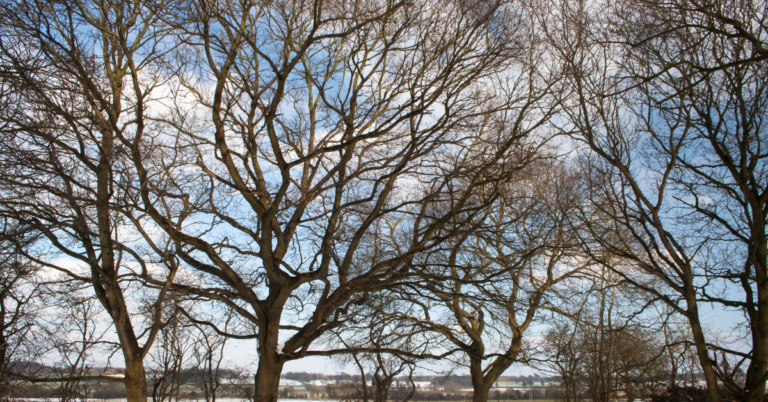
Before delving into the signs of a dead tree, it is essential to understand that many trees naturally go through cycles of dormancy, particularly during winter months. During this time, deciduous trees shed their leaves, diminishing their outward appearance. Conversely, evergreen trees retain their foliage, albeit in a more muted tone. Familiarising yourself with the typical seasonal behaviours of your specific tree species is paramount in distinguishing between dormancy and death.
2. Inspecting the Bark
The bark of a tree serves as its protective outer layer. When assessing a tree’s health, scrutinise the bark for signs of abnormalities. Healthy bark typically appears smooth and intact, whereas dead or dying trees may exhibit cracks, peeling, or visible lesions. In cases where the bark is completely missing, exposing the inner wood (cambium layer), this is a strong indicator that the tree is no longer viable. Gently scratching the bark with a fingernail can also reveal clues: green tissue underneath suggests life, while a brown or grey hue indicates a lack of vitality.
3. Checking for Leaf Growth
One of the most conspicuous indicators of a tree’s health is its foliage. In the spring, a healthy tree will produce vibrant new leaves. If your tree fails to sprout buds or manifests leaves that are shrivelled or discoloured, it could be suffering from more than just a dormant phase. Take note of these changes over a couple of seasons to ascertain patterns and discern whether your tree may be dead.
4. Examining Twigs and Branches
Twigs play a crucial role in a tree’s overall health as they reflect the tree’s ability to sustain life. Conduct a methodical examination by bending small twigs; if they snap easily rather than bending, this signifies that they are dead. Additionally, assess the branches by looking for the presence of leaves, flowers, or fruit, as well as overall flexibility. A lack of growth on branches, coupled with the presence of dead wood or excessive thinning, could be a red flag of a dying tree.
5. Identifying Fungal Growth
Fungi can be a harbinger of decay in trees. If you observe mushrooms or other fungal growth at the base of your tree, it signifies that the internal structure may be compromised. Fungal infections can lead to root rot or other detrimental conditions that often serve as precursors to a tree’s demise. It’s prudent to consult an arborist if you suspect your tree harbours fungi, as this could necessitate targeted intervention.
6. Assessing the Root System
A healthy root system is synonymous with a vigorous tree. To gauge the vitality of a tree, gently remove some soil from around its base to expose the roots. Fresh, white roots are a beacon of life, while roots that are dark, mushy, or hollow may indicate sickness. Additionally, the presence of surface roots that are lifting away from the ground can signify structural instability, often correlating with decline.
7. Noting Environmental Factors
The environment in which a tree resides plays an instrumental role in its health. Factors such as soil quality, moisture content, and exposure to sunlight can significantly affect a tree’s status. If a tree is located in a particularly harsh area—whether it be too shaded or excessively dry—it may enter a state of dormancy prematurely or decline faster than expected. Paying attention to these surrounding conditions will aid in determining if a tree is merely dormant or on the brink of death.
8. Consult Expert Opinion
If after conducting your assessments you still find yourself in doubt, seeking the expertise of an arborist can provide crucial clarity. Professionals possess the knowledge and tools necessary to perform a comprehensive evaluation of your tree, offering insights into its condition and recommendations for care. They can also assist in preserving a tree that might be struggling to overcome adversities rather than succumbing to them.
9. Knowing When to Let Go
In instances where a tree is definitively identified as dead, it is essential to make the decision to remove it to avert potential hazards, including falling branches or disease spread to nearby plants. However, such a decision should not be taken lightly; evaluate the tree’s ecological impact and any potential benefits it provides to wildlife, shade, or aesthetics. Sometimes, even a dead tree can serve a purpose within its environment.
Conclusion
In summary, distinguishing between a dead tree and one in a state of dormancy is pivotal for informed gardening and landscaping practices. By meticulously observing various features—such as bark integrity, twig elasticity, and overall environmental context—you can gain a clearer understanding of your tree’s health. Whether you choose to nurture it back to vitality or make the tough decision to remove it, recognising these signs plays a significant role in the stewardship of our precious green companions.
FAQ
How can I tell if my tree is dead?
Look for signs such as absence of leaves in spring, cracks in the bark, or dead twigs.
What is the difference between a dead tree and a dormant tree?
A dormant tree may appear lifeless during certain seasons but is alive, whereas a dead tree shows no signs of life.



Leave a Reply