Short Answer
Achieving a radiant smile often involves straightening our teeth, which traditionally requires braces. However, numerous safe alternatives exist for those who prefer non-braces methods. This article will explore these options, providing an in-depth understanding of how to straighten teeth without the use of conventional braces.
Firstly, it is paramount to comprehend why individuals might seek alternatives to braces. The aesthetic concerns of wearing metal braces as an adult can be daunting; the discomfort associated with adjustments can be disconcerting. Furthermore, the duration of treatment often lasts several months to years. Hence, the allure of simpler, less conspicuous methods is understandable. In addition, these alternatives can sometimes be a more palatable choice for younger patients.
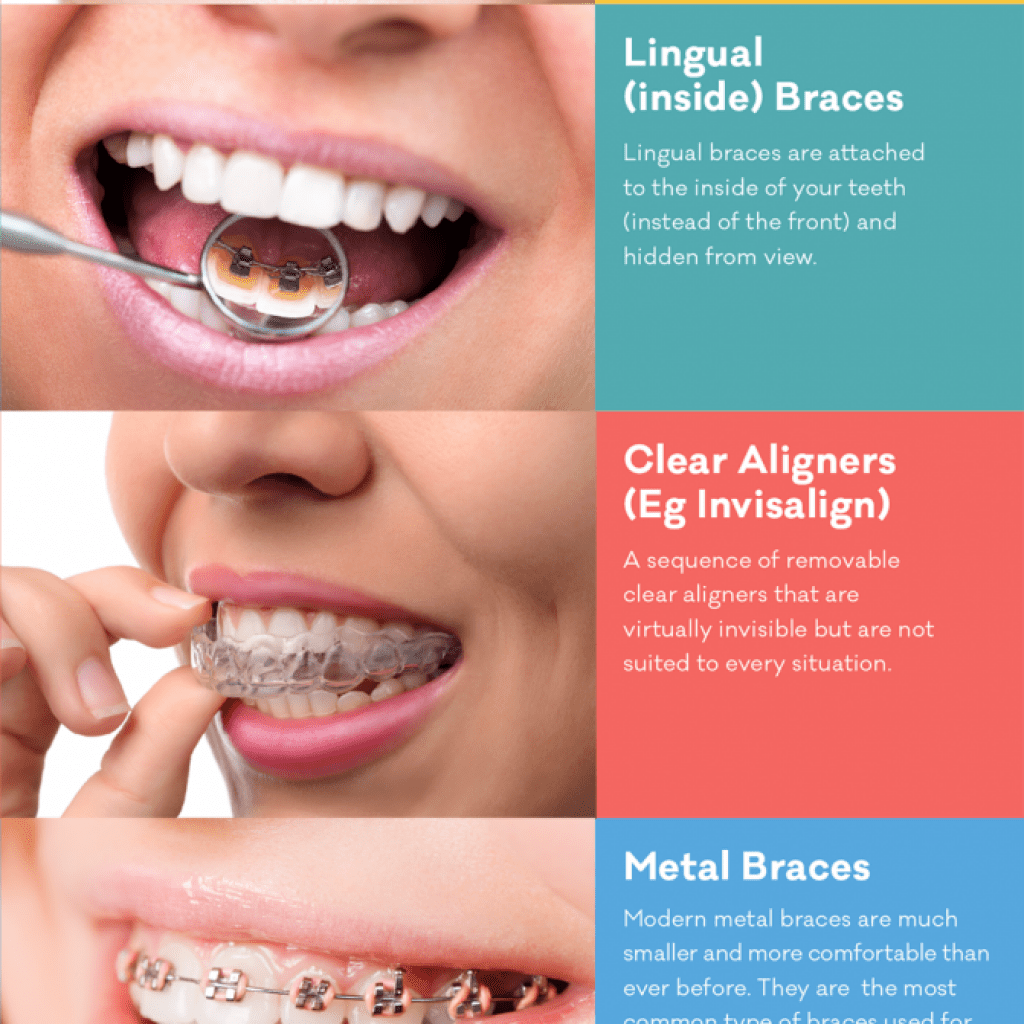
One of the leading alternatives is clear aligners. These trays are custom-made from clear plastic to fit snugly over your teeth. Renowned brands, such as Invisalign, utilise advanced 3D imaging technology to create a series of aligners that incrementally shift your teeth into the desired position. The aligners must be worn for 20 to 22 hours a day, though they can be removed during meals and while cleaning teeth. The efficacy of clear aligners is often comparable to traditional braces for mild to moderate misalignment issues, making them a popular choice for many.
Next, we delve into the world of retainers. While generally used post-braces to maintain tooth position, some orthodontists offer retainers as an initial method for alignment. Specifically, a type known as a Hawley retainer, which is comprised of a solid piece of acrylic with metal wire, can gently apply pressure to align teeth gradually. This method is suitable for subtle adjustments but may not be practical for cases involving significant misalignment.
In less conventional methods, we have palatal expanders. Often used in younger patients whose jaws are still developing, these devices can create more space in the mouth. By gradually widening the upper jaw, they can correct issues related to teeth crowding. An orthodontist will carefully design a plan to ensure that the expansion occurs gradually and safely. It is essential to consult with a dental professional to discern if this method is appropriate for your unique dental structure.
Moreover, there is growing interest in the use of myofunctional therapy. This technique focuses on correcting oral and facial muscle function to enhance alignment. Myofunctional therapists guide patients through a series of exercises aimed at promoting proper tongue posture and lip sealing. Over time, these exercises contribute to subtle positional changes in the teeth. A commitment to regular practice is necessary for this method to be effective; thus, consistency is critical.
An approach that is gaining traction is coating systems, such as dental bonding or veneers. For individuals looking to conceal misalignment rather than alter the teeth’s structure, these cosmetic options offer immediate visual improvements. Dental bonding involves applying tooth-coloured resin to reshape or enhance the appearance of teeth, while veneers are thin shells of porcelain applied to the front of teeth for a flawless façade. While they do not correct alignment per se, they mask imperfections effectively.
It’s also important to consider orthodontic appliances. Devices like space maintainers, used primarily in paediatric dentistry, can gently move teeth into correct alignment. These appliances hold space in the jaws for permanent teeth to arrive and can sometimes promote movement in existing teeth. They are particularly beneficial in preventing future orthodontic issues.
For those inclined towards DIY methods, there are numerous at-home aligner kits available on the market. Generally constructed from moulds taken of your teeth, these kits promise gradual realignment through a system of trays. However, caution is advised. The potential for misalignment or complications can be heightened without professional guidance. Proceeding with at-home kits without professional oversight may lead to disastrous results.
Moreover, innovations in dental technology have introduced laser therapy as a supplementary option. Laser treatments can assist in reshaping the gums and teeth to enhance the overall alignment and aesthetics of your smile. Though primarily cosmetic, patients have reported improved comfort and a more harmonious balance in their smiles following laser therapy, which can complement other methods.
It is worth mentioning that while exploring these alternatives can be enticing, eligibility for different methods largely depends on the degree of misalignment and individual dental health. Consulting with an orthodontist is crucial before embarking on any journey to straighten teeth. This ensures that the chosen method aligns with your personal goals and the structural realities of your oral health.
In conclusion, while braces have long been the gold standard for teeth straightening, a plethora of alternatives exist to cater to diverse preferences and lifestyles. From clear aligners and retainers to more innovative techniques like myofunctional therapy and laser treatments, the landscape of orthodontics is continually evolving. Each method offers unique benefits and limitations, making professional consultation indispensable in determining the path that best suits your needs. A radiant, aligned smile is within reach, even without traditional braces.
FAQ
What are clear aligners?
Clear aligners are custom-made, transparent trays designed to gradually shift teeth into the desired position, serving as a popular alternative to traditional braces.
Are there any DIY methods for straightening teeth?
While there are at-home aligner kits available, they should be approached with caution as professional oversight is essential to avoid complications.
What is myofunctional therapy?
Myofunctional therapy involves a series of exercises to correct oral and facial muscle function, which can help in achieving better alignment of teeth.


Leave a Reply