Short Answer
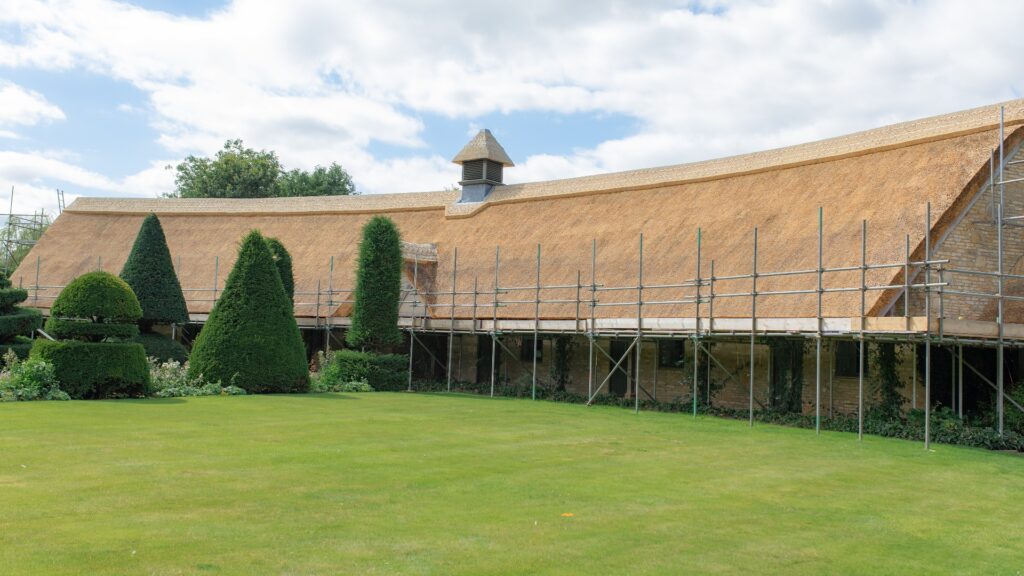
Thatching, a traditional and time-honoured roofing technique, utilises natural materials such as straw, water reed, or sedge. This craft not only imparts a rustic aesthetic but also provides excellent insulation and weather resistance. In the heart of the UK, where thatched roofs dot the countryside, many homeowners consider this picturesque roofing style. However, the question looms large: how much does it cost to thatch a roof? This guide delves into the financial aspects of thatching, enabling you to make an informed decision.
Understanding Thatching Materials
Before delving into the costs, it is essential to comprehend the varying materials utilised in thatching. The choice of material affects both the visual appeal of the roof and its price. Here are the primary types of thatching materials:
- Water Reed: Known for its longevity, water reed can last anywhere from 30 to 50 years. Its natural waterproof qualities make it popular, albeit at a higher price point.
- Straw: Commonly wheat or rye straw, this is a less durable option, typically requiring replacement every 10 to 15 years. While it is more economical, the aesthetic may vary significantly based on quality.
- Sedge: Less common than water reed and straw, sedge offers an alternative option. While its lifespan is somewhat comparable to that of straw, its distinct texture presents unique opportunities for thatching.
Cost Breakdown of Thatching
The cost to thatch a roof depends on numerous factors, including material choice, the size and pitch of the roof, and the region of installation. On average, expect the following costs:
- Per Square Metre Prices: Pricing for thatching often ranges between £80 to £120 per square metre. Water reed, being pricier, can approach the upper end of this range, while straw thatching may hover at the lower end.
- Labour Costs: Skilled thatchers are essential for crafting a roof that not only looks splendid but functions effectively. Labour costs can vary but generally range from £200 to £400 per day, depending on expertise and location.
- Overall Roof Size: The overall size of the roof drastically influences the overall cost. A standard cottage roof (approximately 50 square metres) would cost between £4,000 to £6,000, while a larger structure could push costs upwards, leading to a total of £10,000 or more.
Additional Considerations
Beyond the basic costs, several factors can influence your thatching investment:
- Roof Pitch: Steeper roofs increase the complexity and labour costs associated with thatching. A high-pitched roof may require extra scaffolding, thus impacting the overall pricing.
- Condition of Existing Roof: If your current roof requires repairs or remedial work, such as the replacement of supporting timbers, these additional costs must be accounted for before new thatching can be applied.
- Accessibility: If the property is difficult to access, costs can escalate. Higher scaffolding and longer transport times may be necessary for tight or rural locations.
Potential Long-term Financial Implications
While the initial investment in thatching may appear steep, the long-term financial implications can result in savings. The natural insulative properties of a thatched roof can reduce heating costs significantly. Moreover, due to its aesthetic allure, thatched roofs can substantially increase the property’s market value. However, maintenance must also be factored into the long-term budget. Regular care, which may involve periodic re-thatching or repair, ensures the longevity of the roof, keeping future costs manageable.
Maintenance Costs
To safeguard your investment, understanding maintenance costs is crucial. Annually, homeowners should anticipate costs ranging from £300 to £700 for upkeep, which can include:
- Inspection: Regular inspections by a professional thatcher for wear and tear.
- Repairs: Addressing small leaks or damage before they escalate into larger issues.
- Re-thatching: Depending on the material chosen, re-thatching may be required every 10 to 50 years, which will command significant costs.
Conclusion: Investing Wisely in Thatching
In conclusion, the costs associated with thatching a roof can vary widely based on material selection, roof condition, and other consequential factors. The initial outlay can seem daunting, yet the combined benefits of aesthetic appeal, energy efficiency, and potential property value appreciation make it a worthwhile consideration. The key is to ensure thorough planning and budgeting, allowing the beauty of a thatched roof to flourish while providing the essential protection a home deserves.
FAQ
What is the average lifespan of different thatching materials?
Water reed can last 30 to 50 years, straw typically lasts 10 to 15 years, and sedge has a lifespan comparable to straw.
How much does labour cost for thatching a roof?
Labour costs generally range from £200 to £400 per day depending on expertise and location.
What factors affect the overall cost of thatching a roof?
Material choice, roof size and pitch, roof condition, accessibility, and regional labour rates all influence the cost.
Are there long-term savings with a thatched roof?
Yes, due to the natural insulation properties, heating costs can be reduced and the property’s market value may increase.
What are typical maintenance costs for a thatched roof?
Annual maintenance costs range from £300 to £700, covering inspections, minor repairs, and eventual re-thatching.

Leave a Reply