Short Answer
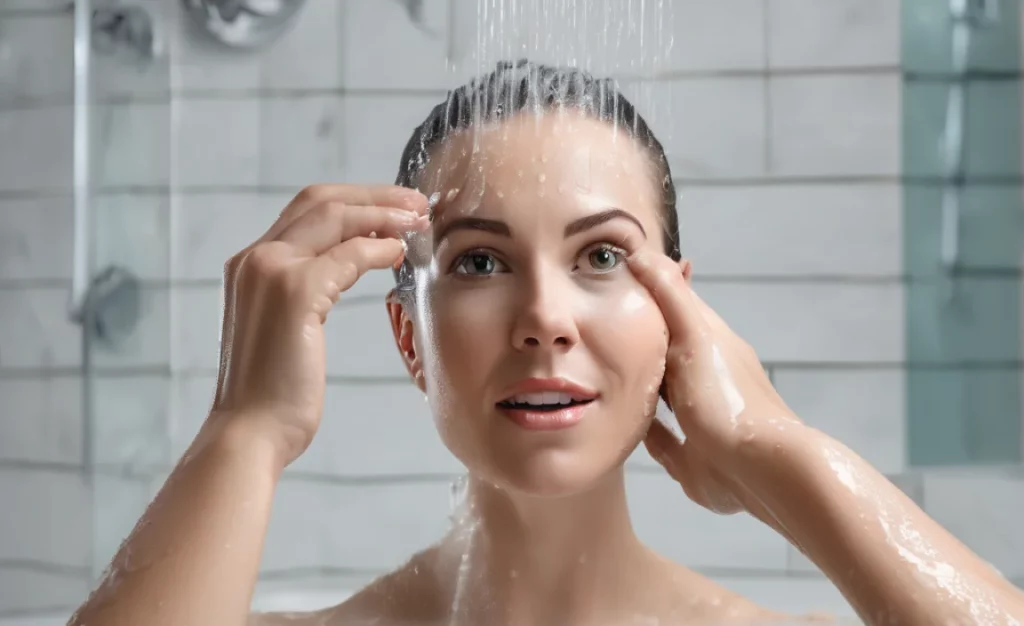
Silicone sealants are an indispensable component in a multitude of construction and home improvement projects. Whether it’s for sealing gaps around baths, sinks, or windows, understanding how long to leave silicone before showering is crucial for achieving a durable seal. The curing process is vital, yet many may overlook its significance, leading to unsatisfactory results. In this article, we will delve into the fascinating world of silicone application and curing, elucidating the factors influencing the waiting time before showering.
Understanding Silicone Sealants
Before we explore the intricacies of curing time, it is essential to grasp what silicone is and why it’s preferred over other sealants. Silicone is a synthetic polymer that offers exceptional flexibility and resistance to moisture, heat, and weathering. Its adaptability makes it ideal for both indoor and outdoor applications. While choosing silicone sealant, it’s imperative to consider variations such as acetoxy, oxime, and neutral cure silicones, each crafted for specific environments. Understanding these differences is vital to ensure optimal performance.
The Importance of Curing
When silicone is applied, it does not set immediately. Instead, it undergoes a chemical reaction with moisture in the air, gradually transforming from a viscous liquid to a robust, elastic solid. This process is known as curing. Curing time is not merely a whim; it is a necessary phase that guarantees the sealant’s efficacy, preventing issues such as leaks and mildew growth. Neglecting to allow adequate curing time can compromise the integrity of your work, leading to frustration and additional costs.
Average Curing Times
So, how long must you wait before showering after applying silicone? The answer is not absolute and varies based on several factors. However, a general guideline is as follows:
- Initial Skinning Time: Most silicone sealants will form a skin within 30 minutes to 1 hour, allowing for light handling or cleaning of excess material.
- Full Cure Time: Silicone usually takes anywhere from 24 hours to 48 hours to fully cure. It is prudent to err on the side of caution and allow the full 48 hours before exposing it to water.
However, remember that these times can vary significantly depending on the product formulation, humidity levels, and temperature. For instance, in dry, warm conditions, silicone can cure more quickly than in cold, humid environments. Always consult the manufacturer’s instructions for the specific product you are using.
Factors Influencing Curing Time
Several factors can affect the silicone curing time, leading to variations in results. Here are the most significant influences:
- Temperature: Higher temperatures accelerate the curing process. Conversely, cooler temperatures slow it down. Ideally, temperatures between 10°C to 30°C (50°F to 86°F) are conducive to optimal curing.
- Humidity: Silicone relies on moisture to cure. Elevated humidity levels can expedite the curing process, while arid conditions can considerably prolong it.
- Air Movement: Enhanced airflow can aid in the dispersion of moisture, potentially reducing curing times. Conversely, enclosed or stagnant areas may impede the process.
Pitfalls of Rushing the Process
It can be tempting to hasten the curing time, particularly in busy households where showering is a regular routine. However, rushing the process can lead to a plethora of unforeseen issues:
- Incomplete Curing: Exposing silicone to water prematurely can hinder its ability to set, resulting in a weak seal that allows moisture penetration.
- Mould Growth: If silicone does not cure adequately, it becomes susceptible to mould and mildew, particularly in damp environments, leading to health concerns and unsightly stains.
- Cost Inefficiency: Rushing may result in the need for reapplication, ultimately costing more time and money than patiently allowing for proper curing.
Best Practices for Silicone Application
To mitigate the risks associated with improper curing, adhering to best practices during application is paramount:
- Preparation: Ensure the surface is clean, dry, and free of old sealant. Use rubbing alcohol for cleaning if necessary, and allow the area to dry thoroughly.
- Application: Apply the silicone evenly, using a caulking gun for precision. Aim for a continuous bead to prevent gaps.
- Finishing Touches: Use a wet finger to smooth the sealant and remove excess silicone before it skins over. This will enhance adhesion and aesthetics.
Conclusion
Understanding the nuances of how long to leave silicone before showering is pivotal in maximising the performance of this versatile sealant. By respecting-curing times and considering environmental factors, you can ensure a strong, water-resistant barrier that stands the test of time. Patience pays off—allow your silicone ample time to cure, and you will reap the benefits of durability and functionality in your home. Engage with your chosen silicone sealant and observe the transformation it undergoes—a beautiful blend of chemistry and practicality that fortifies your living space.
FAQ
What is silicone sealant?
Silicone sealant is a synthetic polymer used for sealing gaps in construction and home improvement projects due to its flexibility and moisture resistance.
How long should I wait before showering after applying silicone?
It is generally recommended to wait 24 to 48 hours for silicone to fully cure before exposing it to water.
What factors can affect silicone curing time?
Factors include temperature, humidity, and air movement, which can speed up or slow down the curing process.
FAQ
What is silicone sealant?
Silicone sealant is a synthetic polymer used for sealing gaps in construction and home improvement projects due to its flexibility and moisture resistance.
How long should I wait before showering after applying silicone?
It is generally recommended to wait 24 to 48 hours for silicone to fully cure before exposing it to water.
What factors can affect silicone curing time?
Factors include temperature, humidity, and air movement, which can speed up or slow down the curing process.
FAQ
What is silicone sealant?
Silicone sealant is a synthetic polymer used for sealing gaps in construction and home improvement projects due to its flexibility and moisture resistance.
How long should I wait before showering after applying silicone?
It is generally recommended to wait 24 to 48 hours for silicone to fully cure before exposing it to water.
What factors can affect silicone curing time?
Factors include temperature, humidity, and air movement, which can speed up or slow down the curing process.

Leave a Reply