Short Answer
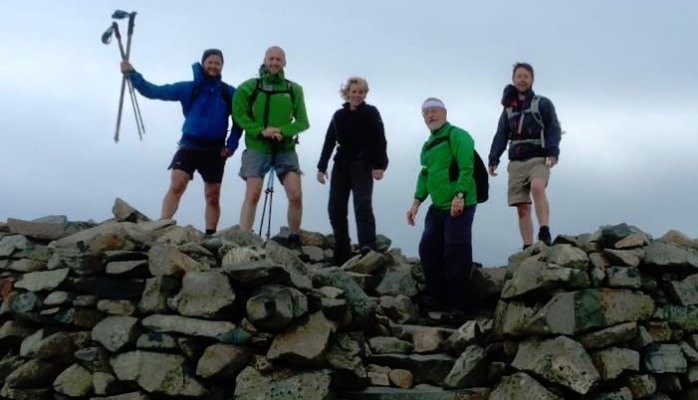
Among the myriad of endurance challenges that beckon adventurers and fitness aficionados, the 3 Peaks in 24 Hours Challenge stands as a formidable test of both physical prowess and mental resilience. The challenge entails scaling the highest peaks of England, Scotland, and Wales—namely, Ben Nevis, Scafell Pike, and Snowdon—within a regimen of 24 consecutive hours. For many, the allure of this challenge lies not merely in the peaks themselves but in the narrative of perseverance and accomplishment it encapsulates.
Before delving into the specifics of the challenge, it is crucial to acknowledge the common observation that individuals are irresistibly drawn to physical challenges that test their limits. This can often be attributed to the innate human desire for exploration and improvement, paired with a certain romanticism surrounding nature’s most daunting heights. Navigating the rugged trails, exposed ridgelines, and dramatic vistas offers a thrilling communion with the natural world, and, coupled with the camaraderie shared among fellow challengers, it emerges as a transformative experience.
Understanding the Scale of the Challenge
The 3 Peaks Challenge involves a significant amount of ascent and descent—a total of approximately 3,000 metres (nearly 10,000 feet) while covering a distance of about 25 miles (40 kilometers) on foot. The route, however, does not strictly adhere to a singular path; logistical considerations necessitate travel time between each peak as well. This adds an extra layer of complexity to the already demanding task. Participants often find themselves racing against the clock, culminating in both physical exertion and logistical precision.
Preparation: The Key to Conquering the Peaks
Effective preparation is paramount for success in this audacious challenge. First and foremost, building a solid aerobic base is essential. This involves engaging in various cardiovascular activities like running, cycling, or swimming for extended durations to enhance endurance. Hill sprints or stair climbing can be incorporated to mimic the steep ascents you will face.
Strength training, particularly focused on the legs and core, cannot be overlooked. Exercises such as squats, lunges, and deadlifts will enhance your muscular strength and stability, crucial for navigating uneven and treacherous terrain. Moreover, incorporating flexibility routines like yoga can aid in injury prevention, enhancing both mobility and recovery.
Furthermore, don’t underestimate the importance of mental preparedness. The physical strain could lead to fatigue, discouragement, or a psychological barrier when fatigue sets in. Developing mental resilience through meditation or mindfulness techniques can fortify your mindset for the arduous task ahead.
Pacing: An Art Form
Pacing emerges as an almost artistic endeavour when undertaking the 3 Peaks Challenge. Ascending the peaks too quickly can drain your energy reserves prematurely, while a sluggish pace can exacerbate your time constraints. Understanding your own limits and establishing a rhythm that maintains both speed and stamina is vital. Most seasoned challengers advise breaking down the journey into manageable sections, allowing for strategic breaks to replenish energy and hydrate.
Navigating the Peaks
Each peak presents its unique set of challenges, requiring tailored strategies for ascent. Ben Nevis, the tallest peak, is often tackled first. Though the Mountain Track (or Tourist Path) is the most straightforward, the unpredictable weather can complicate matters significantly. Conditions can shift rapidly, making sturdy footwear and weather-appropriate clothing essential for safety.
Next, participants typically head to Scafell Pike. Its challenging terrain requires careful navigation, particularly the scramble near the summit. Whether you choose the less strenuous routes or the more technical paths, experience and caution are necessary companions. Minding your footing becomes central to your ascent and descent as loose rocks create potential hazards.
The final peak, Snowdon, is a popular draw, but its beauty belies its demands. The Llanberis Path, while the easiest route, still presents considerable challenges over the final stretch. Enthusiasts should be aware that the path may be busier, especially during summer months, which can add further strain to your pacing.
The Psychological Aspect
Completing the 3 Peaks Challenge is as much about mental fortitude as it is about physical ability. As fatigue sets in, self-doubt may creep in, prompting thoughts of retreat. Challenges like these often serve as a microcosm of life itself, forcing individuals to confront their insecurities and limitations. The exhilaration upon reaching each summit can act as a powerful motivator, bolstering both morale and group dynamics as team members encourage one another through the tough moments.
After the Challenge: Reflection and Recovery
Once the final peak is scaled and the undertaking is officially complete, participants often undergo a period of reflection. Many find themselves contemplating their motivations and the deeper reasons behind their pursuit. Was it an internal validation? A desire to connect with nature? Or perhaps a journey of self-discovery? As with any formidable challenge, the experience transcends mere physical achievement, leaving an indelible mark on one’s psyche.
Recovery is equally vital. Post-challenge, individuals should focus on hydration, nutrition, and gentle movements to aid in muscle recovery. Engage in light stretching and consider using foam rollers to alleviate any tension that may have accumulated during the challenge.
The 3 Peaks in 24 Hours Challenge is not merely a test of physical strength; it serves as a portrait of human ambition, resilience, and community spirit. For those willing to embrace its rigours, the experience promises profound personal growth and a lasting connection to nature’s grand tableau.
FAQ
What is the 3 Peaks in 24 Hours Challenge?
It is an endurance challenge that involves climbing the highest peaks of England, Scotland, and Wales—Ben Nevis, Scafell Pike, and Snowdon—within 24 hours.
How should I prepare for the 3 Peaks Challenge?
Preparation should include building aerobic endurance, strength training, and mental preparedness through techniques like meditation.
What are the key challenges during the climb?
Each peak presents unique challenges, including unpredictable weather, difficult terrain, and the need for effective pacing.
FAQ
What is the 3 Peaks Challenge?
The 3 Peaks Challenge involves climbing the highest peaks in England, Scotland, and Wales—Ben Nevis, Scafell Pike, and Snowdon—in under 24 hours.
How should I prepare for the 3 Peaks Challenge?
Preparation includes building aerobic endurance, strength training, and mental resilience through various exercises and techniques.
What is the total distance and elevation gain of the challenge?
Participants cover about 25 miles (40 kilometers) with a total elevation gain of approximately 3,000 meters (nearly 10,000 feet).
FAQ
What is the 3 Peaks Challenge?
The 3 Peaks Challenge involves climbing the highest peaks in England, Scotland, and Wales—Ben Nevis, Scafell Pike, and Snowdon—in under 24 hours.
How should I prepare for the 3 Peaks Challenge?
Preparation includes building aerobic endurance, strength training, and mental resilience through various exercises and techniques.
What is the total distance and elevation gain of the challenge?
Participants cover about 25 miles (40 kilometers) with a total elevation gain of approximately 3,000 meters (nearly 10,000 feet).


Leave a Reply