Short Answer
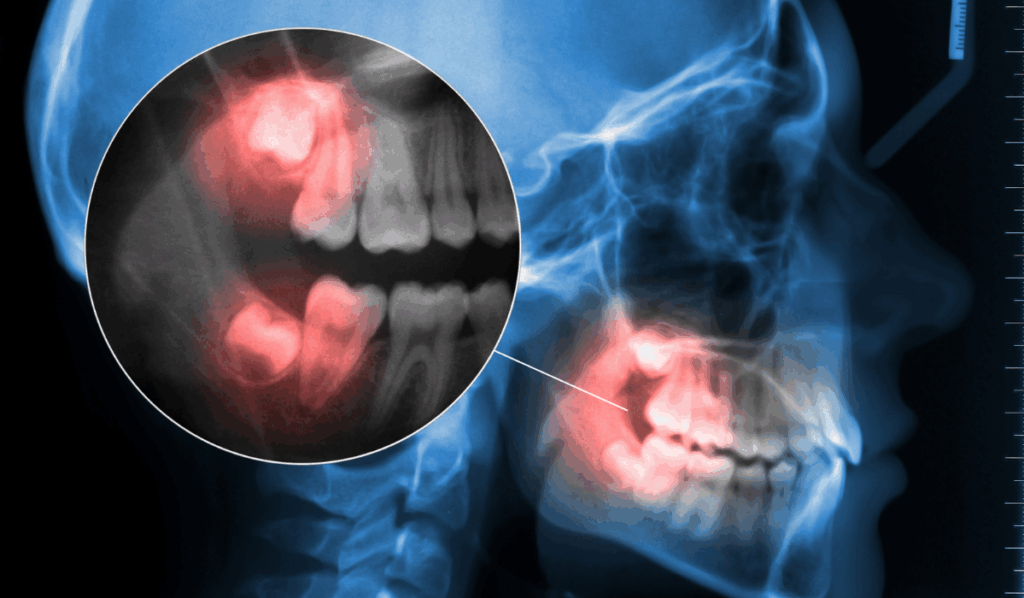
Teeth extractions are a common dental procedure, yet the aftermath can often leave patients bewildered and anxious. Among the myriad of sensations experienced post-extraction, headaches can emerge as a particularly perplexing accompaniment. Are they an expected part of the healing process, or do they signal something more sinister? This article delves into the conundrum of post-extraction headaches, offering enlightening perspectives and essential insights that can shift your understanding of recovery.
The Immediate Aftermath: What to Expect
Following a tooth extraction, the body initiates a complex healing process, characterised by inflammation and increased blood flow to the affected area. Most patients anticipate some swelling and discomfort, but headaches? This unexpected symptom can provoke concern. It is crucial to distinguish between the ordinary and the alarming. Headaches in the early days post-extraction can be entirely normal, often driven by tension, anxiety, or even the effects of anaesthesia. Understanding the typical trajectory of pain is foundational to recognising when something may be awry.
Decoding the Pain: Types of Headaches Post-Extraction
Headaches can manifest in various forms, each with distinctive characteristics and potential causes. Exploring these types can empower patients to take charge of their recovery.
- Tension Headaches: Often described as a dull, aching sensation, tension headaches are frequently precipitated by stress or dental anxiety. Following an extraction, patients may subconsciously clench their jaws, leading to muscle tension that radiates pain to the head.
- Sinus Headaches: For those whose extractions involve upper teeth, sinus cavities may become inflamed post-procedure, leading to sinus headaches. The proximity of these teeth to the sinuses means any manipulation carries the potential for inflammation.
- Referral Pain: Occasionally, pain may radiate from the extraction site, manifesting in the form of headaches. The interconnectedness of cranial nerves means irritation at one site can lamentably echo discomfort elsewhere.
Identifying the type of headache you are experiencing can provide critical clues towards understanding its origin and how best to mitigate it.
Assessing the Severity: When to Seek Help
The majority of headaches that emerge after a tooth extraction will be mild and transient. However, certain red flags should prompt a visit to your dentist or healthcare provider. Persistent or worsening headaches, particularly those accompanied by other symptoms like fever, vomiting, excessive bleeding, or swelling that does not subside, may indicate complications such as dry socket or infection.
Dry socket, or alveolar osteitis, is a painful condition that occurs when the blood clot at the extraction site dislodges or fails to form properly, exposing the bone and nerves underneath. The intense pain often radiates to the head and neck, making it imperative to address these symptoms promptly to prevent prolonged discomfort and further complications.
Managing Discomfort: Practical Tips
For the majority of cases where headaches are mild and manageable, there are several strategies that can alleviate discomfort:
- Hydration: Adequate hydration plays a pivotal role in recovery, helping to mitigate headaches and support overall healing. Consider drinking water or herbal teas, avoiding caffeine and alcohol, which can contribute to dehydration.
- Rest: Much like any healing process, adequate rest is essential. Prioritise sleep and relaxation, allowing your body the necessary time to recuperate.
- Cold Compress: Applying a cold compress gently to the forehead can reduce inflammation and provide relief from headache symptoms.
- Pain Relief: Over-the-counter pain relief medications such as ibuprofen or paracetamol can be effective in managing post-extraction headaches. Always adhere to guidelines provided by your healthcare professional.
The Connection between Emotions and Physical Pain
Intriguingly, emotional states can have profound impacts on physical sensations. The anxiety surrounding dental procedures can often be the very catalyst for headaches. Engaging in mindfulness techniques or gentle breathing exercises may not only ease emotional discomfort but could curtail the tension-induced headaches that often follow such procedures.
Long-Term Perspective: A Holistic Approach to Recovery
As the body heals from the extraction, being mindful of the overall health of your mouth—such as maintaining good oral hygiene and attending follow-up appointments—is crucial in the journey back to wellness. Consider adopting a holistic approach to recovery, which encompasses diet, hydration, and emotional health, promoting not only recovery of the extraction site but fostering a more resilient and healthy future.
Conclusion: Navigating the Healing Journey
In conclusion, while headaches following a tooth extraction can indeed be a normal part of the healing process, they warrant careful observation. By understanding the nature of the headaches, recognising when they signal a potential issue, and employing practical management strategies, patients can navigate their recovery with confidence. The key lies in cultivating awareness—both of the body and its responses—allowing for a serene and informed healing journey ahead. Embrace this period of recovery as an opportunity to reflect not only on your dental health but also on your general well-being, paving the way for a healthier future.
FAQ
Is it normal to have headaches after a tooth extraction?
Yes, headaches can be a normal part of the healing process following a tooth extraction, often related to tension or anxiety.
When should I seek help for headaches after an extraction?
You should seek help if headaches persist, worsen, or are accompanied by symptoms like fever or excessive bleeding.
What types of headaches can occur after tooth extractions?
Common types include tension headaches, sinus headaches, and referral pain from the extraction site.
FAQ
Are headaches common after tooth extractions?
Yes, headaches can occur after tooth extractions and are often linked to tension, anxiety, or the effects of anesthesia.
When should I seek help for headaches after an extraction?
If headaches persist or worsen, especially with other symptoms like fever or excessive bleeding, you should consult a healthcare provider.
FAQ
Are headaches after a tooth extraction normal?
Yes, headaches can be a normal part of the healing process after a tooth extraction, often caused by tension, anxiety, or effects from anesthesia.
When should I seek help for headaches after tooth extraction?
Seek help if headaches are persistent, worsening, or accompanied by symptoms like fever, vomiting, or excessive swelling.
FAQ
Are headaches after a tooth extraction normal?
Yes, headaches can be a normal part of the healing process after a tooth extraction, often caused by tension, anxiety, or effects from anesthesia.
When should I seek help for headaches after tooth extraction?
Seek help if headaches are persistent, worsening, or accompanied by symptoms like fever, vomiting, or excessive swelling.
FAQ
Are headaches after a tooth extraction normal?
Yes, headaches can be a normal part of the healing process after a tooth extraction, often caused by tension, anxiety, or effects from anesthesia.
When should I seek help for headaches after tooth extraction?
Seek help if headaches are persistent, worsening, or accompanied by symptoms like fever, vomiting, or excessive swelling.
FAQ
Is it normal to have headaches after a tooth extraction?
Yes, headaches can be a normal part of the healing process after a tooth extraction, often due to tension or anxiety.
When should I seek help for post-extraction headaches?
You should seek help if headaches persist or worsen, especially if accompanied by symptoms like fever or excessive swelling.



Leave a Reply