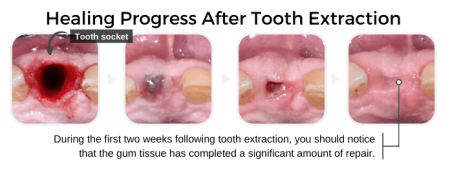
Short Answer
Undergoing a molar extraction can be a daunting experience for many individuals. While the prospect of relief from dental pain often outweighs the apprehension, it is not uncommon to encounter unexpected symptoms post-operation. Among these, headaches can become a cause for concern, leaving patients wondering whether they are a normal part of the healing process or a signal to consult their dentist. In this article, we will explore the nuances of headaches following molar extraction, offering you insights that could shift your perspective on post-operative recovery and piquing your curiosity about what your body may be telling you.
Understanding the Impacts of Molar Extraction
Molar extraction involves the surgical removal of a tooth, typically due to decay, overcrowding, or periodontal disease. The procedure itself is relatively straightforward, yet the aftermath can lead to various complications and symptoms. As the body begins to heal, inflammation can set in, potentially leading to discomfort such as headaches. Importantly, understanding the type of pain you are experiencing can be crucial in determining whether a headache following extraction is typical or warrants further investigation.
Normal Post-Operative Symptoms
After a molar extraction, it’s completely natural to experience a range of symptoms as the body adjusts to the absence of the tooth. Tenderness, swelling, and general discomfort are common, but headaches can also occur. These headaches may stem from several factors:
- Medications: Pain relief medications, particularly narcotics, can cause headaches as a side effect. This discomfort might be your body’s response to the medication rather than an indication of a dental issue.
- Dehydration: During the recovery process, patients may forget to maintain their fluid intake, leading to dehydration—which is a well-known trigger for headaches.
- Stress and Anxiety: The emotional toll of dental procedures can contribute to tension headaches. The physical stress of the extraction can lead to muscle tightness in the jaw and neck areas, which may manifest as headaches.
These symptoms can often be alleviated with proper post-operative care, including hydration, rest, and the use of over-the-counter pain relief as directed by your dentist. Recognising these as common responses may provide reassurance during your recovery journey.
Identifying Concerning Symptoms
While many headaches post-extraction are benign, certain characteristics can indicate a more serious underlying issue. It is crucial to develop an awareness of these potential red flags:
- Severity and Persistence: If the headache escalates in intensity or persists for several days without any sign of improvement, it may be wise to consult your dentist. Headaches that worsen could signal complications such as infection or dry socket.
- Location of Pain: Headaches centred around the forehead, temples, or behind the eyes can sometimes indicate tension. However, pain radiating from the extraction site could suggest other issues needing professional attention.
- Accompanying Symptoms: If you experience additional symptoms like fever, swelling that doesn’t subside, or a foul odour from the extraction site, seeking dental advice is imperative. These could suggest an infection necessitating prompt treatment.
Monitoring these symptoms can empower you in your recovery, ensuring that you remain in tune with your body’s signals while allowing you to take appropriate action when necessary.
Dry Socket: A Closer Look
One of the more painful complications following a tooth extraction is a condition known as dry socket (alveolar osteitis). This occurs when the blood clot that forms in the extraction site either dislodges or dissolves, exposing the underlying bone and nerves to air and irritants. One of the hallmark symptoms of dry socket is a debilitating headache that may radiate from the jaw to other areas of the head. It’s critical for patients to be aware of this condition, as timely intervention can significantly ease discomfort.
If your headache is accompanied by an intensely painful sensation a few days post-extraction, it might be prudent to contact your dentist for evaluation. Treatment for dry socket typically involves cleaning the area and placing a medicated dressing, which can alleviate pain and promote healing.
When to Seek Professional Help
Deciding when to call your dentist can be complicated. Understandably, some individuals may hesitate, fearing that their discomfort is merely part of the healing process. However, here are some guidelines to help you determine when to seek assistance:
- Persistent Pain: If your headache continues unabated or worsens, this could indicate a problem.
- New Developments: Should you notice new symptoms such as swelling or increased sensitivity, do not hesitate to reach out.
- Duration of Symptoms: Symptoms that persist longer than what your dentist advised at your post-operative check-up should prompt a call.
Conclusion
Headaches following molar extraction, while common, can sometimes indicate a more serious complication. Understanding the differences between normal post-operative discomfort and concerning symptoms can equip you with the knowledge necessary for effective self-care during your recovery. Should new or unexpected symptoms arise, taking proactive steps to contact your dentist can lead to timely intervention and a smoother healing process. Remember, your well-being is paramount; listening to your body is crucial in navigating your journey toward recovery.
FAQ
Is it normal to have headaches after a molar extraction?
Yes, it is common to experience headaches after a molar extraction due to factors like medication, dehydration, or stress.
When should I call my dentist after a molar extraction?
Contact your dentist if your headache persists or worsens, or if you notice additional concerning symptoms.


Leave a Reply