Short Answer
In a world dominated by digital communication, the allure of a handmade thank you card holds a certain vintage charm. The tactile experience of cardstock, the artistry of unique designs, and the warmth of personalised messages can transform a simple note of gratitude into a cherished keepsake. If you’ve ever wondered how to elevate your thank you cards from mundane to memorable, this guide offers a wealth of creative design ideas and DIY tips that promise to invigorate your gifting approach.
Firstly, consider the fundamentals of card-making. The base of your card should serve not only as a canvas but also as a statement. Opt for thick, textured cardstock in an array of colours that evoke the emotions you wish to convey. Neutral tones such as cream or soft pastels provide an elegant backdrop, while bold hues can inject vitality into your design. Experimenting with various paper weights and finishes—such as matte, gloss, or even metallic—will also enhance the sensory appeal of your card.
One of the most fundamental design elements in card-making is the shape. Traditional rectangular cards are timeless, but divergent shapes can add an element of surprise. Consider crafting circular or square cards. A heart-shaped card could be particularly poignant for expressing affection, while a tag-style card can create a sense of intimacy. Using die-cutting tools or scissors, the possibilities are as vast as your imagination allows.
Now, let us delve into the enchanting world of embellishments. This is where your creativity can truly flourish. Ribbons, buttons, sequins, and dried flowers can transform a simple card into an eye-catching work of art. For a rustic feel, try integrating twine or burlap; for a more modern aesthetic, metallic accents or geometric shapes will suffice. The interplay of textures not only enhances the visual interest but also creates a multi-layered experience for the recipient.
Another fascinating technique lies in the art of paper layering. By using multiple sheets of paper, you can introduce contrast through colour and texture. Start with a base card, then layer smaller pieces of decorative paper on top. Consider experimenting with patterns such as florals, stripes, or polka dots. This addition of visual depth can create cards that have an undeniable three-dimensional quality, resulting in something quite extraordinary.
Typography plays a crucial role in the overall aesthetic of your card. Hand-lettering or calligraphy adds an organic touch and can convey emotion in a way that printed text simply cannot. Consider using a mix of fonts; perhaps a bold typeface for the headline, paired with delicate cursive for the message. For those who may not feel adept at handwriting, carefully selected stamps can yield stunning results with minimal effort. Don’t shy away from innovative placements of text—curved lines or diagonal alignments can invigorate the standard layout.
Illustrations add character and can be tailored to resonate with the recipient. If you possess artistic talents, consider creating your own drawings—perhaps a meaningful landscape, a personal symbol, or an abstract piece that evokes the intended sentiment. Alternatively, utilise stencils for intricate designs or cut-outs. Incorporating illustrations not only personalises the card but also makes it a piece of art in its own right.
Furthermore, don’t forget about the importance of protective elements. A well-designed card can lose its charm if not properly curated. Use envelopes that complement your design, and consider adding protective coatings such as clear embossing powder to give your card an elegant sheen while safeguarding the artistry from smudging. For a touch of sophistication, wax seals can also be integrated, harkening back to a more romantic period in correspondence.
The sentiment encapsulated within the card is paramount. Thoughtful messages can transform your card into a conduit of heartfelt gratitude. Instead of generic phrases, aim for specificity. For instance, write about a specific moment or action that you appreciated about the recipient. Remind them of their impact on your life. Incorporating humour, if appropriate, can also add a personal flair and make the recipient smile.
Considering the occasion is essential when crafting your thank you cards. Is it for a wedding gift, a heartfelt gesture of support, or a simple act of kindness? You may want to tailor designs accordingly. Floral motifs can be particularly effective for weddings, while a minimalist approach could suit a professional thank-you note. Customisation based on the context ensures your cards remain relevant and meaningful.
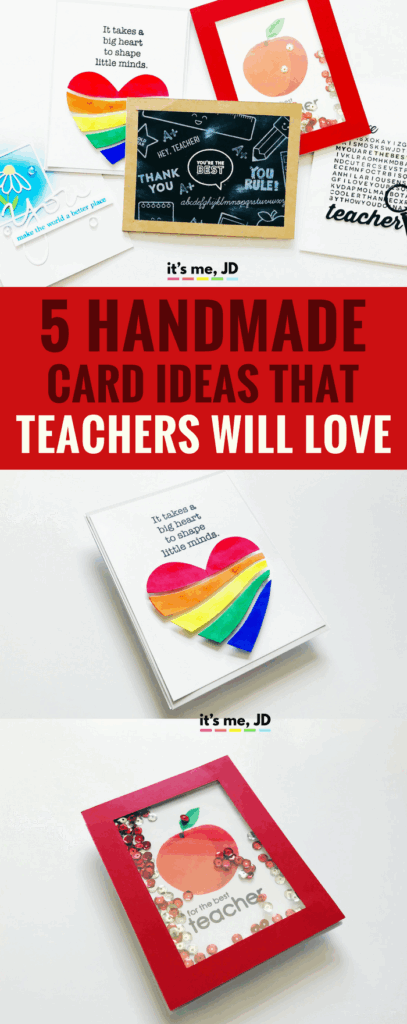
Teachers, mentors, friends, and family—they all deserve appreciation. For educators, a card adorned with books, apples, or motivating quotes can embody gratitude for their hard work and dedication. For family members, consider integrating family photos or shared memories to create a sense of nostalgia.
Finally, remember the delivery method can add an extra dimension to your handmade thank you card. Presenting it in person or perhaps attaching it to a gift can make the experience richer. Alternatively, a simple mailbox drop can still convey thoughtful goodwill. The important thing is not how you deliver the card, but the sincerity of the gratitude it expresses.
In conclusion, the act of creating handmade thank you cards transcends mere obligation; it’s an opportunity for creative expression, emotional connection, and genuine appreciation. By incorporating thoughtful designs and personalised messages, you can craft cards that become treasured keepsakes. Embrace this craft, invite curiosity into your design process, and change the way gratitude is expressed through the beauty of handmade artistry.
FAQ
What materials do I need to make handmade thank you cards?
You will need cardstock, decorative papers, embellishments like ribbons and buttons, and writing tools such as pens or stamps.
Can I customize my thank you cards for different occasions?
Yes, you can customize your cards based on the occasion, using specific colors, designs, and messages that resonate with the event.

Leave a Reply