Short Answer
Flat roofs are often a popular choice for both commercial and residential properties, primarily due to their modern aesthetic and the additional usable space they offer. However, the absence of a traditional slope can lead to various challenges, particularly when it comes to maintenance and repairs. In this article, we’ll explore the myriad options available for fixing a flat roof, the associated costs, and the longevity of each method.
Understanding the types of flat roofing systems is essential before delving into repair options. Flat roofs can be constructed from different materials, including modified bitumen, single-ply membranes (like TPO or EPDM), and traditional built-up roofing (BUR). Each material has its unique advantages and vulnerabilities, influencing the repair methods and costs involved.
Common Flat Roof Problems
Before considering repair options, it’s crucial to identify the issues consistently plaguing flat roofs. Common problems include ponding water, leaks, blisters, and punctures. Ponding water occurs when water accumulates in low-lying areas, often leading to deterioration of the roofing material over time. Leaks, typically stemming from inadequate drainage or wear and tear, can cause significant damage if not addressed promptly. Blisters are air pockets that form under the roofing membrane, while punctures can often be attributed to debris or extreme weather conditions.
Repair Option 1: Roof Coatings
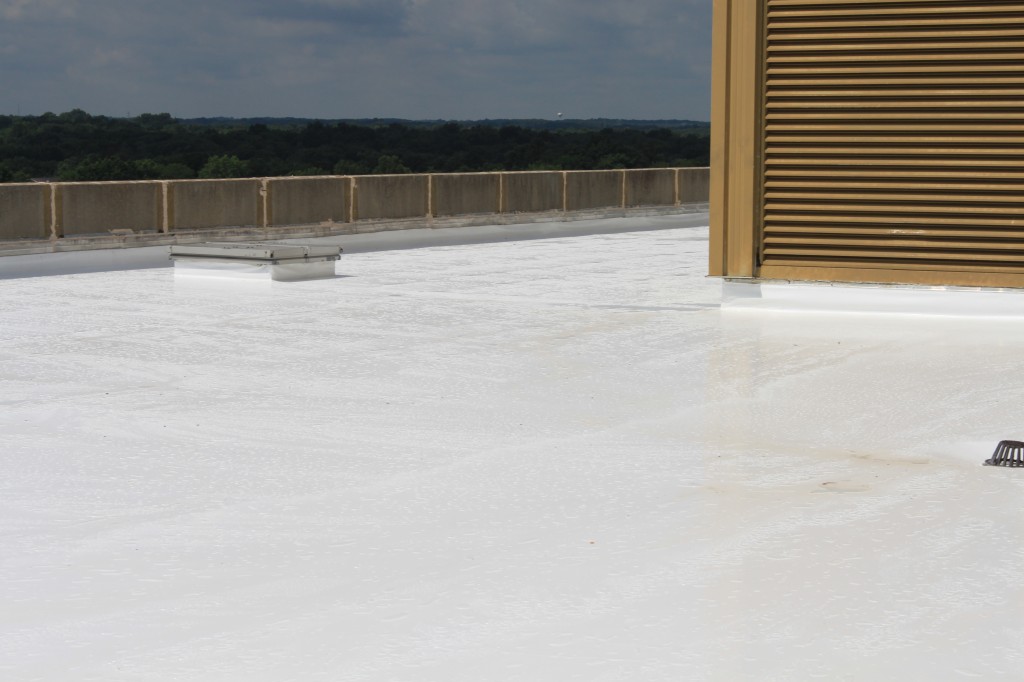
Roof coatings serve as a protective layer for flat roofs, extending their longevity and enhancing their appearance. These reflective coatings can also help reduce energy costs by keeping the aesthetic cool. The cost of applying a roof coating generally ranges from £2 to £5 per square foot, depending on the type and quality of the coating used. This method can add an additional 10 to 15 years to your roof’s lifespan, making it a cost-effective option.
Repair Option 2: Patching
Patching is often the first line of defence when repairing minor leaks or damage. It involves placing a piece of roofing material over the damaged area and sealing it with a waterproof compound. The costs associated with patching can vary widely, typically ranging from £100 to £500, based on the severity of the damage and the materials used. While patching can be an effective short-term solution, its longevity may not exceed five to ten years, depending on environmental conditions.
Repair Option 3: Replacement Membrane
If damage is extensive, it may be necessary to replace the entire roofing membrane. This is particularly true for vinyl or EPDM roofs that have developed multiple punctures or blisters. Replacement costs can range from £4 to £8 per square foot, depending on the material chosen and the size of the flat roof. A new membrane can last anywhere from 15 to 30 years, making this option a worthwhile investment for those facing severe roofing issues.
Repair Option 4: Built-Up Roofing (BUR) Repairs
Built-Up Roofing systems consist of multiple layers of bitumen and felt, making them robust but heavy. Repairs on these roofs usually involve adding layers of asphalt or modifying the roof’s surface to prevent leaks. Costs for BUR repairs can vary but may amount to £3 to £6 per square foot. The longevity of these repairs often parallels the lifespan of the existing roof, which can be 15 years or more if properly maintained.
Repair Option 5: TPO or EPDM Repairs
Thermoplastic Olefin (TPO) and Ethylene Propylene Diene Monomer (EPDM) roofs are prevalent in modern construction. Repairs may necessitate using specialised adhesives and sealing compounds to patch leaks or tears efficiently. Costs here range from £2.50 to £6 per square foot. Properly executed repairs on TPO and EPDM roofs can last between 10 to 25 years but can be susceptible to issues like seam separation if not performed correctly.
Cost Analysis and Budgeting
When budgeting for flat roof repairs, it’s prudent to consider both short-term and long-term costs. Invest in a detailed inspection to ascertain the extent of any damage, which can save you from more significant expenses later. Allocate funds not only for immediate repairs but also for preventive maintenance. Routine inspections, particularly after severe weather, can pay dividends in maintaining roof integrity.
Preventive Measures
Beyond repairs, proactive strategies can mitigate future issues. This includes regular inspections, cleaning gutters and drains, and removing debris from the roof surface. Ensuring that roofing materials are appropriate for the local climate can also enhance durability. For instance, selecting reflective materials can reduce heat absorption and extend the life of the roofing system.
Conclusion
Fixing a flat roof requires careful consideration of the available repair options, costs, and the expected longevity of the materials. From coatings and patching to complete membrane replacements, the choices are varied and can cater to different budgets and needs. Ultimately, investing in both immediate repairs and strategic preventive maintenance will ensure your flat roof continues to protect your property for many years to come.
FAQ
What are the most common problems with flat roofs?
Common flat roof problems include ponding water, leaks, blisters, and punctures caused by poor drainage, weather damage, or material wear.
How much does it cost to repair a flat roof?
Repair costs vary by method, ranging from around £2 to £8 per square foot depending on the repair type and materials used.
Which flat roof repair option lasts the longest?
Replacing the entire membrane can last 15 to 30 years, making it generally the longest-lasting repair option.
How can I prevent flat roof damage?
Regular inspections, cleaning gutters and drains, removing debris, and choosing appropriate roofing materials for the climate can help prevent damage.
FAQ
What are the most common problems with flat roofs?
Common flat roof problems include ponding water, leaks, blisters, and punctures caused by poor drainage, weather damage, or material wear.
How much does it cost to repair a flat roof?
Repair costs vary by method, ranging from around £2 to £8 per square foot depending on the repair type and materials used.
Which flat roof repair option lasts the longest?
Replacing the entire membrane can last 15 to 30 years, making it generally the longest-lasting repair option.
How can I prevent flat roof damage?
Regular inspections, cleaning gutters and drains, removing debris, and choosing appropriate roofing materials for the climate can help prevent damage.



Leave a Reply