Short Answer
Missing a single tooth can be a disheartening experience, impacting not just aesthetics but also functionality. Fortunately, a multitude of affordable options exists for those seeking a solution. Whether you’re looking for a quick fix or a long-term solution, it’s essential to understand the varieties of false teeth available for a single tooth replacement. In this article, we will explore various types of false teeth, what to expect during the selection and application process, and the costs associated with each option.
1. The Nature of Tooth Loss
Tooth loss can arise from various issues including trauma, decay, or periodontal disease. If not addressed promptly, it can lead to further dental complications, such as shifting teeth, bite issues, and jawbone loss. Understanding these implications underscores the importance of seeking an effective replacement.
2. Types of False Teeth for One Tooth
When it comes to replacing a single tooth, there are several principal types of false teeth – temporary and permanent options, each with distinct characteristics and applications.
2.1. Dentures
Partial dentures are a popular and cost-effective option for replacing one or more missing teeth. These removable prosthetics are custom-designed to fit the contours of the mouth, thus providing both aesthetic appeal and functionality. Made from acrylic resin, metal, or a combination of materials, partial dentures restore the smile without the need for invasive procedures.
2.2. Dental Bridges
A dental bridge serves as a stable and durable solution for missing teeth. This fixed prosthetic requires the adjacent teeth to be altered slightly and crowned to support the bridge. While they are more costly than partial dentures, dental bridges deliver superior stability and are a long-term solution that can last for many years with proper care.
2.3. Dental Implants
For those seeking a permanent solution, dental implants represent an advanced method of tooth replacement. This surgical procedure involves embedding a titanium post directly into the jawbone, which serves as a sturdy foundation for a crown. Implants are recognised for their durability and natural feel but are generally more expensive than other options. Patients can expect a longer treatment duration due to the healing and integration process.
3. Temporary Solutions: What to Expect
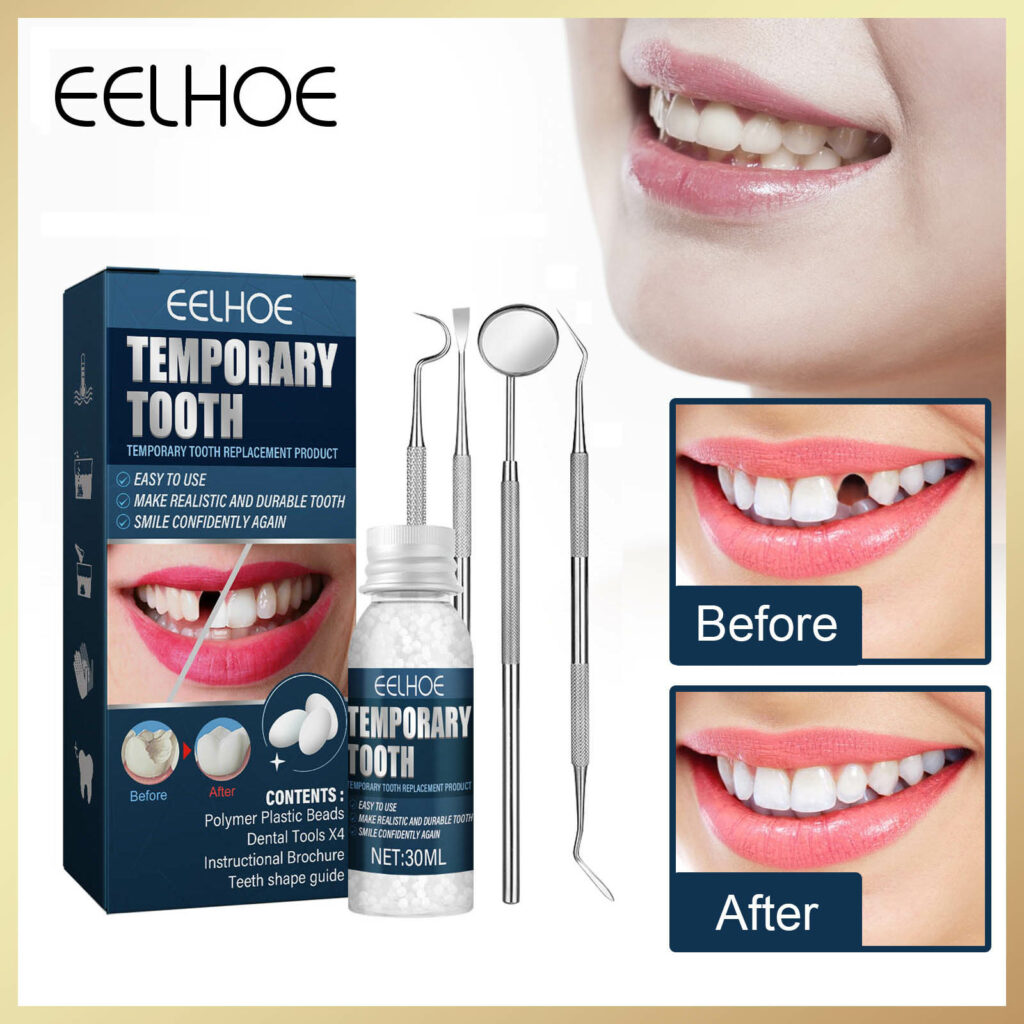
In some cases, immediate solutions may be required to address the aesthetic concerns of tooth loss. Temporary fillers or kits can be used to improve appearance while waiting for permanent options. These kits, such as the Eelhoe Temporary Tooth Repair Kit, typically include materials that can be moulded to fill gaps and restore smile confidence.
Using such kits generally involves:
- Cleaning the affected area to ensure proper adherence.
- Moulding the temporary filling material to align with existing teeth.
- Setting the material according to provided instructions, thus achieving a temporary yet effective solution.
While these options are budget-friendly, they are not designed for long-term use and should be replaced as soon as more permanent solutions are in place.
4. Cost Considerations
Affordability is a paramount concern when assessing options for false teeth. The costs can vary considerably based on the type of procedure required and the materials used:
- Partial Dentures: Typically range from £200 to £800, depending on complexity and materials.
- Dental Bridges: Can cost anywhere from £400 to over £1,500, taking into account the number of teeth involved and material quality.
- Dental Implants: Generally the priciest at £1,500 to £3,000 per implant, factoring in consultations, surgery, and additional crown work.
It’s advisable to check with dental insurance coverage, as some plans may reimburse partial costs, particularly for dental implants or bridges.
5. Long-Term Care and Maintenance
Once a false tooth option is selected and deployed, maintenance becomes essential. Regular dental check-ups are vital to ensure that the surrounding teeth and gums are healthy. Proper oral hygiene practices are equally critical; brushing and flossing should continue without interruption to prevent decay or gum disease around the prosthetic.
In the case of removable dentures, cleaning routines must include soaking and brushing the prosthetic to remove food particles and reduce the risk of complications.
6. Emotional and Psychological Considerations
The implications of tooth loss extend beyond mere functionality; they often influence self-esteem and confidence. Many individuals may experience anxiety or reduced self-worth following tooth loss. Engaging with dental professionals to discuss options can alleviate concerns and restore confidence through improved aesthetics and functionality.
Conclusion
Replacing a single lost tooth doesn’t have to be a daunting financial burden. With several affordable options ranging from partial dentures to dental implants, there is a suitable alternative for every need and budget. As you consider your options, remember to consult with a dental professional who can provide expertise tailored to your specific circumstances. Ultimately, the right choice will not only enhance your smile but also rejuvenate your confidence.
FAQ
What are the most affordable options for replacing a single tooth?
Partial dentures are generally the most affordable option for replacing a single tooth, typically ranging from £200 to £800.
How long does it take to get a dental implant?
Dental implants usually require a longer treatment duration due to surgery and healing time, often several months.
Are dental bridges a permanent solution?
Dental bridges are considered a long-term fixed solution that can last many years with proper care.
Can I use temporary kits to replace a missing tooth?
Yes, temporary tooth repair kits can provide a short-term aesthetic fix while waiting for a permanent solution.
How should I care for my false tooth?
Proper oral hygiene including brushing, flossing, and regular dental check-ups is essential. Removable dentures require soaking and cleaning.
Leave a Reply