Short Answer
Planning permission can often appear as a perplexing hurdle for homeowners contemplating modifications or additions to their properties. Among the myriad of home improvement projects, the question of whether planning permission is required for a car port frequently arises. Car ports offer an alluring prospect of protecting vehicles from the elements, yet their construction can entail navigating a web of regulations and guidelines. In this article, we shall delve into the intricacies of planning permission for car ports in the UK, exploring the underlying principles, exemptions, and considerations that govern this subject.
Understanding Car Ports
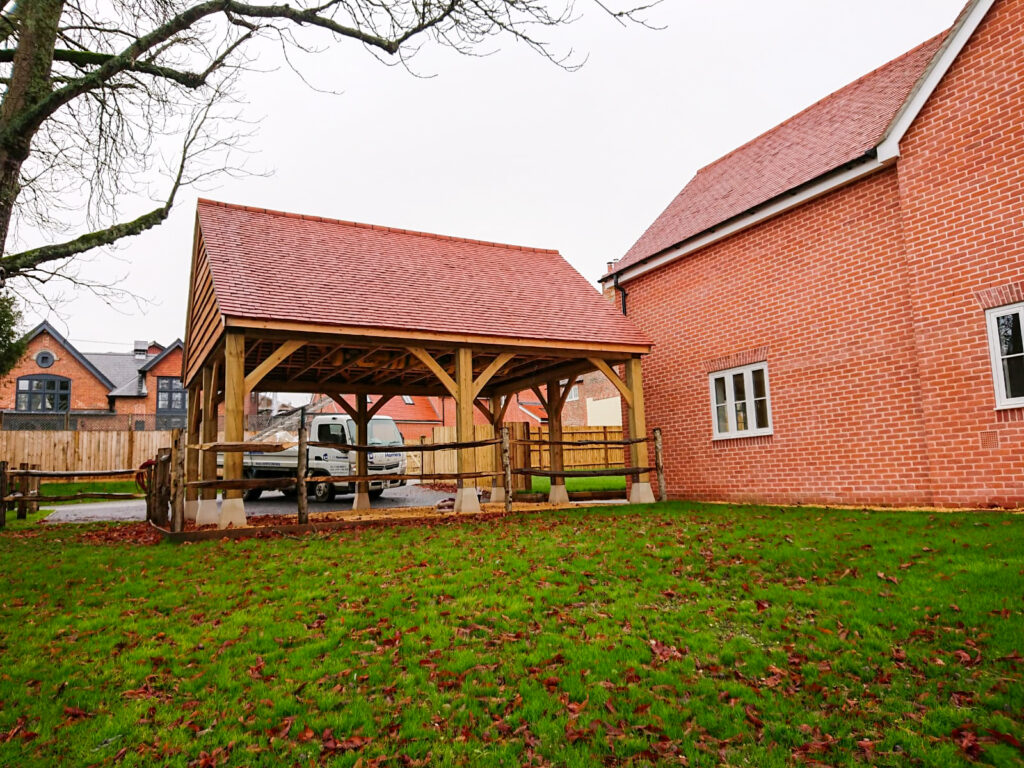
A car port is a structure, typically open on at least one side, designed to provide shelter for vehicles. Unlike garages, which are fully enclosed and often provide additional storage or utility space, car ports focus primarily on offering protection from weather extremes and falling debris. Their design can range from simple canopies to more elaborate structures, but their semi-permanent nature raises important questions regarding regulatory compliance.
Planning Permission: The Basics
In the UK, planning permission is a legal requirement that ensures any construction or alteration meets local development, safety standards, and aesthetic considerations. This legislation exists to maintain the character of neighbourhoods, protect the environment, and ensure new developments do not adversely affect local infrastructure. Yet, there exists a common misconception that all home improvements necessitate permission, which can deter homeowners from taking the plunge into innovative renovations.
Permitted Development Rights
One of the most salient points regarding car port construction is the existence of permitted development rights. These rights allow certain types of building work to be carried out without full planning permission, provided certain conditions are met. This significantly simplifies the process for homeowners who wish to add a car port to their property.
Under the permitted development rights, car ports are generally categorised as outbuildings. As such, they can be erected without needing planning permission, provided specific criteria are satisfied:
- Location: The car port must not be located on designated land, such as land designated as a national park, conservation area, or area of outstanding natural beauty.
- Size: The structure should not exceed a height of 2.5 metres if it is within 2 metres of the property boundary, or 4 metres for structures further away. Additionally, the total area of the outbuildings, including the car port, must not exceed 50% of the land surrounding the original house.
- Use: A car port is primarily to shelter vehicles and should not be converted into living space without planning permission.
- Aesthetics: The design and materials used should be in keeping with the character of the property and the surrounding area.
When Planning Permission Is Required
Despite permitted development rights, there are instances when planning permission is imperative. If the proposed car port exceeds the stipulated dimensions, encroaches on nearby roads, or detrimentally affects the amenity of neighbouring properties, it is likely that local authorities will require a formal application. Additionally, in conservation areas or listed building zones, the regulations can be markedly stricter, often necessitating planning permission even for building works that would otherwise fall under permitted development.
Understanding these regulations is crucial for homeowners to avoid the potential pitfalls of failing to apply for necessary permissions. Non-compliance can culminate in significant penalties, including the removal of an unapproved structure.
Consultation: A Prudent Step
Before embarking on the journey of constructing a car port, consulting with the local planning authority can provide invaluable insights. Authorities can elucidate the specific regulations applicable to a property, as they vary significantly between regions. Engaging in pre-application discussions is often encouraged, as it fosters a dialogue regarding the feasibility of a project and can uncover any potential impediments early in the planning stage.
Design Considerations
Beyond the legal framework, the design of a car port merits thoughtful contemplation. A well-designed car port can enhance the aesthetic of a property whilst simultaneously serving its intended function. Consideration should be given to the materials used, ensuring they complement the prevailing architectural style of the home. For instance, a modern property may benefit from a sleek, minimalistic car port design, while a period home may suit more traditional features.
Incorporating environmentally friendly materials and design features can also add an element of sustainability to the project. This not only benefits the environment but may also result in increased property value. Moreover, car ports that allow natural light, through translucent roofing materials or open sides, can create inviting spaces rather than dark, neglected corners.
Conclusion
The question of whether planning permission is necessary for a car port in the UK is a multifaceted one. While many homeowners can take advantage of permitted development rights, it is imperative to acknowledge the nuances of local regulations and design best practices. By understanding the legal requirements, engaging with local planning authorities, and considering thoughtful design, the construction of a car port can be a seamless process that adds value, convenience, and protection for vehicles without the burden of legal troubles. Ultimately, the allure of car ports lies not just in their practical benefits but in their potential to enhance the overall property aesthetic and functionality.
FAQ
Do I need planning permission for a car port in the UK?
It depends on the size and location of the car port. Many can be constructed under permitted development rights without permission, but it’s important to check local regulations.
What are permitted development rights?
Permitted development rights allow certain types of building work to be done without full planning permission, including some car ports, provided specific criteria are met.
What should I consider when designing a car port?
Design considerations include materials that complement your home, local aesthetic guidelines, and environmental sustainability.




Leave a Reply