Short Answer
In the vast realm of financial management, the terms “accounting,” “accountancy,” and “bookkeeping” often float around, each carrying its own nuances yet frequently being used interchangeably. But how well do you grasp the distinctions between them? What if you casually lapsed into using the wrong term during a crucial business meeting? Could that lead to confusion or inadvertently undermine your credibility? Fear not! This article will demystify these concepts and arm you with a robust understanding.
1. Understanding the Basics
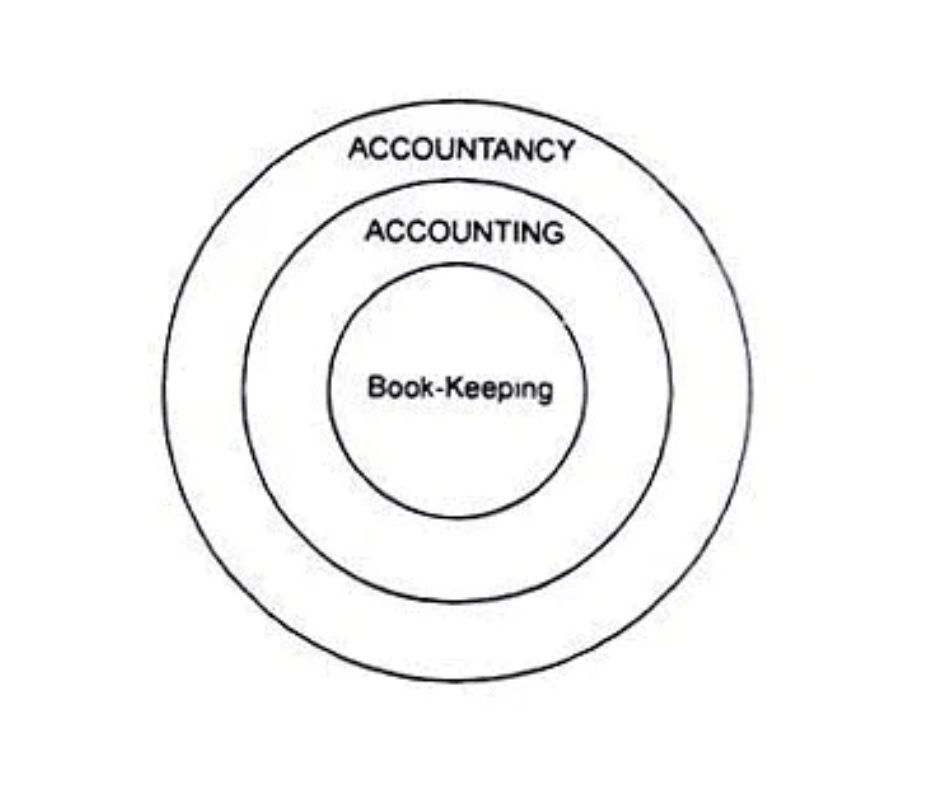
To commence, let us explore the fundamental definitions of these three terms. At their essence, bookkeeping is the meticulous practice of recording daily financial transactions. This involves anything from sales and receipts to purchases and payments. It is the first step in the financial reporting process, ensuring a reliable dataset upon which further activities can be undertaken.
On the other hand, accounting is a more comprehensive concept that encompasses the entire spectrum of financial management. It includes the processes of summarising, analysing, and reporting these transactions, ultimately transforming raw data into meaningful financial statements, such as income statements and balance sheets. This information is crucial for stakeholders, helping them make informed decisions regarding the financial health of an entity.
Accountancy, meanwhile, refers to the profession of accounting. It signifies the practice of developing, operating, and overseeing systems that record and report financial information. Accountants often engage in a range of activities, from tax preparation to advising businesses on financial strategies. Therefore, while bookkeeping is a component of accounting, and accounting encompasses various aspects of accountancy, each term is distinct and highlights different facets of financial management.
2. Role of Bookkeeping
Understanding bookkeeping is pivotal, as it lays the groundwork for more complex accounting processes. Bookkeepers are responsible for recording all financial transactions, ensuring they are accurate and up-to-date. They use a variety of tools, including ledgers, journals, and accounting software, to capture and organise data.
Moreover, a bookkeeper’s responsibilities can include managing payroll, invoicing clients, and ensuring compliance with tax regulations. Picture it as the diligent scribe of a kingdom, cataloguing every incoming and outgoing gold coin. Without this meticulous attention to detail, the financial landscape would resemble a chaotic bazaar, ripe for errors and miscalculations.
3. The Accountant’s Domain
As one transitions from bookkeeping into the domain of accounting, the scope of responsibilities broadens significantly. Accountants not only oversee bookkeeping tasks, but they also analyse the financial data collected, preparing reports that communicate the financial state of an organisation.
They are strategic advisors, armed with knowledge that allows them to interpret financial trends, manage budgets, and even conduct audits. An accountant’s job requires a deep understanding of regulations and compliance, ensuring that an organisation adheres to laws and standards while optimising its financial performance. Visualise an accountant as the insightful captain of a ship, navigating through fiscal waters with precision and foresight, ready to adjust course based on turbulent tides.
4. Examining Accountancy
Accountancy encompasses the entire ecosystem of accounting practices. It binds the various elements of financial management together, signifying the professional standards and ethics that govern accountants. This profession mandates proficiency in accounting principles, legal obligations, and ethical considerations.
Accountants often pursue formal qualifications to ensure they possess the requisite skills for the challenges they will encounter. These qualifications span various accreditations, such as Certified Public Accountant (CPA) or Chartered Accountant (CA), which provide a framework for professionalism and expertise. In this regard, accountancy serves as the backbone of trust in financial reporting, a beacon guiding stakeholders through the fog of fiscal uncertainty.
5. Interaction Between the Three Disciplines
Although distinct, bookkeeping, accounting, and accountancy are interdependent. Bookkeepers provide the raw material—detailed financial records that accountants rely on to produce insightful reports. These reports, in turn, are crafted under the ethical standards set by the accountancy profession. This intricate web creates a seamless flow of information essential for effective financial management.
Consider a finely tuned orchestra, with each section performing its role. The bookkeeper is the percussion section, laying the rhythmic foundation; the accountants are the woodwinds and brass, skillfully interpreting the score; and accountancy forms the conductor, ensuring harmony and coherence throughout the performance.
6. Common Misconceptions
There are prevalent misconceptions that often cloud the clear understanding of these terms. For instance, many assume that all accountants can perform bookkeeping tasks. While it is true that most accountants are proficient in bookkeeping, their roles extend far beyond mere transaction recording. Conversely, some may think that bookkeeping is an advanced practice; however, with the right tools, it can be accessible even to those without a formal financial background.
Recognising these misconceptions and clarifying them can empower individuals and businesses alike. Armed with the proper terminology and understanding, you can engage in more substantive conversations about financial health and strategy, enhancing your presence in both personal and professional spheres.
Conclusion
In conclusion, the differences between accounting, accountancy, and bookkeeping are as nuanced as they are significant. Each plays a unique and indispensable role in the realm of financial management, forming a cohesive structure that guides organisations toward fiscal responsibility and growth. By discerning these distinctions, you not only enhance your understanding but also sharpen your capacity to engage meaningfully in discussions that revolve around financial matters. Embrace this newfound knowledge, and equip yourself to navigate the financial seas with confidence.
FAQ
What is the difference between accounting and bookkeeping?
Accounting involves summarising and analysing financial data, while bookkeeping is focused on the recording of daily financial transactions.
What does accountancy refer to?
Accountancy refers to the profession of accounting that includes overseeing systems for recording and reporting financial information.
Can all accountants perform bookkeeping tasks?
Most accountants can perform bookkeeping, but their roles typically extend far beyond just recording transactions.



Leave a Reply