Short Answer
Have you ever sat in the dental chair, the smell of antiseptic lingering in the air, and wondered, “What exactly happens during a dental hygienist appointment?” It’s natural to be curious about the intricacies behind that seemingly simple procedure—especially if you’ve been challenged by your own dental anxieties. Let’s embark on an enlightening exploration of the dental hygienist’s role during a teeth cleaning visit and discover what makes it such a vital part of maintaining oral health.
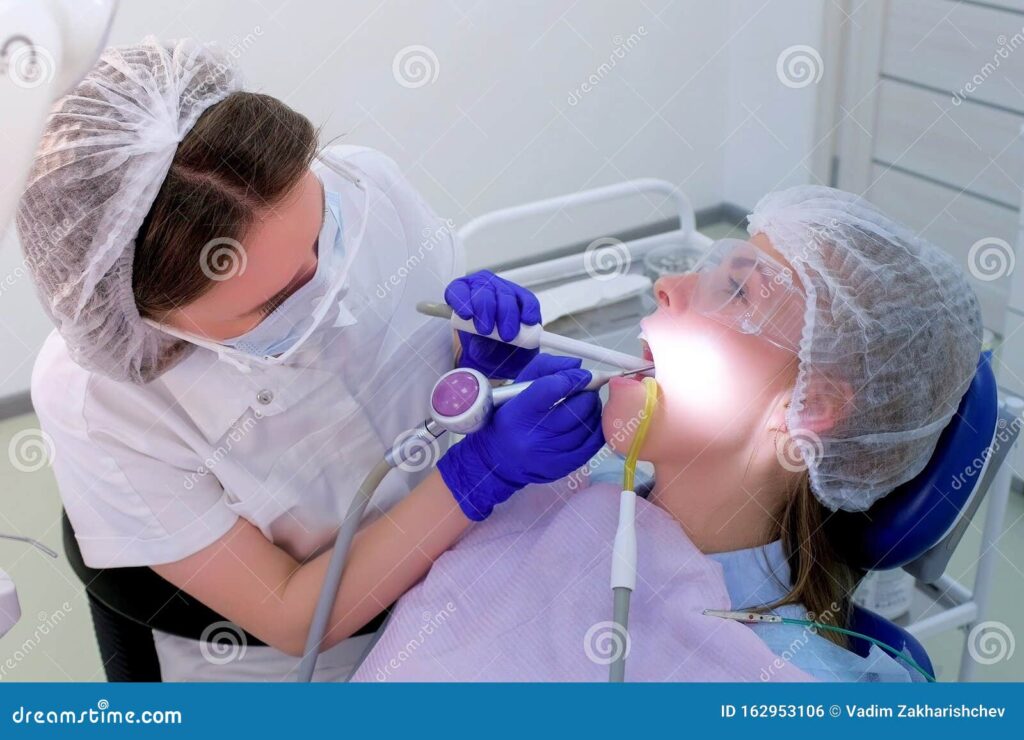
The journey begins upon arrival at the dental clinic. The atmosphere is often welcoming, designed to ease any pre-appointment jitters. As you settle into the chair, you might find yourself pondering the tools that will soon be at play in your mouth—specifically, the instruments of the dental hygienist. From stunningly sharp scalers to the gentle whirr of the ultrasonic cleaner, each instrument has its unique purpose and significance.
A pivotal component of your visit is the medical history assessment. Prior to commencing the dental cleaning, the hygienist will likely inquire about your health history, medications, and any concerns you may have. This vital information helps them tailor the treatment to your specific needs, recognising that each patient is distinct and deserves bespoke care.
After the preliminary discussions, the dental hygienist will begin the clinical examination, where they assess your oral cavity. This includes a thorough inspection of your gums, teeth, tongue, and the inside of your cheeks. The hygienist is on the lookout for potential issues—such as gingivitis or plaque build-up—that can indicate underlying oral health problems.
As your visit continues, you may encounter the infamous periodontal probe. This slightly intimidating tool measures the depths of the pockets between your gums and teeth. A question arises: Are those spaces healthy, or do they signal trouble? Understanding these measurements is crucial in assessing the current state of your periodontal health.
Next up is the cleaning process itself, which commences with the removal of plaque and tartar. For many, the thought of scraping sounds unbearable. Yet, this step is vital to prevent decay and gum disease. The hygienist uses a scaler or ultrasonic cleaner to dislodge stubborn deposits from the tooth surface. As they delicately navigate around your teeth, they will also ensure that any hard-to-reach areas are thoroughly attended to. You may even find yourself smiling through the suction device that removes excess saliva—it’s all part of the cleaning experience!
Having successfully banished the persistent plaque, the next phase involves polishing your teeth. The hygienist applies a gritty paste to each tooth, using a small rotating brush. This not only ensures a gleaming finish but also offers an invigorating sensation that can leave you feeling refreshed. It’s during this stage that you may challenge yourself: Can I resist the urge to rinse immediately?
Once your teeth are polished to a dazzling shine, the hygienist may utilise a fluoride treatment to fortify your enamel. This quick application protects against cavities and strengthens your teeth. The fluoride treatment is generally highly recommended, given its significant benefits for long-term oral health. However, some individuals may question its necessity. It’s worth discussing any concerns with your hygienist, as they can provide personalised recommendations based on your unique dental history.
Finally, the visit culminates in a discussion about your oral hygiene routine. This is perhaps the most critical part of ensuring your ongoing dental health. The hygienist will offer guidance tailored to your habits and lifestyle, suggesting improved techniques or products that can enhance your daily routine. Sometimes, the challenge may not lie in the cleaning chair but rather in implementing what you’ve learned into your regular schedule. Will you take this advice to heart, or will old habits prevail?
It’s essential to note that a dental cleaning appointment is not merely a routine tick on your calendar but a proactive measure to secure your overall health. Numerous studies have indicated a strong link between oral health and systemic conditions such as cardiovascular diseases and diabetes. This holistic perspective reinforces the significance of visiting your dental hygienist regularly. Each appointment is a stepping stone towards greater health and longevity.
In much the same way that you neglect physical fitness at your peril, so too can neglecting your dental hygiene lead to unwanted issues later down the road. Navigating the path of self-care takes discipline, and while a hygiene appointment can provide a fresh start, the commitment to maintaining that newfound cleanliness rests squarely on your shoulders.
Ultimately, the interaction with a dental hygienist is an invaluable part of maintaining oral health. From the initial assessment to the final advice on brushing techniques, every aspect is designed with your well-being in mind. It’s a collaborative effort, where both patient and professional play pivotal roles. So, the next time you contemplate your visit, remember: that dental chair holds the key to a healthier future, and the conscientious guidance of your dental hygienist is an indispensable asset on your journey.
In conclusion, dental hygiene is much more than the act of cleaning teeth; it is a comprehensive practice that requires diligence and informed care. By embracing the process and recognising the importance of each visit, you set the stage for a lifetime of healthy smiles. The challenge remains within your grasp: will you conquer it with holistic dedication and proactive measures? Only time will reveal your commitment to oral excellence.
FAQ
What does a dental hygienist do during a teeth cleaning?
A dental hygienist performs a medical history assessment, oral examination, plaque and tartar removal using scalers or ultrasonic cleaners, teeth polishing, fluoride treatment, and provides personalized oral hygiene advice.
Why is regular dental cleaning important?
Regular dental cleaning helps prevent plaque build-up, gingivitis, gum disease, and cavities, and supports overall health by reducing risks linked to systemic conditions like cardiovascular disease and diabetes.
Is fluoride treatment necessary after cleaning?
Fluoride treatment is generally recommended to strengthen tooth enamel and protect against cavities, but personal dental history and concerns should be discussed with the hygienist.
What tools does a dental hygienist use during cleaning?
Tools typically include sharp scalers, ultrasonic cleaners, periodontal probes, polishing brushes, and suction devices to efficiently clean and examine teeth and gums.
How can I maintain oral health after a dental cleaning?
Following the hygienist’s personalized advice on brushing techniques, flossing, and product use is essential to maintain oral health between dental visits.


Leave a Reply