Short Answer
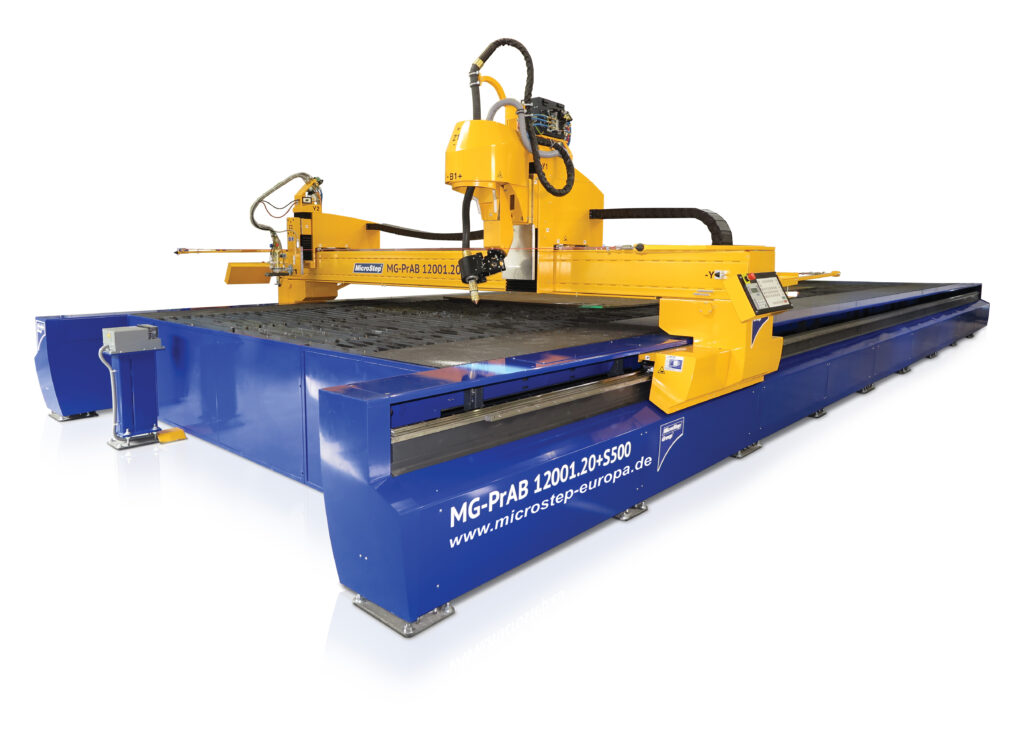
The CNC plasma cutting machine represents a paradigm shift in the world of metal fabrication, where precision meets power, and efficiency intertwines with versatility. This advanced technology has revolutionised the manufacturing processes across various industries, transforming the way metal is cut and shaped. In this article, we will delve into the intricacies of how CNC plasma cutting machines operate, their costs, and their myriad applications, beckoning a deeper understanding of this transformative equipment.
Understanding CNC Plasma Cutting Technology
At the heart of a CNC (Computer Numerical Control) plasma cutting machine lies a simple yet profound principle—a concentrated jet of ionised gas, or plasma, that can slice through metal with remarkable speed and precision. The beauty of this process lies in its simplicity: when electric current passes through a gas, it converts it into plasma, creating an incredibly hot and energised state. This plasma arc can reach temperatures upwards of 20,000 degrees Celsius, making it capable of cutting through various materials, including steel, stainless steel, aluminium, and even copper.
The operation begins when the CNC machine receives a digital file, often generated by CAD (Computer-Aided Design) software. This file contains the intricate specifications for the intended design. The CNC plasma cutting machine interprets these specifications, translating them into precise movements of the machine’s cutting torch. This orchestration is critical; it ensures that every contour and curve of the design is faithfully reproduced on the metal workpiece, eliminating human error while enhancing repeatability.
The Mechanics of Operation
The plasma cutting process is activated when the torch is positioned about one-sixteenth of an inch above the metal surface. At this point, a high-voltage electrical arc is initiated, ionising the gas and forming a plasma stream. As the torch moves across the surface of the workpiece, this stream melts the metal and simultaneously blows it away, creating a clean cut. Variations in speed, angle, and torch height allow for different cut qualities and styles.
One of the notable advantages of CNC plasma cutting machines is their ability to operate at high speeds without compromising on quality. This is particularly crucial in environments where time is of the essence, allowing fabricators to produce intricate parts rapidly while maintaining precision. The ability to cut through thick materials, sometimes exceeding 50 mm in thickness, is an additional benefit that underscores the versatility of this equipment.
The Costs Involved
While the benefits of CNC plasma cutting machines are plentiful, potential users must also consider the associated costs. The initial investment can vary dramatically based on the machine’s specifications, including cutting capacity, control options, and additional features. Generally, a basic CNC plasma cutting machine can range from £15,000 to £50,000, while advanced models equipped for high-frequency cutting and automation may climb to £100,000 and beyond.
Beyond the purchase price, operational costs are also a pivotal consideration. Consumables, such as plasma cutting electrodes and nozzles, require regular replacement, depending on the frequency and intensity of use. Additionally, the cost of electricity and maintenance should not be overlooked. However, many businesses find that the efficiency of these machines ultimately results in significant savings, enabling quicker turnaround times and reduced labour costs.
The Multitude of Applications
The applications of CNC plasma cutting machines are as varied as they are impressive, permeating a multitude of industries. From automotive and aerospace to maritime engineering and architectural applications, the reach of plasma cutting technology is extensive.
- Manufacturing and Fabrication: One of the most prevalent uses is in metal fabrication shops, where precision parts are required. CNC plasma cutters are indispensable in creating components for machinery, vehicle parts, and structural steel assemblies.
- Aerospace Industry: The aerospace sector utilises CNC plasma cutting for manufacturing lightweight components that require high precision. Given the stringent regulations surrounding this industry, the accuracy of plasma cutting is paramount.
- Artistic Applications: Beyond industrial uses, artists and metalworkers are embracing CNC plasma cutting as a medium for creating intricate metal sculptures and decorative items. This fusion of art and technology has led to an emergence of novel artistic expressions.
- Construction: In construction, CNC plasma cutting machines facilitate the production of steel beams, frames, and specialised parts critical to modern architecture. The agility of plasma cutting allows for rapid prototyping and adaptation to evolving designs.
Final Thoughts
The CNC plasma cutting machine embodies more than mere technology; it encapsulates a shift in how industries approach metal fabrication. The promises of efficiency, precision, and versatility have unwaveringly altered the landscape of manufacturing. By integrating an understanding of its operation, costs, and applications, fabricators and artists alike can harness the full potential of this remarkable machinery. The exploration of CNC plasma cutting invites both curiosity and innovation, suggesting that as technology evolves, so too will the artistry and industrial practices of the future.
FAQ
What is CNC plasma cutting?
CNC plasma cutting is a technology that uses a high-velocity jet of ionized gas (plasma) to cut through metal with precision.
What are the applications of CNC plasma cutting?
CNC plasma cutting machines are used in various industries including automotive, aerospace, artistic applications, and construction.
What are the costs associated with CNC plasma cutting machines?
The costs can range from £15,000 to £100,000 or more, depending on the machine’s specifications and additional features.
FAQ
What is CNC plasma cutting?
CNC plasma cutting is a technology that uses a high-velocity jet of ionized gas (plasma) to cut through metal with precision.
What are the applications of CNC plasma cutting?
CNC plasma cutting machines are used in various industries including automotive, aerospace, artistic applications, and construction.
What are the costs associated with CNC plasma cutting machines?
The costs can range from £15,000 to £100,000 or more, depending on the machine’s specifications and additional features.

Leave a Reply