Short Answer
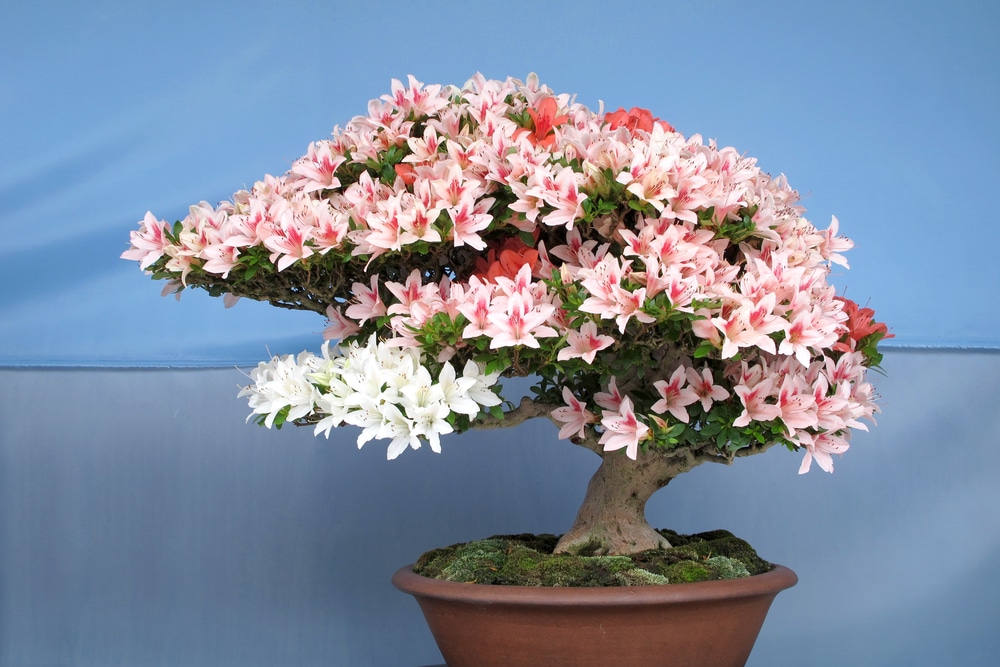
Cherry blossom bonsai trees, also known as Sakura bonsai, are a breathtaking addition to any indoor or outdoor garden. Their delicate pink and white flowers are synonymous with beauty and grace, making them a highly sought-after choice among bonsai enthusiasts. This guide will delve into the nuances of caring for and cultivating cherry blossom bonsai trees, providing you with essential tips for fostering their growth and flourishing blossoms.
Understanding Cherry Blossom Bonsai Trees
The cherry blossom tree, with its illustrious cultural significance, is native to East Asia, primarily Japan, where it embodies the transient nature of beauty and life. The most common species used for bonsai are the Japanese flowering cherry (Prunus serrulata) and the Yoshino cherry (Prunus x yedoensis), both of which are renowned for their stunning floral displays. In bonsai cultivation, the objective is to create a miniature representation of these majestic trees in nature. Achieving this requires an intimate understanding of their growth habits and environmental needs.
Ideal Growing Conditions
Cherry blossom bonsai trees thrive in specific conditions that cater to their unique requirements. Understanding these factors will enhance your success in cultivation:
- Light: These trees flourish in bright, indirect light. Placing your bonsai in a south-facing window is ideal, as it can receive ample sunlight without being scorched. Essential sunlight exposure should range between 4 to 6 hours daily.
- Temperature: Cherry blossom bonsai trees prefer moderate temperatures, ideally between 15°C to 25°C (59°F to 77°F). During the winter months, a cooler environment of around 5°C to 10°C (41°F to 50°F) is beneficial as it mimics their natural dormancy period.
- Humidity: These bonsai trees thrive in high humidity. Utilizing a humidity tray filled with water or misting the leaves regularly can help maintain the moisture levels they require.
Soil Selection and Potting
The choice of soil significantly influences the health of your cherry blossom bonsai. A well-draining mix, commonly composed of organic matter, grit, and akadama (a clay-like soil), will support the tree while preventing waterlogging, which can be detrimental.
When planting or repotting your bonsai, ensure that the pot has proper drainage holes. Fill the pot with your soil mixture and gently position the tree, ensuring that the root ball sits at the correct depth. Once planted, water thoroughly to eliminate air pockets within the soil.
Watering Techniques
Watering is crucial in bonsai care, and cherry blossoms are no exception. The general rule of thumb is to water when the topsoil becomes slightly dry. However, a more accurate approach is to assess the weight of the pot; a dry pot feels noticeably lighter than a moist one.
It is essential to water deeply, allowing excess water to drain out of the drainage holes, to encourage fruitful root development. In periods of heat, you may need to water more frequently, while in cooler months, watering should be reduced significantly to prevent root rot.
Fertilising Your Cherry Blossom Bonsai
Fertilisation provides the necessary nutrients for vibrant growth and blooming. Select a balanced fertiliser with a nutritional composition appropriate for flowering plants, such as a 10-10-10 NPK (nitrogen, phosphorus, potassium) formula. During the growing season, typically from spring to early autumn, apply fertiliser every four to six weeks.
As the blooming season approaches, shifting to a low-nitrogen fertiliser will help promote flowering, resulting in the beautiful blossoms characteristic of cherry trees.
Pruning and Shaping
Regular pruning is vital to maintain the size, shape, and overall health of your bonsai tree. This process demands finesse, as you must sculpt the tree while ensuring its longevity. In early spring, before the blooming commences, remove any dead or unwanted branches. Additionally, pinching new growth—trimming back new shoots without the use of secateurs—promotes a bushier appearance.
Wiring is another technique commonly employed to train branches into desired positions and shapes. Use thin aluminium or copper wire, wrapping it gently around branches without constricting growth. Monitor the branches’ development, as they can be prone to scars if left wired for too long.
Identifying Pests and Diseases
Cherry blossom bonsai trees can fall victim to various pests and diseases. Regular inspections are critical for early detection. Aphids, spider mites, and scale insects are common nuisances. Applying insecticidal soap or neem oil can effectively manage these infestations.
Fungal diseases, such as powdery mildew, can arise if humidity levels remain excessively high for prolonged periods. Ensuring proper air circulation around your bonsai, in conjunction with organic fungicides, can mitigate such issues.
Encouraging Blossoms
To achieve the magnificent blooms that cherry blossom trees are celebrated for, it is essential to mimic their natural conditions closely. An initial chill in winter, followed by adequate sunlight during the growing season, is paramount. Timing your fertilisation and pruning can also influence flowering; delaying heavy pruning until after flowering can preserve buds for the next bloom.
Conclusion
Cherry blossom bonsai trees offer an exquisite testament to nature’s beauty, enriching any environment with their striking appearance. By adhering to the comprehensive care guidelines outlined in this guide, you will cultivate a healthy, flourishing bonsai that captures the essence of the enchanting cherry blossom. With patience and diligence, your tree will reward you with breathtaking blossoms, a serene atmosphere, and an invaluable connection to the artistry of bonsai cultivation.
FAQ
What are the ideal growing conditions for cherry blossom bonsai trees?
Cherry blossom bonsai trees thrive in bright, indirect light, moderate temperatures between 15°C to 25°C, and high humidity.
How often should I water my cherry blossom bonsai?
Water your cherry blossom bonsai when the topsoil feels slightly dry, ensuring the pot is thoroughly watered to encourage healthy root development.
What type of fertilizer is best for cherry blossom bonsai trees?
A balanced fertilizer with a 10-10-10 NPK formula is recommended during the growing season, shifting to a low-nitrogen fertilizer as blooming approaches.

Leave a Reply