Short Answer
The car antenna is an oft-overlooked component yet plays a crucial role in the overall functionality of your vehicle’s audio system. Understanding the various types of antennas, how to replace them, and tips for improving signal quality can enhance your driving experience significantly. This guide delves into the diverse array of car antennas, the nuances of their replacements, and invaluable tips for optimising signal reception.
Understanding Antenna Types
Antennas come in a multitude of styles, each tailored to meet specific requirements. Familiarity with these types can assist in choosing the ideal antenna for your vehicle.
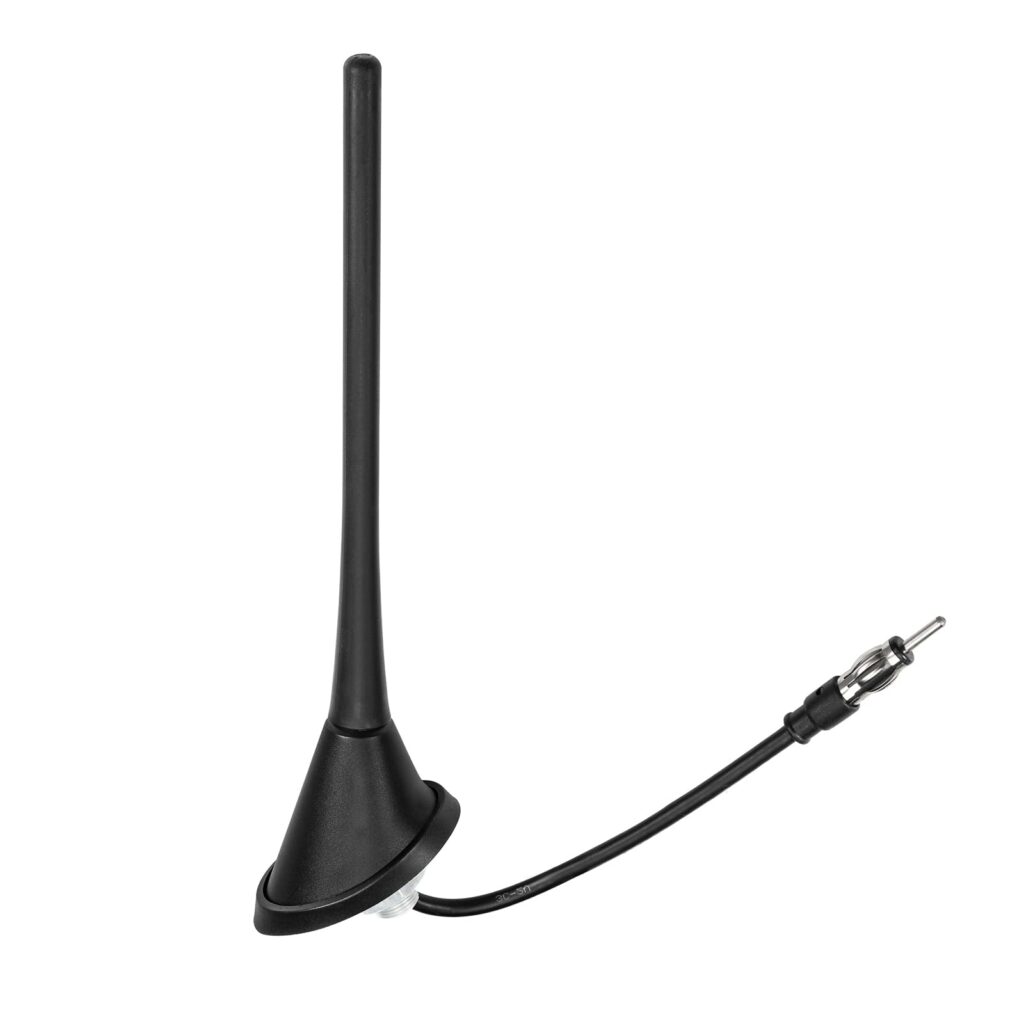
- Whip Antennas: The classic whip antenna is a thin, elongated design primarily seen on older vehicles. These antennas are typically made of stainless steel or fibreglass, providing excellent range and signal clarity. Their simplistic design can be a boon for traditional radio stations.
- Shark Fin Antennas: Over recent years, shark fin antennas have garnered popularity due to their sleek and aerodynamic design. These antennas can accommodate various functions such as GPS navigation and mobile communication, making them a multifaceted addition to modern cars.
- Stubby Antennas: Short and stout, stubby antennas have become favoured for their minimalistic aesthetic. Although their compact size may suggest a compromise in signal quality, many are designed to balance style and functionality, maintaining commendable performance for daily radio listening.
- Power or Retractable Antennas: Often found in high-end vehicles, these antennas extend or retract based on the radio’s needs. This feature preserves aesthetics while providing adjustable signal strength, making them an appealing option for those who value both form and function.
- Window Film Antennas: Integrated directly into the vehicle’s glass, window film antennas employ a minimalist design yet can provide robust signal capabilities. They are less visible and can be a sleek solution for achieving a clean look.
When to Replace Your Antenna
Recognising the signs that indicate it might be time for an antenna replacement is crucial. An old or malfunctioning antenna can severely impact radio reception, leading to a frustrating driving experience. Some indicators to consider include:
- Static or Interference: If your music is constantly interrupted by static or your favourite stations are fading in and out, your antenna might not be performing optimally.
- Physical Damage: Look for visible signs of wear and tear. A bent or broken whip antenna or cracks in a shark fin can significantly diminish performance.
- Age of the Vehicle: Many components in a car wear out over time. If your vehicle is several years old, consider whether the antenna has been subjected to enough environmental wear to necessitate a change.
- Change in Reception Quality: Sudden deterioration in reception can indicate an underlying issue with the antenna. If you’ve recently remodelled or modified your vehicle, this can also affect reception patterns.
Steps to Replace a Car Antenna
Replacing a car antenna can be a straightforward task if approached methodically. Here are the steps to ensure you achieve an effective replacement:
- Gather Required Tools: Before commencing, have a socket wrench set, a screwdriver, and potentially a wire cutter or splicing tool handy.
- Locate the Antenna: The position varies by vehicle, but antennas are usually mounted on the roof, rear fender, or front section of the vehicle.
- Remove the Old Antenna: Disconnect the antenna from the radio, usually located in the car’s dashboard or behind the trim. Unscrew or unclip the antenna base and gently remove it.
- Install the New Antenna: Follow the instructions provided with your new antenna for proper assembly. Securely attach it to the base, making sure all connections are firm and devoid of moisture intrusion.
- Test the Reception: Once installed, crank your radio and listen for clarity across multiple stations to ensure your new antenna is functioning correctly.
Improving Signal Quality
Even with a new antenna, signal quality can occasionally falter. Here are several tips to enhance the reception:
- Antenna Positioning: Adjust the antenna’s angle to optimise signal reception. Experimenting with this can yield significant improvements, especially with whip and power antennas.
- Using an Antenna Amplifier: For vehicles that are prone to weak signals due to geographical obstructions, consider installing an antenna amplifier. This device can help boost the signal strength, ensuring a clearer audio experience.
- Grounding the Antenna: Poor grounding can lead to faulty reception. Ensure that your antenna has a proper ground connection to enhance performance.
- Limit Obstructions: External factors like tall buildings, dense foliage, or mountains can interfere with signal clarity. Driving in open areas may yield a noticeable improvement in reception.
- Routine Maintenance: Periodically inspect your antenna for signs of corrosion or wear. Regular maintenance can prevent minor faults from escalating into major issues.
Understanding the myriad types of car antennas and the nuances of their replacement is fundamental for any vehicle owner. By equipping yourself with this knowledge, you can ensure you receive optimal performance from your car’s audio system. The combination of the right antenna and a proactive approach to maintenance will help you enjoy uninterrupted listening pleasure on all your journeys.
FAQ
What are the benefits of a shark fin antenna?
Shark fin antennas offer a sleek, aerodynamic design and can integrate multiple functions such as GPS and mobile communication.
Can window film antennas provide good signal quality?
Yes, window film antennas are minimally visible and can provide robust signal capabilities when properly installed.

Leave a Reply