Short Answer
Laminate flooring has become a popular choice among homeowners due to its affordability, ease of installation, and wide variety of designs. However, many are left wondering if it’s possible to stain laminate flooring, a question that can provoke both intrigue and a sense of experimentation. This article delves deep into the world of laminate flooring, exploring the feasibility of staining it, the successful techniques, and the pitfalls to avoid.
First and foremost, it’s vital to understand the composition of laminate flooring. Unlike solid wood, laminate is crafted from a composite of materials, typically consisting of a high-density fibreboard (HDF) core topped with a photographic layer and sealed with a protective melamine coating. This layered structure contributes to the product’s durability but complicates the potential for staining.
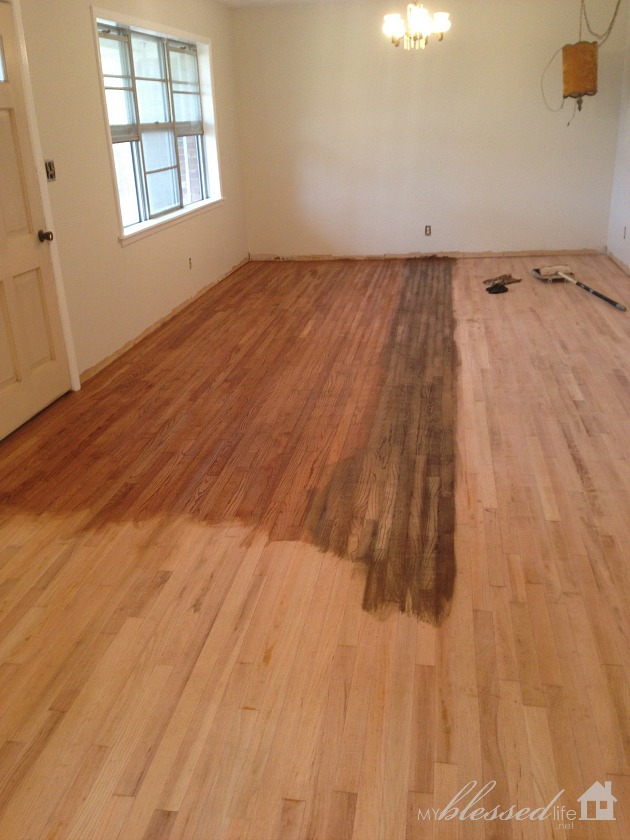
So, can laminate flooring actually be stained? The succinct answer is: not typically. The melamine surface that protects laminate floors offers a degree of resilience against scratches and moisture, but this very quality also renders the staining process ineffective. Traditional wood stains simply cannot penetrate this protective layer, leaving only minimal to no change in colour.
Nevertheless, this does not mean the pursuit of a new aesthetic for your laminate floors is futile. While direct staining might not yield the desired results, there are alternative strategies to consider. In this exploration, we will illuminate both the approaches that may succeed and those that are likely to disappoint.
1. The Necessity of Preparation
If you’re determined to embark on the journey of altering your laminate flooring’s hue, proper preparation is paramount. Start by cleaning your floors thoroughly to eliminate dust, dirt, and debris. Use a solution of vinegar and water, followed by a dry mop to ensure all residues are erased. This preparatory step sets the stage for the transformation.
2. The Magic of Paint
Instead of focusing on stains, explore the efficacy of paint. Latex or acrylic paints can adhere more readily to the surface of laminate flooring than traditional wood stains. Select a high-quality primer designed specifically for laminate surfaces to guarantee optimal results. Once the primer dries, you can apply your chosen paint. Use long, even strokes to achieve a professional finish. Allow ample time for coats to dry to ensure a durable, attractive end product.
3. Decorative Options: Floor Wax and Varnish
For those who seek a subtle change without a complete overhaul, consider using a coloured floor wax or varnish. These products can impart a new sheen and shift the hue of your laminate floor without compromising its integrity. Ensure that the selected product is compatible with laminate flooring, as some formulations may not adhere properly or could create an unsightly finish.
4. Attempting to Stain
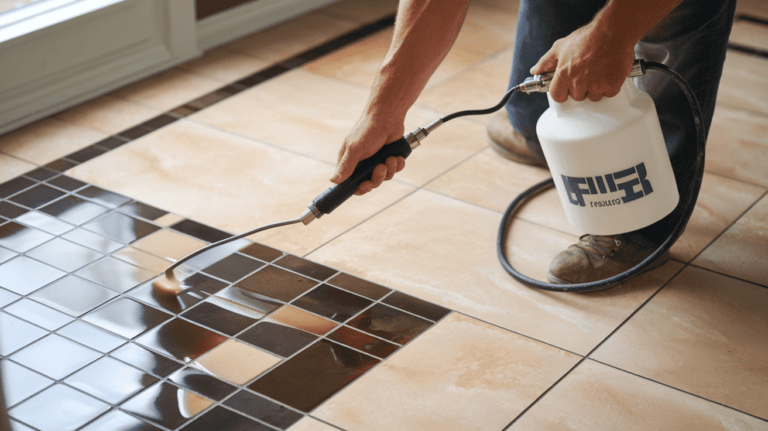
If you are resolute in your desire to attempt staining, you could experiment with a gel stain. Gel stains have a thicker consistency than traditional stains, which allows them to sit on the surface rather than penetrate deeply. Before fully committing to this approach, test the gel stain on a small, inconspicuous area to understand the potential outcome. While this method may provide a temporary illusion of colour change, it often requires frequent reapplication and may wear away quickly.
5. The Outcome: What Works and What Doesn’t
The reality is that while the idea of changing the appearance of laminate flooring through staining is enticing, many attempts may fall short. The pivotal barrier lies in the protective melamine layer, which is designed to resist both moisture and staining. Thus, success may hinge on various factors, including the specific type and brand of laminate, the product you choose, and your application technique.
Moreover, even when using alternative methods like painting, there is a risk of not achieving the desired finish. Paint can chip or wear away under heavy foot traffic, necessitating ongoing maintenance. This aspect should be factored into your decision-making process, especially if your laminate floors experience daily use.
6. Embracing Alternatives: Long-Term Solutions
Instead of pursuing staining, consider embracing other long-lasting strategies that can enhance the aesthetics of your space. Area rugs or furniture can skilfully disguise portions of your flooring while adding a pop of colour or texture to the room. Furthermore, if the existing laminate is severely worn or outdated, a full replacement may ultimately offer a more satisfying and enduring solution.
7. The Eco-Conscious Perspective
In an age where sustainability is at the forefront of consumer decision-making, it’s worth considering the environmental impact of your flooring choices. Replacement flooring, especially if sourced from eco-friendly manufacturers, can ensure that your home remains stylish while prioritising environmental health. Research companies that employ sustainable practices and materials to further align your home with contemporary ecological consciousness.
In summation, while the hypothesis of staining laminate flooring may seem appealing, the practicalities often result in disappointment. The protective melamine layer presents significant challenges, and while various alternative methods exist, they require a careful selection of materials and a commitment to maintenance. Ultimately, understanding the true nature of laminate flooring can enhance your approach and leave you with a home that reflects your unique style without compromising durability. The journey towards reimagining your flooring is laden with possibilities—some successful and others best left unexplored. Consider your options wisely, and embrace a fresh perspective on maintaining your space.
FAQ
Can laminate flooring be stained?
Not typically, due to the protective melamine layer that prevents traditional stains from penetrating.
What alternatives are there to staining laminate flooring?
Alternatives include painting with latex or acrylic paints, using colored floor wax, or considering a full replacement.

Leave a Reply