Short Answer
Pouring concrete is a fundamental aspect of construction and renovation, yet many wonder: can you pour concrete in the rain? This question poses a playful challenge to builders and DIY enthusiasts alike, igniting a discussion that marries the practical with the theoretical. While rain might herald growth and life, when it comes to concrete, it brings forth a myriad of complications that require careful consideration. This article delves into the intricacies of pouring concrete in wet conditions, unveiling the insights that seasoned builders often recommend.
To commence, it is pivotal to understand the nature of concrete. Composed of water, cement, sand, and aggregates, concrete exhibits a remarkable ability to set and harden under various conditions. However, the presence of excess moisture can jeopardise this process. Rain can dilute the components of the mix, leading to a weakened structural integrity. When rain interacts with wet concrete, it can adversely affect the cure, potentially yielding a surface that is prone to cracking and crumbling.
One must ponder: what precisely occurs when concrete is mixed with water from above? The science behind hydration is straightforward yet crucial. The chemical reaction that occurs when water and cement intermingle is known as hydration, a process that is vital for achieving the strength and durability often associated with well-poured concrete. Nevertheless, too much water can result in a phenomenon known as ‘washout’, wherein the cement particles leach away, leaving behind a subpar mixture that can hardly withstand the test of time.
Nevertheless, pouring concrete in light rain is not an unequivocal failure. Many builders contend that with proper planning and precautions, it is feasible to carry out this task even under less-than-ideal meteorological conditions. Experienced professionals advise assessing the forecast ahead of time, identifying potential wet spells, and preparing accordingly. They recommend using a tarpaulin or plastic sheets to shield the freshly poured surface during a drizzle. This proactive approach not only protects against rain but also maintains the ideal moisture balance necessary for effective curing.
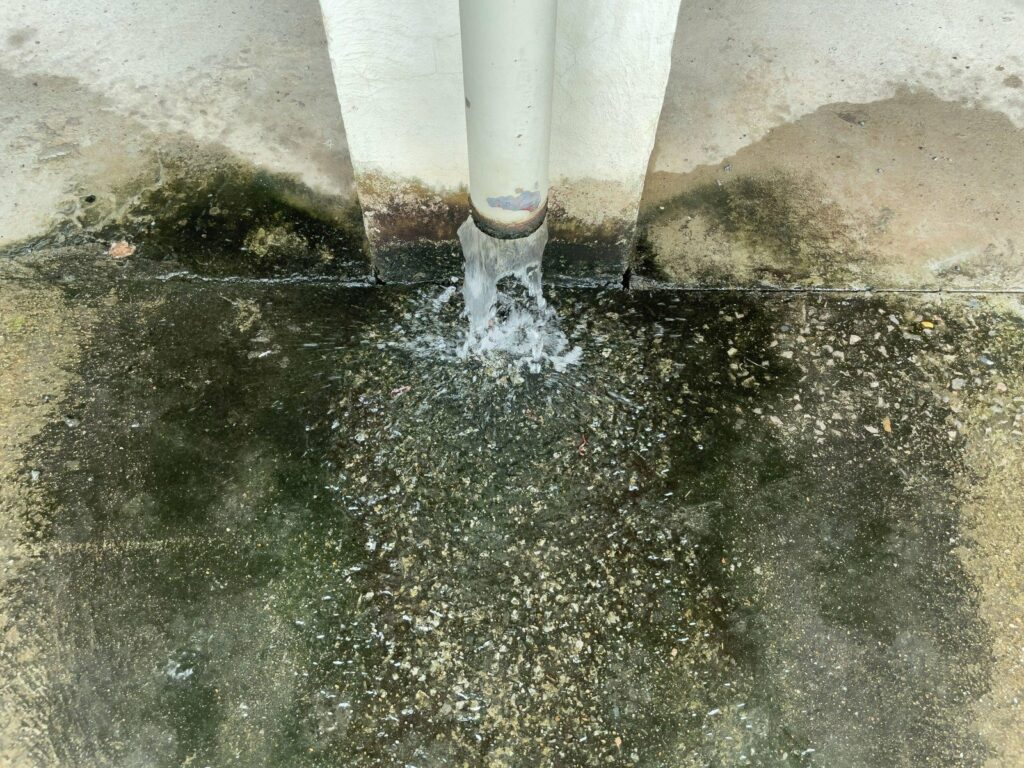
While light rain may pose minimal threat, heavy downpours are a different kettle of fish altogether. Builders assert that pouring concrete during a torrential downpour is ill-advised. The sheer volume of water can inhibit proper mixing, leading to uneven consistency. Furthermore, heavy rain can wash away freshly poured concrete, particularly before it gains sufficient strength, resulting in a scenario that no builder desires to face.
Beyond just weather considerations, one must also contemplate the age of the concrete. Fresh concrete is far more sensitive to water than hardened concrete. When concrete is newly poured—more specifically, when it is within its initial set time—it is most susceptible to damage. Builders underscore the necessity of waiting for the concrete to begin its initial set before exposing it to any moisture, a process that typically takes a few hours depending on environmental factors.
For those who must work amidst unpredictable weather, employing a technique known as ‘exposed aggregate’ can provide a buffer against the vicissitudes of nature. This method involves adding larger aggregate stones intentionally, which can help improve drainage in the event of rain, allowing excess water to flow away from the surface while still achieving a visually appealing finish.
Furthermore, builders recommend particular types of concrete mixtures specifically designed for inclement weather. For instance, products infused with additives that enhance water resistance can be utilised, substantially improving the concrete’s ability to endure exposure to rain. Techniques such as incorporating accelerators or using high-performance concrete mixtures can also prove beneficial, enabling a faster curing time that reduces the potential for rain-related damage.
As we navigate these turbulent waters, it’s prudent to consider the implications of temperature fluctuations. Cold weather and rain can spell disaster for a newly poured concrete slab. In such instances, thermally insulating the concrete with blankets or curing compounds can safeguard its integrity. This not only shields it from abrupt temperature changes but also creates a micro-climate conducive to proper curing.
Ultimately, the best course of action for builders is to undergo meticulous planning. The decision to pour concrete during rain necessitates extensive forethought, preparation, and contingency measures. Having an alternate plan—whether it be rescheduling the pour or employing protective coverings—can save significant time and resources.
In conclusion, while the question of whether you can pour concrete in the rain presents a playful yet challenging inquiry, the answer is layered with nuances. It depends largely on the quantity of rain, the age of the concrete, and the measures taken by builders to mitigate potential complications. By adhering to best practices and recommendations, one can navigate the rainy seasons of construction with confidence, ensuring that even the heaviest of downpours doesn’t spell disaster for their concrete work. The key lies not necessarily in avoiding rain entirely, but in mastering the techniques that allow for successful pours regardless of the elements.
FAQ
Is it safe to pour concrete during rain?
Pouring concrete during light rain can be safe if protective measures are taken, but it is generally unsafe in heavy rain due to quality risks.
How does rain affect freshly poured concrete?
Rain can add excess water, causing washout of cement and weakening the surface, which may result in cracking and reduced durability.
What are some builder recommendations for rain?
Assess weather forecasts, use coverings like tarps, and consider special concrete mixtures to mitigate rain impact.
What is 'exposed aggregate' technique?
A method involving larger aggregate stones to enhance drainage and surface durability in wet conditions.
How does temperature interact with rain and concrete pouring?
Cold weather combined with rain can hinder curing; insulating blankets or compounds help maintain curing conditions.


Leave a Reply