
Short Answer
In the intricate tapestry of estate planning and execution, the roles of executor and beneficiary may seem disparate at first glance. Yet, an intriguing interplay exists between these two positions, akin to the duality of a coin — two distinct sides, yet inextricably linked. This article ventures into the legal labyrinth that surrounds the question, “Can I be an executor and a beneficiary?” unraveling the complexities and clarifying the regulations that govern such situations.
Understanding the Roles
To embark on this exploration, it’s imperative to first delineate the responsibilities of each role. An executor, a fiduciary appointed to oversee the administration of a deceased person’s estate, bears a significant weight of responsibility. This role involves valuing the estate, settling debts, and distributing assets in accordance with the will’s stipulations.
In contrast, a beneficiary is a recipient of assets bequeathed through a will or trust. Their interests lie in receiving their designated share of the estate, whether it be cash, property, or sentimental items. In an estate planning landscape where motives can be suspect, the question of whether one can serve both roles becomes increasingly pertinent.
The Legal Framework
Legally speaking, it is permissible in many jurisdictions to occupy both positions. However, the specifics can fluctuate based on the local laws governing wills and estates. In England and Wales, the legal framework permits an individual to be named as both executor and beneficiary. This dual role, while permissible, necessitates a meticulous navigation of responsibilities and potential conflicts of interest.
When one acts as executor and beneficiary, it engenders a unique dynamic. The executor is bound by fiduciary duty to act impartially and in the best interests of all beneficiaries, including those not related to them—particularly if the beneficiary is also the executor. This duty becomes paramount in ensuring that the estate is administered fairly and transparently.
Potential Conflicts of Interest
The dual role can usher in unforeseen complications. Picture a tightrope walker teetering over the chasm of ethical dilemmas and conflicts of interest. Such individuals may face accusations of bias or self-dealing, particularly from other beneficiaries who may question the executor’s decisions. For instance, if assets are distributed in a manner perceived as favouritism, resentment can simmer among those left out. This necessitates that the executor remains vigilant, meticulously documenting decisions and actions to preserve integrity and transparency.
Transparency and Communication
The crux of maintaining a harmonious execution of the will lies in transparency and open communication among all parties involved. Executors who are also beneficiaries should proactively engage with other beneficiaries to discuss the administration process. This could involve sharing updates, soliciting feedback, and addressing potential concerns before they escalate into disputes.
Establishing a clear line of communication can foster trust and alleviate fears regarding mismanagement or preferential treatment. Imagine an orchestra, where each musician plays a unique part but harmonises toward a common goal. Similarly, effective communication can create a symphony of cooperation, ensuring everyone understands the process and outcome.
Ensuring Legal Compliances
In executing one’s duties, compliance with legal obligations is non-negotiable. Executing a will requires adherence to specific legal processes, including obtaining a grant of probate, which legitimises the executor’s authority to manage the estate. Beneficiary roles must also comply with tax obligations, hence making it paramount to seek advice from legal professionals or estate planners to navigate the regulatory requirements with adeptness.
Furthermore, wills must be drafted with precision to avoid ambiguities that could trigger disputes. Vague terms can morph into quagmires, muddying the waters among beneficiaries and executors alike. Therefore, engaging a solicitor or a legal expert during the drafting phase can serve as a preventative measure against future tensions.
Practical Considerations
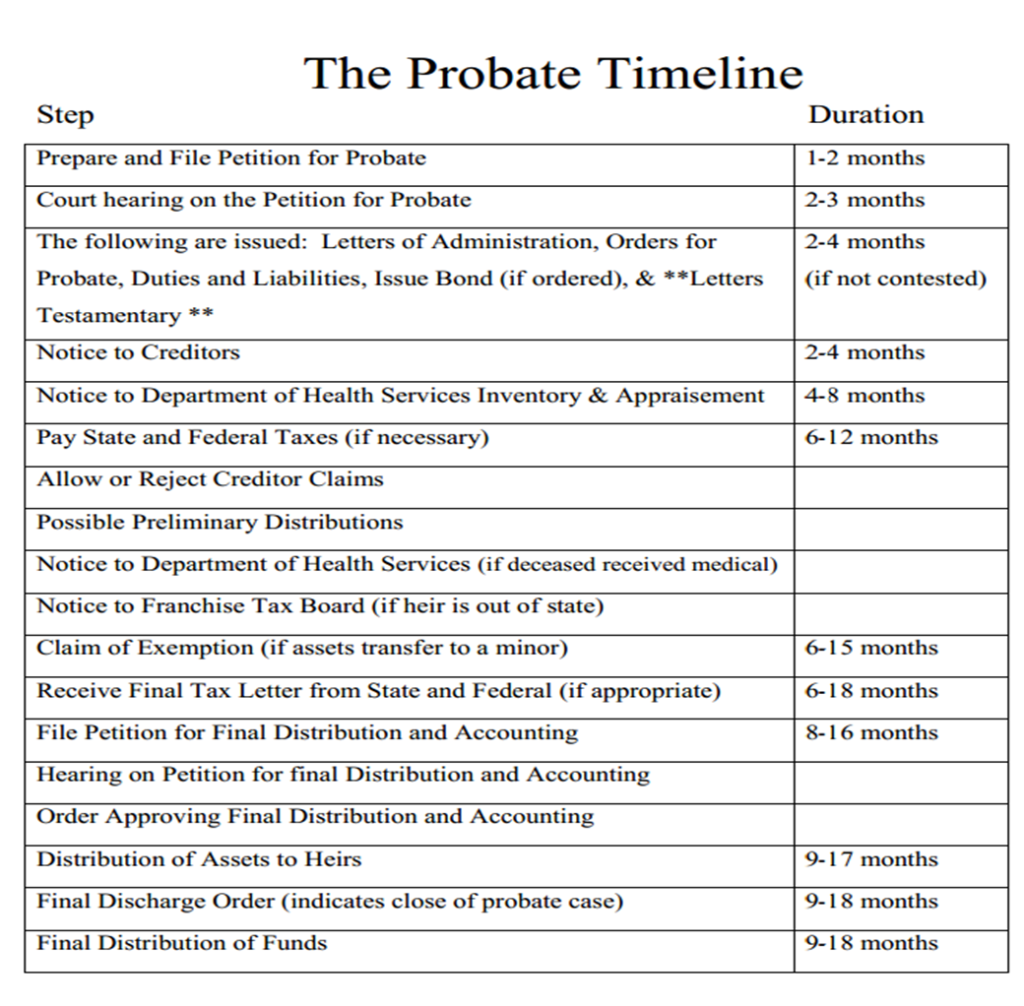
Ultimately, practical considerations abound for anyone considering taking on both roles. Understanding the timeline for estate distribution is essential; an executor typically manages debts and taxes before disbursing assets to beneficiaries. This may cause discontent among beneficiaries eager to receive their inheritance. The dual-role executor must brace for scrutiny, demonstrating both capability and impartiality throughout the administration process.
Moreover, the complexities of family dynamics play a crucial role in this decision-making process. Navigating familial emotions and histories can transform even the simplest matters into thick fogs of contention. Here, empathy and sensitivity become vital tools, helping to cultivate an environment where beneficiaries feel valued and heard.
Conclusion
In summary, the question of whether one can serve as both executor and beneficiary unfurls a landscape rich with legal intricacies and personal dynamics. While it is permissible under UK law, the potential for conflict and the burden of fiduciary duties necessitate a careful approach. Just as a gardener tends to both the delicate flowers and sturdy roots of their garden, so too must an executor-both beneficiary balance compassion with responsibility, ensuring the estate flourishes and is tended to with the utmost care. Understanding these nuances can empower individuals to navigate their unique situations with confidence, fostering a legacy imbued with fairness and clarity.
FAQ
Can the same person legally be both an executor and a beneficiary?
Yes, it is legally permissible in many jurisdictions for an individual to be both an executor and a beneficiary.
What are the responsibilities of an executor?
An executor manages the administration of the estate, including valuing assets, settling debts, and distributing assets according to the will.
What conflicts can arise when someone serves as both executor and beneficiary?
Conflicts of interest may arise, including perceptions of bias or favoritism in asset distribution.
How can conflicts of interest be minimized?
By maintaining transparency, documenting decisions, and communicating openly with all beneficiaries.
Should legal advice be sought when serving as both executor and beneficiary?
Yes, professional legal advice is strongly recommended to ensure compliance with laws and proper estate administration.


Leave a Reply