
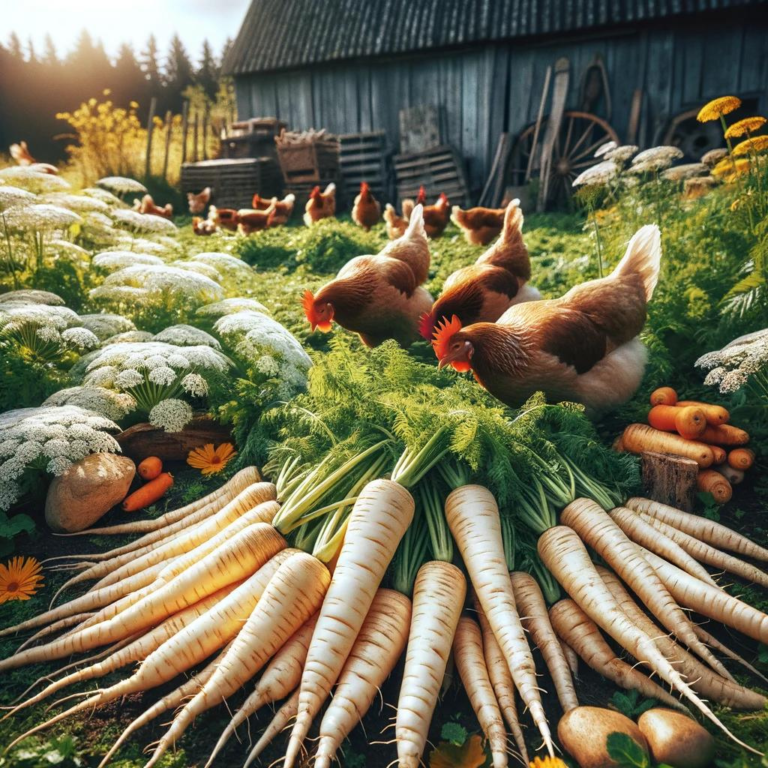
When it comes to feeding our beloved bunnies, it’s imperative to consider the safety and health implications of each food item. One vegetable that sometimes piques the curiosity of rabbit owners is the parsnip. This quaint root vegetable can be a delightful treat, but it also warrants careful examination when it comes to portion sizes and feeding safety.
Firstly, let’s delve into the nature of parsnips. These root vegetables are closely related to carrots and have a sweet, earthy flavour that many rabbits seem to enjoy. Their crisp texture can be enticing, but as with any food item, moderation is key. Understanding the nutritional profile of parsnips is crucial in determining whether they can be a regular feature in your bunny’s diet.
Parsnips are rich in vitamins, particularly vitamin C and folate, making them an attractive option for enhancing your bunny’s nutrient intake. However, they also contain relatively high levels of starch and carbohydrates when compared to other vegetables. This characteristic raises a pertinent question: how much is too much? The answer largely depends on your bunny’s overall diet and health condition.
Incorporating parsnips into your bunny’s diet can be done thoughtfully. It is vital to introduce this vegetable gradually to observe how your rabbit reacts. Begin with a small piece, roughly the size of a quarter. Monitor for any digestive changes or unusual behaviour; gastrointestinal sensitivities can vary significantly among rabbits. If your furry friend seems to adapt well, you can incrementally increase the portion.
Portion control is an essential aspect to keep in mind. As a general rule, the ideal serving size for a rabbit is about 10% of their daily vegetable intake. If your bunny’s main diet consists of hay and a small amount of pellets, you should limit parsnips to a few small chunks a couple of times a week. Overindulgence in starchy vegetables like parsnips can lead to obesity and other health issues, such as gastrointestinal stasis.
While feeding parsnips, it’s crucial to ensure that they are fresh and free from pesticides. Wash the parsnips thoroughly under running water to remove any residues before offering them to your pet. Dried or wilted parsnips should be avoided, as they can be less palatable and potentially harmful to your rabbit.
Aside from fresh parsnips, many rabbit owners often wonder about other forms of this vegetable. Cooked parsnips, for instance, should be avoided. Cooking alters the natural sugars and makes them more concentrated, which could lead to digestive disturbances in rabbits. Stick to raw parsnips for the safest feeding experience.
Moreover, understanding the signs of a healthy digestive system is paramount. A rabbit’s digestive tract operates optimally with a constant influx of fibre. Introducing certain crunchy veggies can provide variety, but should always be complemented with a hay-based diet. Any signs of discomfort, bloating, or changes in stool should prompt an immediate reassessment of diet. It could indicate that parsnip portions have exceeded safe limits.
In addition to portion sizes and types of parsnips, monitoring your bunny’s overall health is vital. Rabbits that suffer from certain conditions, such as obesity or diabetes, should refrain from eating high-starch foods entirely. Always consult with a veterinarian if you are uncertain about incorporating any new food into your rabbit’s diet. They can provide valuable insights tailored to your bunny’s specific health needs.
If you are looking for further nutritious vegetable alternatives, consider leafy greens such as kale or romaine lettuce. These are generally well-received by rabbits and can contribute positively to their diet without the risks associated with starchy vegetables. Remember, variety is not only the spice of life but also essential for a well-rounded diet.
In conclusion, while bunnies can indeed eat parsnips, it is of paramount importance to approach this with caution. Focus on introducing parsnips in moderation, keeping a close eye on your pet’s dietary patterns, and ensuring that their primary nutrition comes from hay. Understanding your rabbit’s individual needs will not only help in satisfying their palate but will also foster a long and healthy life.
Ultimately, the joy of having a pet bunny is magnified by taking the proper steps to ensure their health and happiness. A well-informed rabbit owner makes for a thriving rabbit companion! By adhering to these guidelines, you’ll be well on your way to sharing safe and tasty vegetable snacks with your furry friend.







Leave a Comment