Short Answer
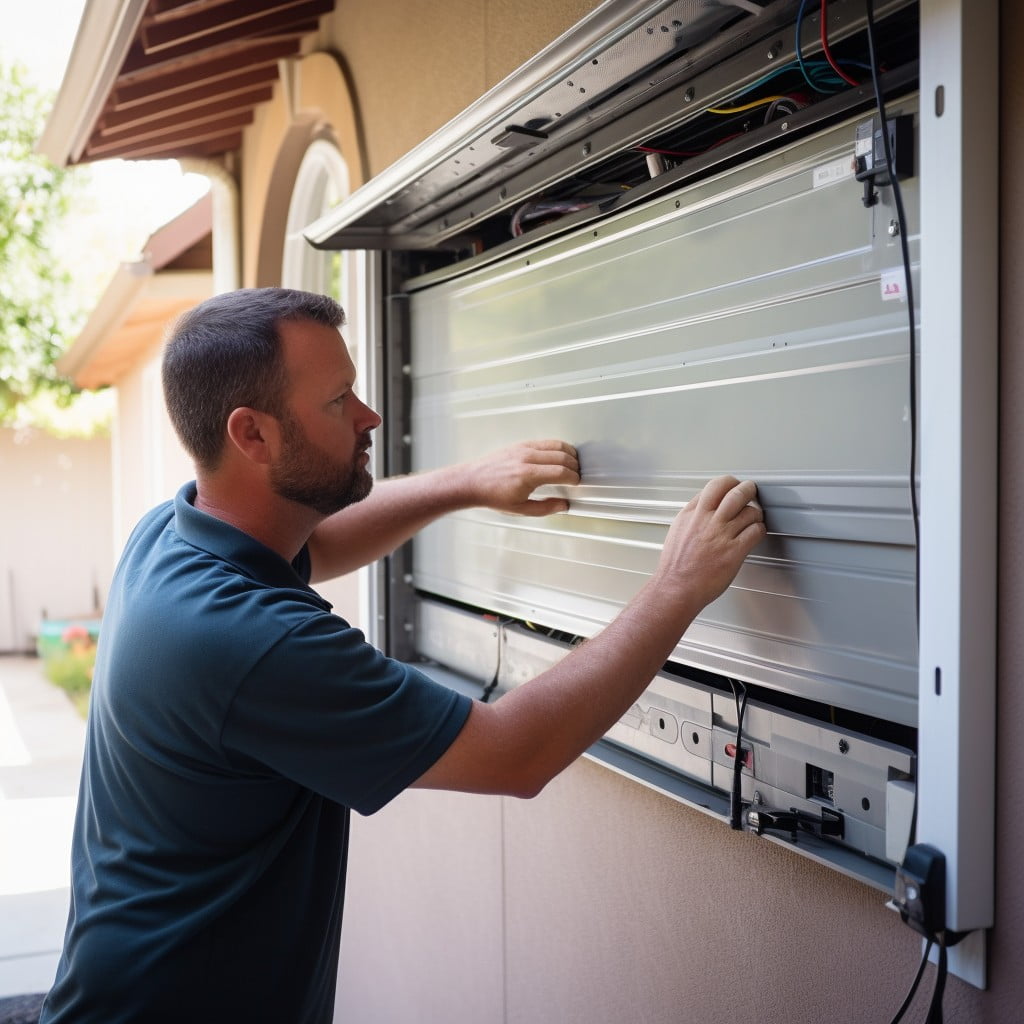
Is your garage door lock giving you a headache? Whether it’s due to wear and tear or a newfound concern for security, changing the lock on your garage door can seem like a daunting task. However, with the right tools and a sprinkle of determination, it can be accomplished with flair and finesse! Herein lies an extensive, step-by-step guide to transform your locking mechanism while ensuring the safety of your prized possessions.
1. Assessing the Necessity of Change
Before embarking on this DIY odyssey, it’s prudent to ascertain whether a lock change is necessary. Is the current lock unresponsive or does it show signs of rust? In certain instances, a mere lubrication might restore its functionality. If security is your concern, consider whether the existing lock provides adequate protection against potential intruders. If you answer “yes” to any of these queries, it may be time to upgrade!
2. Selecting the Right Lock
Garages come in various shapes and sizes, and so do locks. It’s imperative to choose a lock that dovetails perfectly with your garage door system. There are several options available—deadbolts, smart locks, or traditional keyed locks. While a deadbolt offers enhanced security, smart locks can provide convenience, allowing for entry without the need for keys. Analyse your needs and select accordingly. Remember, the most expensive lock isn’t always the best; consider durability and ease of use as well.
3. Preparing Your Workspace
Like any DIY project, preparation is key. Gather all necessary tools before you venture forth. You’ll need: a screwdriver (usually both Phillips and flat-head), a wrench, a drill (if bolts require installation), and safety glasses. By creating a tidy workspace, potential mishaps can be minimised as you delve into this home improvement project.
4. Removing the Old Lock
First things first, ensure your garage door is completely closed. This not only enhances safety but also prevents the door from sliding about during the process. Begin by scrutinising the existing lock for screws that may be holding it in place. Using the appropriate screwdriver, slowly unscrew these and gently detach the lock from the door. If you encounter resistance, don’t force it; a gentle nudge or additional unscrewing might be necessary.
5. Preparing the Door for New Lock Installation
After removing the old lock, take a moment to inspect the area. Is there any damage to the door that needs attention? Minor scratches can be remedied with wood filler or paint, ensuring a clean slate for the new lock. If the old lock has left any residue, clean the surface thoroughly, allowing for a seamless installation. This attention to detail will elevate the final appearance and functionality.
6. Installing the New Lock
Now comes the exciting part! Position the new lock in the hole where the old one resided. Carefully align it, ensuring it’s straight and fitting snugly. If your new lock requires screws for installation, secure it in place with the screwdriver, taking care not to overtighten, as this could damage the lock or door. If drilling is required for a new bolt, mark the holes and drill with precision. Always wear safety goggles during drilling to protect your eyes from debris.
7. Testing the Lock
With the new lock firmly in place, it’s time for a test run. Lock and unlock the mechanism several times to ensure it is functioning correctly. Obstacles can arise, be it misalignment or tighter-than-expected fittings. Adjust as necessary, as a lock that doesn’t work smoothly is of little value. Also, remember to test it from the garage’s exterior to ensure you haven’t overlooked anything.
8. Enhancing Security Features
As you bask in the satisfaction of your newly installed lock, consider supplementary security measures. Reinforce your garage door with a sturdy strike plate that can withstand forceful impacts. For those who lean towards digital sophistication, think about integrating a smart lock system that offers remote access or biometric scanning. Improved lighting around your garage can also act as a deterrent against unwelcome visitors.
9. Regular Maintenance
Having completed the installation, don’t let your efforts fade into obscurity. Regular maintenance of your garage lock is essential for longevity. Schedule periodic checks, clean dust and debris, and lubricate where necessary. By doing so, you’ll not only prolong the life of your lock but also ensure peace of mind regarding your garage’s security.
10. Conclusion: Triumph Over the Lock Challenge!
Changing the lock on your garage door doesn’t have to be an insurmountable challenge. By following these comprehensive steps, you can transform a potentially complex task into a rewarding experience. Embrace the joy of DIY, knowing that a little effort can significantly enhance your home’s security. So, why not tackle that lock challenge today? Your garage—and your belongings—will thank you!
FAQ
How do I know if I need to change my garage door lock?
You should consider changing your garage door lock if it is unresponsive, rusty, or if you feel the current lock does not provide sufficient security.
What types of locks are best for garage doors?
Common options include deadbolts for enhanced security, traditional keyed locks, and smart locks that offer convenience with keyless entry.
What tools are required to change a garage door lock?
Typical tools include screwdrivers (Phillips and flat-head), a wrench, a drill (if bolts need installation), and safety glasses.
How often should I maintain my garage door lock?
Regular maintenance should be performed periodically, including cleaning, lubrication, and inspection to ensure the lock functions properly and lasts longer.




Leave a Reply