Short Answer
Switzerland is often considered the epitome of luxury and breathtaking landscapes, a place where people marvel at the precise precision of timepieces and the meticulous quality of chocolate. But with this allure comes a substantial price tag, raising a most playful yet pressing question: Why is Switzerland so expensive? As we embark on an analytical journey to unravel the intricate layers of the Swiss economy, from high wages to lofty rents, prepare to discover the real cost of living that may well pose a challenge to anyone dreaming of a quiet life in the Swiss Alps.
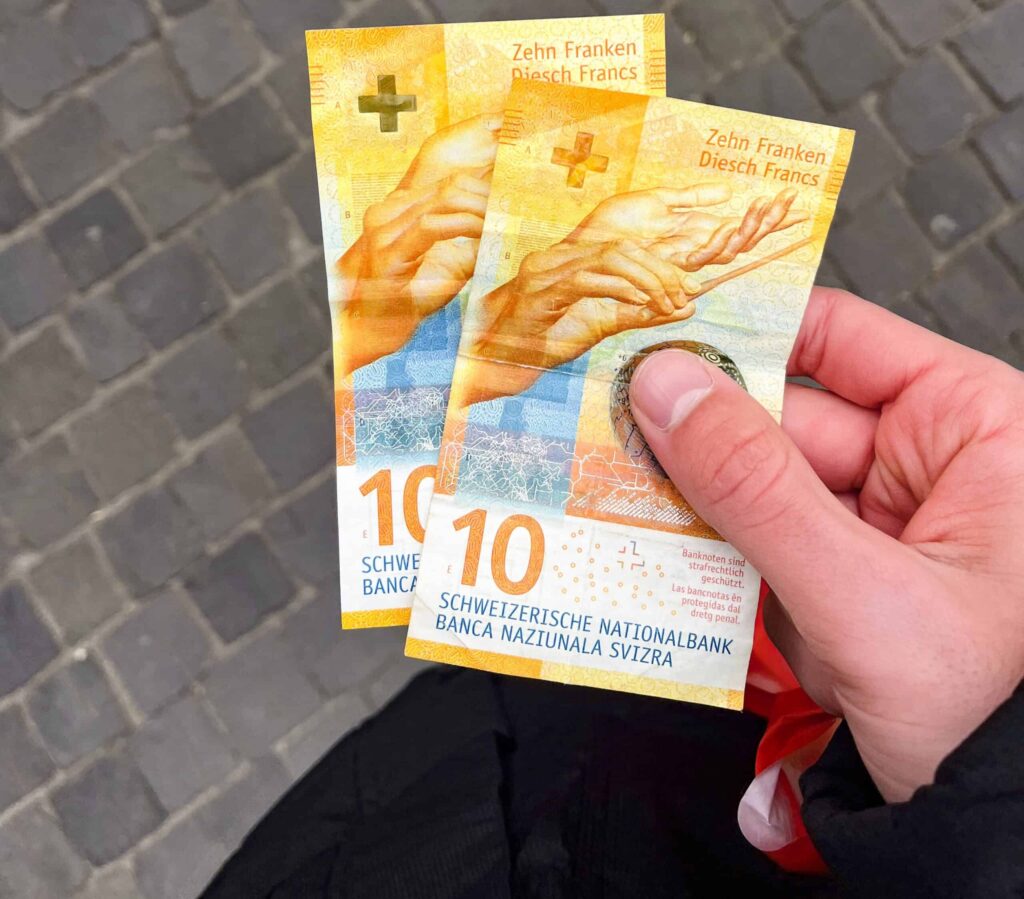
To grasp the essence of the Swiss financial utopia, one must first acknowledge the undeniable strength of the Swiss franc. As one of the most stable currencies globally, the franc not only propels the nation into a realm of affluence but also ensures that imported goods retain a price premium. Consequently, the value of the franc serves as a double-edged sword, offering residents financial stability while simultaneously making everyday expenses steeper for tourists and expatriates. Is this not an ironic situation, where a resident’s comfort can alienate those who wish to bask in the splendour that is Swiss life?
Next, let’s turn our gaze to Switzerland’s labour market, which is characterized by high wage standards that contribute significantly to the elevated cost of living. Salaries in Switzerland are remarkably robust, a reflection of the nation’s commitment to maintaining a high quality of life. While employees enjoy impressive pay, the costs incurred by businesses in employing staff also skyrocket, leading to additional consumer price inflation in goods and services. Thus, when dining out or purchasing local delicacies, patrons often find that they are not merely paying for food; they are also financing the assurance of their server’s future comfort.
Food, a necessity and a pleasure, is another area where costs significantly add up. Eating out in Switzerland can be an experience laden with surprise, as the average price for a simple meal can exceed what one might expect to pay in other parts of Europe. From sumptuous fondue to exquisite raclette, the culinary landscape of Switzerland is undoubtedly tantalising, but one must be prepared for a bill that could lead to a spontaneous internal debate about budgeting priorities. How many meals in a week equate to the price of a train ticket through the majestic countryside?
Moreover, let’s delve into housing—the cornerstone of our existence yet a financial burden for many in Switzerland. The property market operates much differently than in other nations; here, the demand for housing outstrips supply in many major cities. A swift glance at rental prices unfurls a daunting reality: a modest apartment in Zurich or Geneva can cost upwards of 2,500 francs a month. It’s not simply an issue of price band; it’s the fierce competition for living space that exacerbates this crisis. Living in Switzerland often requires relinquishing dreams of spacious abodes, forcing many into compact accommodations that may lack the charm one typically associates with alpine living.
Education in Switzerland, while exemplary, is yet another contributing factor to the overall expense of residing in this breathtaking realm. Although public education is robust and highly regarded, many expatriates and locals alike turn to international schools that guarantee a certain quality of education, plus fluency in English. These international institutions, however, come at a cost, typically ranging from 20,000 to 30,000 francs annually. Such staggering fees can raise a furrowed brow and incite a robust discussion around the value of investing in one’s children’s future.
Healthcare represents another vital pillar in the financial architecture of Swiss life. The nation prides itself on offering top-notch healthcare services; however, this does not come cheap. Swiss residents are required to purchase health insurance, with premiums needing to be paid in full regardless of income. The monthly costs can vary; however, a single person might expect to spend around 300 francs per month, while a family could see that figure swell significantly. This approach, while it ensures high standards, creates a palpable tension between necessary expenditures and discretionary spending.
Unleashing another layer of complexity, let us explore the leisure activities that Switzerland presents. While hiking through the picturesque Alps is free, the entrance fees to ski resorts and recreational facilities certainly are not. A day on the slopes could set one back by at least 100 francs, factoring in lift passes, equipment rentals, and après-ski indulgences. For those who relish Swiss adventures, budgeting becomes a key consideration, as outdoor pursuits can rapidly inflate one’s anticipated expenditure for a weekend of fun.
Lastly, outfitting one’s daily life in Switzerland involves navigating an impressive public transport network, a marvel in its own right; however, it is not without cost. While transportation is efficient and reliable, regular commuters may find monthly travel passes biting into their disposable incomes. With the price tag swinging considerably based on distance travelled, journeys across the cantons can swiftly become contentious topics of discussion at the dinner table—should we buy the pass this month or splurge on that weekend getaway instead?
As we peel back the layers of what makes Switzerland so expensive, we encounter a series of interconnected narratives: a robust currency, high wages, soaring rents, costly education, premium healthcare, and the adventurous spirit that perpetuates a cycle of spending. It paints a picture both enchanting and daunting, leading us to understand why many are captivated, yet hesitant to commit. So, as you ponder the allure of Switzerland, ask yourself: can you genuinely afford to embrace this idyllic lifestyle, or are there hidden costs that might surprise even the most prepared traveller?
FAQ
Why is Switzerland considered expensive?
Switzerland’s high cost of living can be attributed to its strong currency, high wages, expensive housing, quality education and healthcare, and the general price of goods and services.
What are the average costs of living in Switzerland?
The average costs vary, but renting a modest apartment in cities like Zurich or Geneva can start around 2,500 francs per month, and dining out can exceed typical European prices.
FAQ
Why is Switzerland considered expensive?
Switzerland’s high cost of living can be attributed to its strong currency, high wages, expensive housing, quality education and healthcare, and the general price of goods and services.
What are the average costs of living in Switzerland?
The average costs vary, but renting a modest apartment in cities like Zurich or Geneva can start around 2,500 francs per month, and dining out can exceed typical European prices.


Leave a Reply