Short Answer
When it comes to fire safety, knowledge is power. Among the array of fire extinguishing devices, water extinguishers are ubiquitous, yet their operation often remains shrouded in mystery for many. Understanding how water extinguishers work could spell the difference between chaos and calm in a crisis. Let’s delve into the nitty-gritty of these extinguishers, exploring their mechanisms, effective use, and the fundamentals of fire safety everyone should be conversant with.
The Anatomy of Water Extinguishers
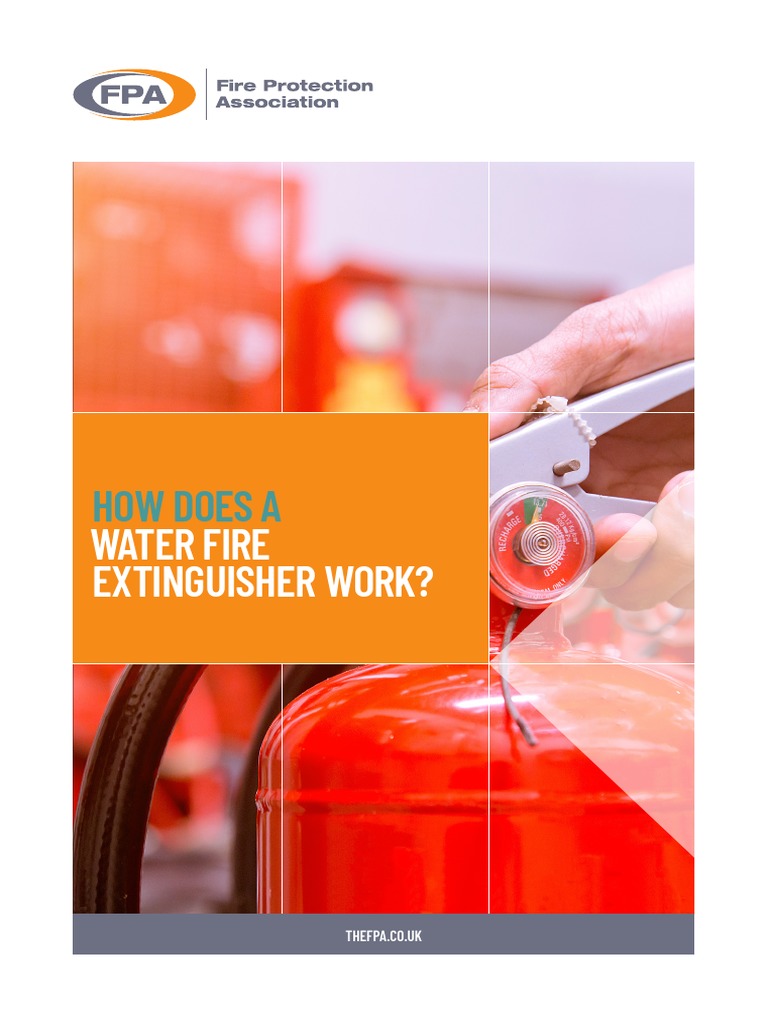
Water extinguishers, as the name suggests, utilize water as the primary means of dousing flames. This type of extinguisher typically consists of several key components: a sturdy metal cylinder, a handle, an operating mechanism to release the water, and a nozzle that directs the flow. The entire assembly is pressurised, ensuring that when the nozzle is squeezed, a potent stream of water is propelled forth. This simple yet effective design has made water extinguishers a staple in many environments.
How They Work: The Science Behind Water Extinguishing Fires
To comprehend how water extinguishers function, one must first grasp the basic chemistry of fire. Fire necessitates three elements: fuel, heat, and oxygen, often referred to as the fire triangle. Water extinguishers operate by tackling two elements of this triangle — heat and oxygen. When sprayed onto a burning material, water serves to cool down the temperature, thereby reducing the heat. Simultaneously, it disperses oxygen around the flames, disrupting the combustion process and consequently extinguishing the fire.
But it is not merely a matter of dousing flames with water; its efficacy is contingent on several factors. Water is most effective on Class A fires, which involve ordinary combustible materials such as wood, paper, and textiles. However, its use in environments with flammable liquids (Class B fires) or electrical hazards (Class C fires) could be catastrophic. Herein lies the pivotal consideration: knowing which type of fire extinguisher to deploy in a given situation can save lives and property.
Operational Techniques: Mastering the Use of Water Extinguishers
Upon reaching for a water extinguisher, clarity of purpose is paramount. First, remember the acronym PASS, which delineates the essential steps for effective use:
- Pull: Disengage the safety pin by pulling it firmly.
- Aim: Direct the nozzle at the base of the flames, not at the flames themselves.
- Squeeze: Firmly press the handle to unleash the water.
- Sweep: Move the nozzle side to side, ensuring the water covers the base of the fire comprehensively.
It’s crucial to maintain a safe distance from the fire while operating the extinguisher. Furthermore, continual assessment of the fire’s behaviour is necessary. If the flames do not abate after a few moments, retreat to safety and activate the fire alarm or call emergency services.
Maintenance is Key: Ensuring Your Water Extinguisher is Ready
Like any emergency device, water extinguishers require routine maintenance to remain functional. This encompasses regular inspections, at least once a month, to ensure that:
- The pressure gauge indicates proper pressure.
- The exterior is free from corrosion or signs of wear.
- The nozzle is unobstructed and operational.
Additionally, it’s advisable to undergo a more comprehensive service annually, conducted by professionals who can test the extinguishing agent and replace it if necessary.
Understanding the Limitations of Water Extinguishers
While water extinguishers are invaluable tools in combating certain types of fires, their limitations must not be overlooked. As mentioned earlier, they are ineffective against Class B and Class C fires. In scenarios involving flammable gases or electrical hazards, deploying water could lead to a dangerous situation, potentially exacerbating the fire or causing electrical shock. Thus, recognising when to utilise a water extinguisher is as critical as the act of using it.
Fire Safety Education: A Collective Responsibility
Ultimately, fire safety education should extend beyond the practicalities of using an extinguisher. It encompasses a broader understanding of how to prevent fires in the first place. Identifying potential hazards, implementing safe practices in the workplace and at home, and conducting regular fire drills can culminate in a culture of safety that mitigates risk.
Moreover, fostering open dialogue about fire safety can empower individuals, enabling them to face emergencies with knowledge and confidence. It is this collective responsibility and awareness that allow communities to thrive without succumbing to the devastation that fire can wreak.
In Conclusion: Empower Yourself with Knowledge
Grasping the workings of water extinguishers transcends mere curiosity; it imbues individuals with the knowledge necessary to act decisively in the face of adversity. As commonplace as these tools may be, understanding their appropriate application, maintenance, and limitations can cultivate a proactive approach to fire safety. When armed with this knowledge, individuals become not just passive observers but active participants in the preservation of safety. Thus, remain vigilant, educate yourself, and remember: the more you know, the safer you and your loved ones will be.
FAQ
What types of fires can water extinguishers be used on?
Water extinguishers are most effective on Class A fires, which involve ordinary combustible materials like wood, paper, and textiles.
How often should water extinguishers be inspected?
Water extinguishers should be inspected at least once a month and undergo a more comprehensive service annually by professionals.
What is the PASS technique for using a water extinguisher?
The PASS technique stands for Pull the pin, Aim at the base of the flames, Squeeze the handle, and Sweep the nozzle side to side.



Leave a Reply