Short Answer
The Festival of Lights is a radiant tapestry woven from the threads of varied cultures, traditions, and gastronomic delights. This vibrant celebration, cherished across the globe, showcases a plethora of customs and rituals that illuminate the hearts of millions. From the flickering flames of diyas to the vibrant colours adorning homes and streets, this festival transcends mere illumination; it is a tribute to joy, hope, and renewal. In this exploration, we will delve into the multitude of traditions, foods, and celebratory customs associated with the Festival of Lights.
To commence this journey, one cannot overlook Diwali, the most prominent and widely celebrated Festival of Lights, predominantly observed in India and by Indian communities worldwide. Known as the “Victory of Light over Darkness,” Diwali sees households adorned with an abundance of diyas (oil lamps) and colourful rangoli patterns. The lighting of lamps signifies the dispelling of ignorance and the arrival of prosperity and enlightenment. Families gather to offer prayers to Goddess Lakshmi, the deity of wealth, seeking her blessings for the coming year. This occasion is replete with rituals, such as the traditional cleansing of homes to welcome positive energies and the festive wearing of new clothes, symbolising new beginnings.
As night falls, the spectacle of fireworks adds an electrifying dimension to the festivities. The dazzling displays illuminate the skies, echoing the enthusiasm of participants and creating an atmosphere of jubilation. These fireworks, symbolising the triumph of good over evil, evoke a sense of wonder and serve as a reminder of the age-old legends that inspire such celebrations.
Moving westward, we encounter Hanukkah, also known as the Festival of Lights in the Jewish tradition. This eight-day festival celebrates the rededication of the Second Temple in Jerusalem. The lighting of the menorah, an eight-branched candelabrum, commemorates the miracle of the oil that lasted eight days. Each night, one additional candle is lit, gradually filling the space with warmth and illumination. Families engage in prayers, spin the dreidel, and recite blessings, fostering a sense of community and spirituality throughout this significant time.
Food plays a central role in both Diwali and Hanukkah, with each festival boasting an array of delectable treats that tantalise the taste buds. During Diwali, sweets such as ladoos, gulab jamun, and barfi adorn tables, each bite a delightful representation of tradition and culture. These confections, often made from gram flour, sugar, and sweetened condensed milk, are indulgent and decorated with nuts and saffron, embodying the richness of Indian culinary heritage.
In contrast, Hanukkah brings forth delights such as latkes (potato pancakes) and sufganiyot (jelly-filled doughnuts), all fried in oil to commemorate the miracle of the oil. The preparation and sharing of these dishes reinforce familial bonds, transforming meals into memorable gatherings steeped in tradition. The act of cooking and sharing these delicacies adds warmth and unity to the celebrations, echoing the season’s spirit of togetherness.
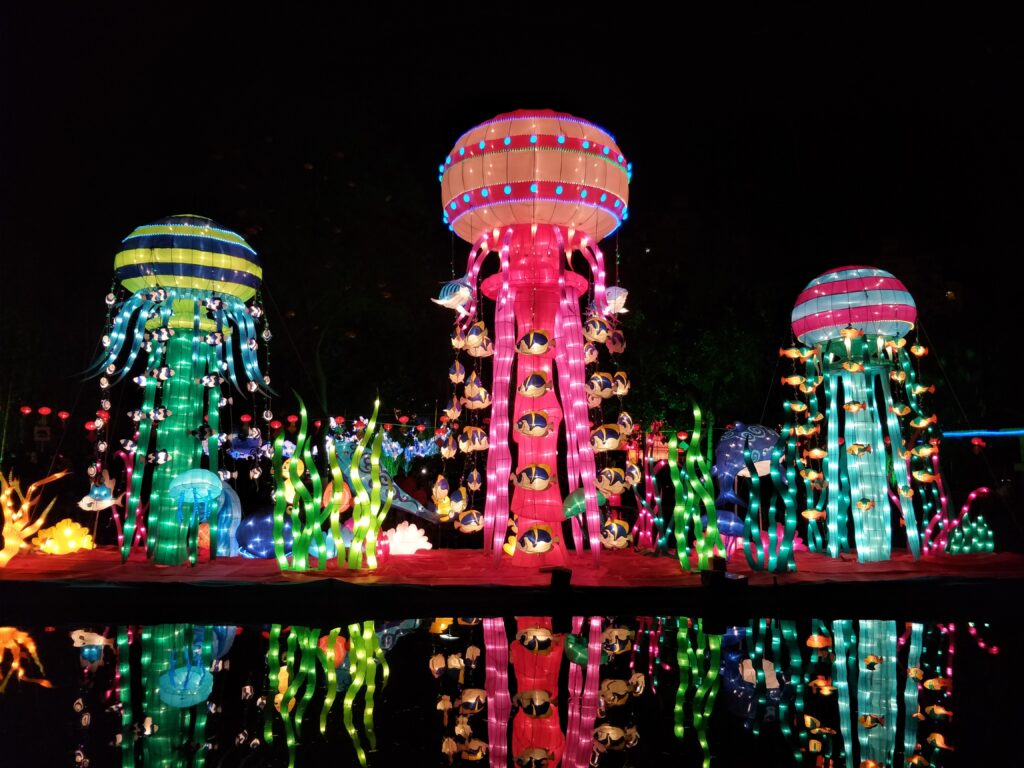
In addition to these prominent celebrations, the Festival of Lights also shines through the enchanting celebration of the Chinese Lantern Festival. Signifying the end of the Lunar New Year celebrations, this festival captivates with dazzling displays of intricate lanterns decorating the night sky. Lanterns of multifarious shapes and sizes are crafted, symbolising enlightenment and the hope for a prosperous future. People gather to enjoy various cultural activities, including lion dances and traditional performances, creating a vibrant atmosphere filled with joy and community spirit.
Alongside lanterns, the culinary offerings during this festival include tangyuan — glutinous rice balls filled with sweet or savoury fillings. These symbolize reunion and togetherness, reflecting the essence of family as everyone participates in the preparation and enjoyment of the meal. The texture and sweetness of tangyuan serve as reminders of the warmth and love that bind families together, especially during festive times.
Across cultures, despite the different customs, the essence of the Festival of Lights remains constant: the promotion of unity, joy, and reflection. As seen in the celebration of Kwanzaa, a festival rooted in African-American culture, the illumination of candles serves to honour ancestral traditions with each candle representing one of the seven principles of Kwanzaa. Each evening, a candle is lit, encouraging families to reflect upon the values of unity, self-determination, and creativity while sharing stories and indulging in traditional meals that encapsulate their heritage.
The intersection of traditions and cultural values further embellishes the Festival of Lights, where diverse perceptions of illumination converge into a singular celebration of light. Each festival evokes a myriad of emotions, inviting people to reflect, celebrate, and connect with others. It inspires a unified appreciation of heritage and community, transcending geographical boundaries.
In conclusion, the Festival of Lights emerges as an extraordinary confluence of various traditions, gastronomic experiences, and communal celebrations. Each festival, whether it be Diwali, Hanukkah, the Lantern Festival, or Kwanzaa, encapsulates invaluable lessons of hope, unity, and resilience. As people partake in these enchanted celebrations, they not only illuminate their surroundings but also the hearts of those they cherish, creating a timeless reminder that in the face of darkness, light prevails. Thus, the Festival of Lights delights not only in its visual splendor but also in the rich tapestry of traditions, flavours, and sentiments that resound through the ages.
FAQ
What is the Festival of Lights?
It is a term used to describe various cultural festivals that celebrate light as a symbol of hope, renewal, and unity.
Which festivals are known as the Festival of Lights?
Notable festivals include Diwali, Hanukkah, the Chinese Lantern Festival, and Kwanzaa.
What foods are traditionally eaten during these festivals?
Traditional foods vary but include Indian sweets like ladoos and gulab jamun, Jewish latkes and sufganiyot, and Chinese tangyuan.
Why do these festivals emphasize lighting candles or lamps?
Lighting candles or lamps symbolizes the victory of light over darkness and good over evil, fostering hope and spiritual reflection.

Leave a Reply