Short Answer
Birds, those ethereal architects of the skies, often surprise us by choosing the most unexpected havens to construct their abodes. Among the most peculiar of locations are roofs, where feathered families find refuge in the most unconventional nooks and crannies. These avian tenants transform ordinary structures into lively ecosystems, echoing the timeless dance of nature against the backdrop of human habitation. Exploring the nuances of birds nesting in roofs not only captivates the imagination but also demands a discerning approach for effective management.
Identifying the birds that are likely to take up residence in your eaves or gaps is essential for understanding their behaviours and needs. The most common culprits include sparrows, starlings, and pigeons—all species that exhibit a penchant for urban living. Each of these birds presents its own tapestry of traits, each thread woven with distinct behaviours and preferences when it comes to nesting.
First, consider the House Sparrow, a small but boisterous bird characterised by its muted brown plumage, accented with a distinctive black bib on the males. These social creatures often congregate in flocks, making their presence known by a cacophony of chirps. House Sparrows are opportunistic builders, favouring tightly packed places where they can secure their nests safely away from predators. This makes roofs and soffits particularly appealing to them.
Next, gaze upon the Starling, a bird whose plumage shimmers with an iridescent quality that betrays an otherwise unassuming stature. Often found in large groups, the starling’s melodious chirping can be both enchanting and disconcerting. Their nesting habits are equally complex; they typically build their nests in cavities, making roofs, vents, and chimneys not only appealing but handy for creating a secure home for their young.
The ubiquitous Pigeon, meanwhile, embodies the duality of urban life—capable of both elegance and scavenging. These resilient birds often opt for roofs as nesting sites due to the abundance of copious ledges and nooks that mimic their natural habitat of cliff ledges. The presence of pigeons may be endearing to some and a nuisance to others, depending on the circumstances.
As homeowners encounter these avian residents, many may seek to understand the implications of bird nests in roofs. Beyond the aesthetic considerations, there are practical concerns to address. Bird droppings can pose health risks and cause structural damage, while nesting materials may clog gutters and downpipes, leading to water damage. Thus, monitoring becomes paramount, a delicate ballet between harmony with nature and safeguarding one’s domicile.
Identifying and removing birds from roofs requires a considerate approach that combines knowledge with responsible action. Start by inspecting the area for signs of nesting, such as twigs, feathers, and droppings. Pay attention to the time of year; spring heralds the beginning of the nesting season, and activities will peak during warmer months. It’s crucial to tread lightly during this period, as many birds are protected under local and national laws.
If nesting sites are discovered, patience is your ally. Many species will abandon their nests once the young have fledged. If removal becomes necessary, and especially if the nests contain eggs or chicks, it is advisable to consult wildlife professionals. They possess the expertise to handle the situation with care, ensuring that the delicate balance between human habitation and avian life is maintained.
Should you find yourself needing to deter birds from nesting on your property, consider implementing preventative measures that discourage their interest. Installing bird spikes, using netting, or employing auditory deterrents can be effective strategies. Additionally, maintaining the cleanliness of your roof and surrounding areas diminishes the allure of potential nesting. The key lies in proactive measures rather than reactive ones—much like cultivating a garden, a little forethought can yield a harmonious coexistence.
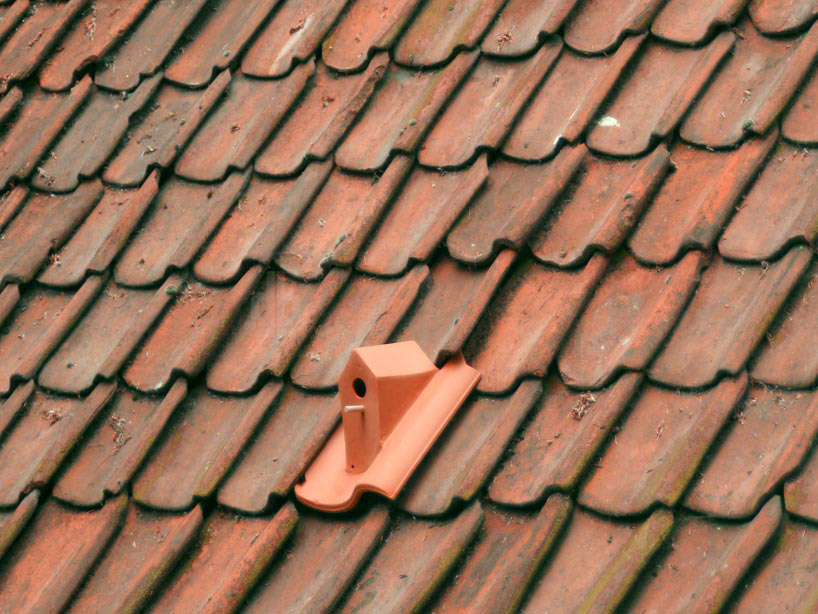
Alternatively, if birds have already chosen your roof as their sanctuary, creating alternative nesting options can be a wonderful compromise. Birdhouses or nesting tiles, specifically designed to provide safe habitats for these creatures, can entice them away from vulnerable spots. The Birdhouse Rooftile, for example, cleverly integrates with the architecture of the roof, allowing birds to nest securely while adding a touch of whimsy to your home’s exterior.
In the grand theatre of nature, the interaction between humans and birds nesting in roofs plays out like a well-rehearsed drama, steeped in the joys and challenges of shared living spaces. The melodies of chirping echo the trials of urban life while reminding us of the fragility and beauty inherent in nature’s design. By understanding these avian visitors, we enrich not just our own lives but also the diverse tapestry that adorns our urban environments.
As custodians of our living spaces, we must embrace the complexities of our urban ecosystems with a blend of awe and responsibility. The birds that nest in our roofs serve as poignant reminders of the intricacies of life that exist beyond the boundaries of our homes. They champion the spirit of resilience, adaptability, and the age-old struggle between nature and urbanity—a narrative that invites us to play an active role in preserving the harmony of our shared world.
FAQ
Which birds commonly nest in roofs?
Common roof-nesting birds include house sparrows, starlings, and pigeons, all of which are adapted to urban environments and seek shelter in roof eaves, vents, and ledges.
Are birds that nest in roofs harmful?
Bird nests can cause structural damage to roofs, clog gutters, and their droppings may pose health risks, making monitoring and management important.
How can I safely remove birds nesting on my roof?
It is best to consult wildlife professionals for removal, especially during nesting seasons, to comply with legal protections and ensure humane treatment.
What are effective ways to prevent birds from nesting on roofs?
Preventative measures include installing bird spikes, netting, auditory deterrents, and maintaining roof cleanliness to discourage nesting.


Leave a Reply