Short Answer
Splint treatment for horses can be a daunting topic for many equestrians, leaving them pondering: what if my horse suffers from this condition? How can I ensure a swift recovery? The prospect of navigating a horse’s recuperative journey can be both intriguing and intimidating, yet with the right information, you can emerge successfully on the other side. This article serves as a comprehensive guide, detailing the intricacies of splint injuries in horses, their treatment, recovery times, and care strategies.
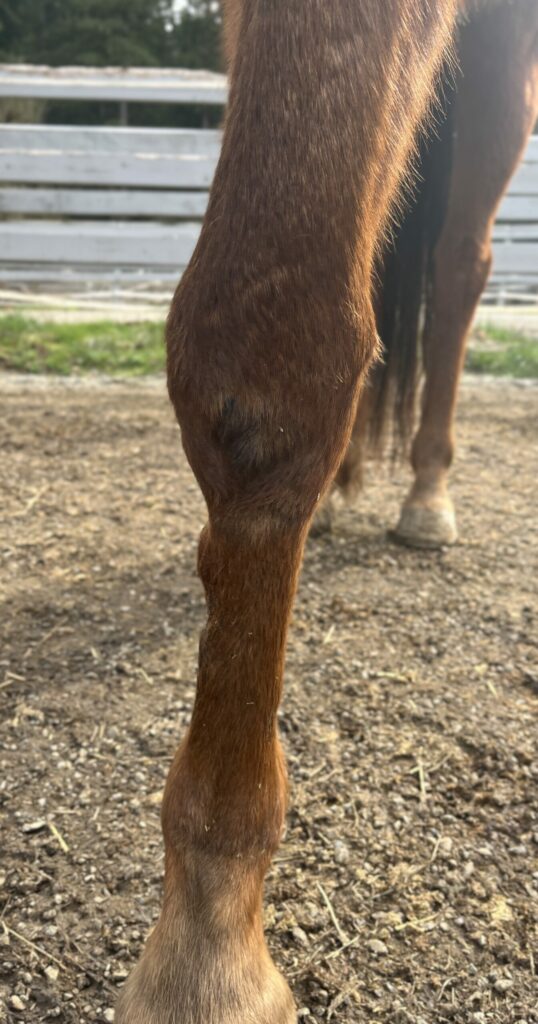
Firstly, let’s delve into what a splint injury actually is. The term ‘splint’ originates from the splint bones—specifically, the second and fourth metacarpal (or metatarsal) bones situated in the horse’s leg. These bones often endure significant adhesive stress from galloping, jumping, or general strenuous activities, resulting in inflammation. Simple enough, right? However, what happens when inflammation escalates into a full-blown injury?
One of the common complications following a splint injury is lameness, which can pose a challenge for horses during their training and competitions. The tenderness and swelling may cause them to favour one leg over the other, leading to altered biomechanics that could result in further complications. So, what exactly constitutes the initial measures for addressing a splint injury?
Upon noticing signs of swelling along the splint bones, the immediate course of action should involve rest. The degree of activity should be diminished significantly, allowing the horse to recover without exacerbating the injury. Concurrently, consider applying cold therapy, such as ice packs, to the affected area. This process reduces swelling and minimizes pain, giving the horse some initial relief. Yet, cold therapy is merely the first step in a multi-faceted treatment approach.
The use of anti-inflammatory medications, often administered under veterinary guidance, can also be beneficial in managing pain and inflammation effectively. Non-steroidal anti-inflammatory drugs (NSAIDs) such as phenylbutazone or flunixin may be prescribed, unveiling a pathway not only to comfort but also to facilitating mobility.
As the horse begins to improve, physical therapy could also come into play. Engaging a qualified equine physiotherapist can provide additional rehabilitation support, focusing on gentle stretch and strengthening exercises. Some practitioners recommend specific modalities such as ultrasound or laser therapy, which can expedite the healing process by stimulating circulation and rejuvenating tissue.
Now, you might wonder how long this recovery phase will last. Recovery times can vary significantly depending on the severity of the injury, horse’s overall health, and compliance with treatment protocols. Generally speaking, minor splint injuries might take anywhere from three to four weeks to heal, whereas more severe cases could extend up to several months. Keep in mind that patience is paramount during this stage, as rushing could lead to setbacks.
But what about the long road of care that lies ahead? Once the swelling subsides and your equine friend begins to regain their normal gait, the focus will shift towards rehabilitation. An important aspect of care involves gradually reintroducing your horse to their regular exercise regimen. This incremental approach mitigates the risk of re-injury and promotes a stronger return to form.
During the rehabilitation phase, frequent monitoring for any signs of recurring lameness or discomfort is essential. Additionally, consider incorporating ground work into your horse’s routine, which cultivates a relationship of trust between you and your equine companion while getting them accustomed to being active again. Pairing behavioural rejuvenation with physical recovery can lead to a more successful comeback.
Nutrition also plays a crucial role in the recovery process. Ensuring a balanced diet rich in vitamins and minerals—particularly those that support bone and joint health, such as calcium, phosphorous, and magnesium—can bolster recovery efforts. Moreover, including anti-inflammatory feeds or supplements may accelerate healing by combatting residual inflammation.
In the realm of care, one must not overlook the importance of farriery. Well-fitted shoes and proper hoof care can help in maintaining the optimal alignment and balance of the horse’s limb, reducing stress on the splint bones. Collaborate with a skilled farrier to ensure that the horse’s feet are suited to their rehabilitative needs.
Ultimately, keeping thorough and detailed records of your horse’s progress is advisable. This documentation not only provides a valuable overview of how the injury is healing but also equips you with a base to discuss with your veterinarian or physiotherapist for any needed adjustments to the care plan.
As you navigate the complexities of splint treatment, remain attuned to your horse’s needs. Each animal is unique, and what works for one might not be suitable for another. Will you rise to the challenge of providing the attentive care required during this recuperative journey? The road may be long, but the bond you forge with your horse while offering comfort and support will indisputably flourish. In the end, with adequate time, proper treatment, and unwavering vigilance, your cherished companion can return to the vigorous activity they so dearly enjoy.
FAQ
What is a splint injury in horses?
A splint injury in horses refers to an inflammation or injury of the splint bones located in the horse’s legs, often resulting from strenuous activities.
What are the initial treatments for a splint injury?
Initial treatments include rest, cold therapy, and anti-inflammatory medications under veterinary guidance.
How long does recovery from a splint injury take?
Recovery times can vary; minor injuries may heal in 3-4 weeks, while more severe cases can take several months.

Leave a Reply