Short Answer
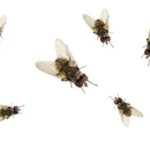
The sight of flies buzzing around in the summer is an all-too-familiar phenomenon, yet it sparks a nagging curiosity when winter rolls around. As the temperature plummets and frost blankets the earth, one may wonder: where do these incessant insects disappear to? Various myths circulate—from the belief that they hibernate in trees to assumptions about their complete disappearance. The truth is far more intricate and, dare we say, fascinating.
Flies are a diverse group, encompassing thousands of species, each with its own unique survival strategies when faced with the frigid embrace of winter. To understand this ecosystem enigma, one must delve into the behavioural patterns and physical adaptations of these creatures during the colder months.
Firstly, not all flies are equipped with the same methods for winter survival. Some species, notably the commonly seen houseflies, adopt a strategy termed “diapause,” which is akin to a state of dormancy. This physiological condition allows them to pause their development, effectively freezing their life cycle until more favourable conditions arise. As temperatures drop, houseflies find sheltered and insulated areas—often within cracks in buildings, behind baseboards, or even in unoccupied attics—where they can wait out the harsh season.
Interestingly, the overwintering process is triggered by environmental cues. As daylight diminishes and temperatures drop, the flies sense these changes, prompting their transition into diapause. This state conserves energy and crucial bodily functions, enabling them to withstand periods of starvation and extreme cold. Yet, this isn’t their only strategy.
Another notable group, the blowflies, exhibits yet another intriguing behaviour. Instead of entering a dormant state, many blowflies seek shelter in organic material, such as decaying leaves, compost piles, or even animal carcasses. Here they can find warmth and sustenance, allowing them to survive the winter months. This finding underscores a fascinating duality in the survival tactics of flies: while some retreat into dormancy, others remain active, albeit in a restricted environment, daring to explore what little nourishment remains in the winter landscape.
Then there are the nerve-wracking fruit flies, which seem almost impervious to the colder months. These critters can often be spotted in heated indoor environments throughout winter, drawn by the warmth of human habitation and the allure of fermenting fruits. They reproduce rapidly under the right conditions, creating a miniature summer within kitchens and pantries. Hence, while they may not disappear entirely, they adapt their surroundings to ensure their survival during winter.
Moreover, a lesser-known strategy lies in the use of antifreeze proteins found in certain fly species. These proteins lower the freezing point of bodily fluids, among them the common black fly and the golden fly. This remarkable adaptation allows them to endure freezing temperatures without succumbing to frostbite. Such proteins are a testament to the evolutionary ingenuity present within the fly family—transforming them into miniature champions of winter survival.
The various survival tactics employed by flies beg an interesting question: how do these behaviours influence their populations? When spring arrives, a noticeable uptick occurs in fly populations, which can be traced back to their winter strategies. Those that underwent diapause emerge ready to proliferate, while those that continued to thrive in warmth create a staggering surplus of new life. This orchestrated resurgence is a marvel of nature, demonstrating the interconnectedness of various species and the complex web of life that persists even in the harshest conditions.
In a curious way, observing the flight patterns and behaviours of flies as they re-emerge in spring invites reflection on the resilience of life itself. The adaptability of these seemingly simple insects offers profound insights into the vast wonder of the natural world. For every foul-smelling carcass they may feast upon, there lies a critical role in the ecosystem: recycling nutrients, fostering decomposition, and albeit unwittingly, contributing to the chain of life that sustains global biodiversity.
As we ponder the plight of these insects, it becomes clear why they elicit such fascination. The winter survival of flies is but a glimpse into a larger narrative about life’s perseverance against all odds. Their ability to thrive in a barrage of extreme conditions challenges our perceptions of vulnerability and hardiness, slogans often reserved for larger animals, but equally applicable to these minuscule marvels.
In summary, the wintering habits of flies are an illuminating testament to the machinations of nature’s design. Through diapause, strategic shelter-seeking, and even ingenious biochemical adaptations, these insects navigate the seasonal challenges that would otherwise spell doom. As the seasons turn and life begins anew, the emergence of flies serves as a reminder: life, in all its forms, is a relentless force, and winter is merely a temporary veil draped over the vibrancy that always lies beneath.
FAQ
What strategies do flies use to survive winter?
Flies employ various strategies such as diapause, seeking shelter, and utilizing antifreeze proteins to survive winter conditions.
Do all flies hibernate during the winter?
No, not all flies hibernate. Some, like blowflies, remain active in sheltered environments, while others enter a dormant state.
FAQ
What strategies do flies use to survive winter?
Flies employ various strategies such as diapause, seeking shelter, and utilizing antifreeze proteins to survive winter conditions.
Do all flies hibernate during the winter?
No, not all flies hibernate. Some, like blowflies, remain active in sheltered environments, while others enter a dormant state.



Leave a Reply