Short Answer
The journey of undergoing a gingival graft can be both intriguing and transformative. This dental procedure often serves to rectify gum recession, enhancing both aesthetics and function. Understanding the healing timeline, as well as the potential outcomes of a gingival graft, is essential for those considering this treatment. Below, we delve into various aspects of gingival grafts, exploring the before-and-after scenarios, the healing timeline, and the expected results.
1. Introduction to Gingival Grafts
A gingival graft, also known as a gum graft, involves the transplant of gum tissue to areas where the gums have receded. This recession can be due to several factors, including periodontal disease, aggressive brushing, genetics, or orthodontic treatment. The primary aim is to protect exposed tooth roots, restore the gum line, and ideally, improve the aesthetic appearance of one’s smile.
2. Types of Gingival Grafts
There are three primary types of gingival grafts, each tailored to specific patient needs:
- Free Gingival Grafts (FGG): This option involves taking tissue from the roof of the mouth (palate) to create a graft. It is ideal for patients with inadequate keratinised gingiva.
- Connective Tissue Grafts (CTG): In this procedure, connective tissue is harvested from beneath the mucosa of the palate and then positioned on the site of gum recession. This method is widely heralded for its effectiveness in rebuilding gum tissue.
- Pedicle Grafts: These grafts use gum tissue from adjacent teeth, which remains attached to its original site, allowing for a less invasive option. The area of gum recession is surrounded by the graft, facilitating healing.
3. Pre-Operative Considerations
Preparation for a gingival graft begins with a thorough dental evaluation. This could involve imaging studies, assessments of gum health, and discussions about patient history regarding periodontal disease. Scheduling the procedure typically follows a comprehensive cleaning to eliminate any plaque and tartar, promoting optimal healing conditions.
4. The Procedure: What to Expect
The actual procedure is performed under local anaesthesia, ensuring patient comfort throughout. The duration can vary, but it generally lasts between one to two hours. After the graft material is extracted and placed, sutures may be used to secure the graft. The precision of this step is vital as it lays the foundation for successful healing.
5. Post-Operative Healing Timeline
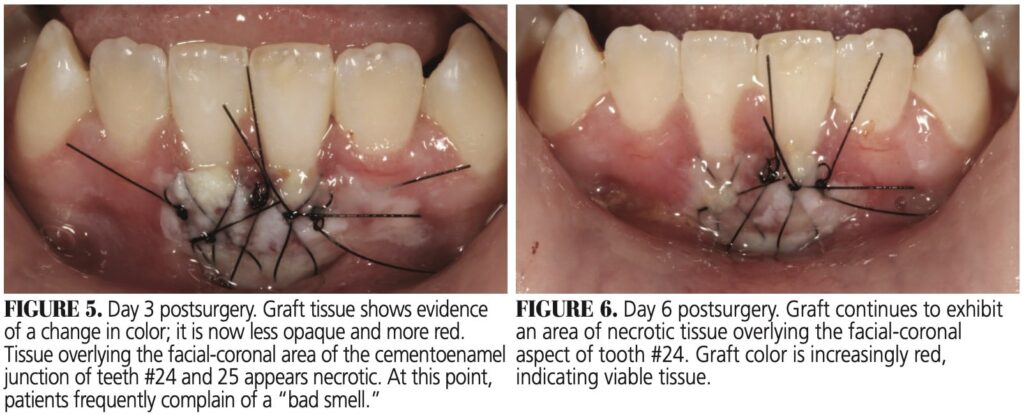
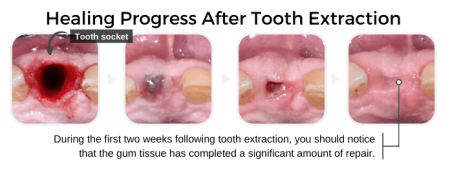
Post-surgery, understanding the healing timeline provides clarity and reduces anxiety. Patients will usually experience mild discomfort, which can be managed with prescribed pain relief. Here’s a breakdown of what to expect over the healing weeks:
- Days 1-3: Initial healing occurs during this period. Patients may experience swelling, tenderness, and some bleeding. It is advised to adhere to a soft food diet, avoiding spicy or crunchy foods.
- Week 1: The swelling begins to subside; however, the graft site may still appear red and sensitive. Maintaining oral hygiene is essential but should be done cautiously.
- Week 2: By now, the graft should start to take on a healthier appearance, often shifting from its initial, raw state to a more settled form. The discomfort should diminish significantly.
- Weeks 3-4: At this stage, most patients report a marked improvement. The graft’s integration into the surrounding tissues becomes more pronounced. Follow-up appointments are essential to ensure proper healing.
- Months 1-3: Final stages of healing begin. The gum tissue should now fully cover the grafted area, yielding more stable and robust tissue. Patients often begin to notice aesthetic improvements during this phase.
- 6 Months: Full results can be evaluated. Many patients find that their gums appear thicker and healthier, and gum recession has been successfully addressed.
6. Expected Results: Before and After
The transformations following a gingival graft can be remarkable. Prior to the procedure, photographs typically depict receded gums that could lead to increased sensitivity or even affect oral hygiene practices. Post-operative images frequently reveal a noticeable restoration of the gum line, with a robust and healthy appearance. Besides the cosmetic improvements, many patients report enhanced comfort while eating, reduced sensitivity, and a newfound confidence in their smile.
7. Risks and Potential Complications
Like any medical procedure, gingival grafts come with their set of risks. Complications are rare but can include infections, graft failure, or adverse reactions to anaesthesia. Awareness and prompt reporting of any unusual symptoms during the healing process can mitigate these risks.
8. Conclusion
The decision to undergo a gingival graft is significant and can yield profound benefits. By understanding the process, the healing timeline, and what to expect in terms of results, patients can approach the procedure with confidence. It is crucial to maintain communication with dental professionals throughout the journey, ensuring a successful outcome and ultimately leading to a healthier, more radiant smile.
FAQ
What is a gingival graft?
A gingival graft is a dental procedure that involves transplanting gum tissue to areas where the gums have receded, aimed at restoring gum line and protecting tooth roots.
What are the types of gingival grafts?
The three primary types are Free Gingival Grafts, Connective Tissue Grafts, and Pedicle Grafts, each tailored for specific patient needs.
What is the healing timeline after a gingival graft?
The healing timeline typically spans from initial healing in the first few days to complete results visible around six months post-surgery.
What risks are associated with gingival grafts?
Risks include infections, graft failure, or adverse reactions to anesthesia, although complications are rare.
FAQ
What is a gingival graft?
A gingival graft is a dental procedure that involves transplanting gum tissue to areas where the gums have receded, aimed at restoring gum line and protecting tooth roots.
What are the types of gingival grafts?
The three primary types are Free Gingival Grafts, Connective Tissue Grafts, and Pedicle Grafts, each tailored for specific patient needs.
What is the healing timeline after a gingival graft?
The healing timeline typically spans from initial healing in the first few days to complete results visible around six months post-surgery.
What risks are associated with gingival grafts?
Risks include infections, graft failure, or adverse reactions to anesthesia, although complications are rare.

Leave a Reply