Short Answer
The world of rings, with its dazzling variety of styles and designs, often raises an enchanting question: what is the average ring size in the UK? When embarking on the journey of selecting the perfect ring, whether it be for a romantic proposal, a cherished gift, or a personal indulgence, size becomes an essential consideration. However, determining the right fit can sometimes pose a playful challenge. How do you ensure that your ring doesn’t slip off during an enthusiastic wave or feel tight after a delightful dinner? To unravel this conundrum, let’s delve into a comprehensive measurement guide tailored for both men and women.
First and foremost, understanding the average ring size is critical. In the UK, the average for women typically hovers around size L to M, whilst for men, it usually resides around size R to S. This revealing data offers a foundational reference, yet it’s essential to remember that individual preferences, body types, and even seasonal fluctuations can all influence the ideal size.
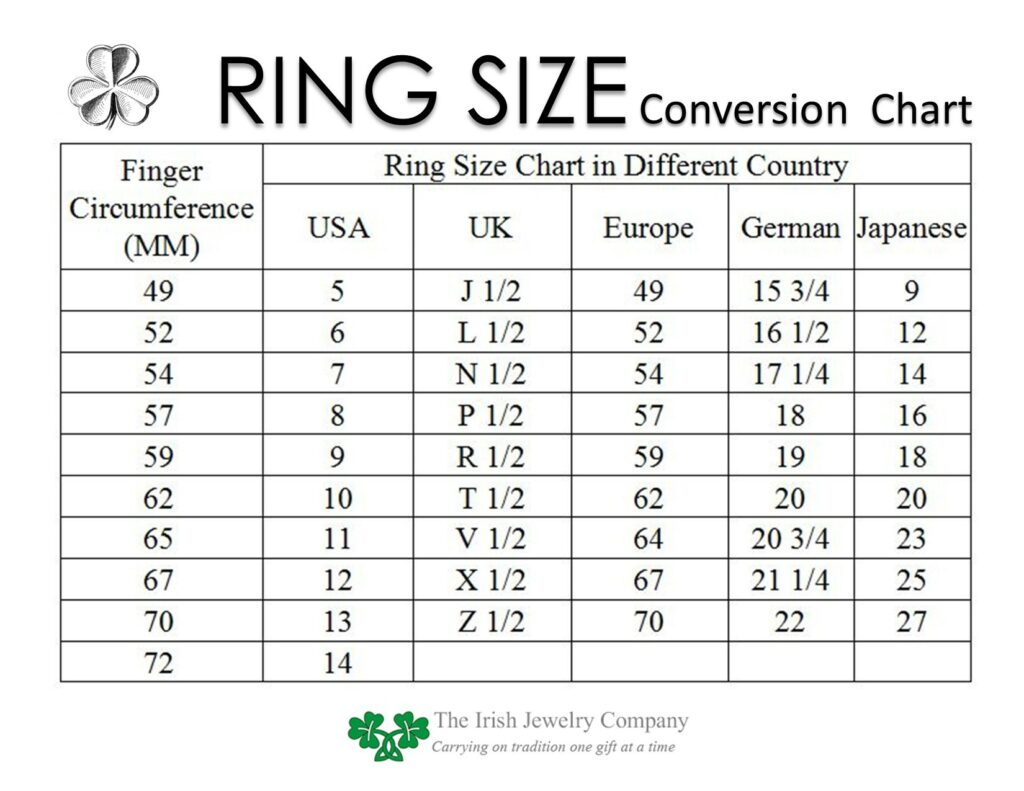
Measuring accurately is an indispensable step in the quest for the perfect ring. There are several methods to achieve this, each with its own degree of precision. One of the most straightforward techniques involves using a simple piece of string or a flexible measuring tape. Wrap the string around the base of your finger, marking the point where it overlaps. After measuring the length against a ruler, you can compare the measurement with established conversion charts, which align the circumference with ring sizes.
For those who prefer a more foolproof approach, it might be wise to visit a local jeweller who has the expertise and tools for precise measurements. Jewelers often employ mandrel gauges, standardised rods that correspond to ring sizes, to ensure an impeccable fit. This method eliminates any guesswork and provides peace of mind.
Another option is to measure an existing ring. If you have a ring that fits comfortably on the desired finger, measuring its internal diameter can provide a reliable size reference. Again, converting this measurement using a chart will yield the corresponding UK ring size. However, one must be cautious, for different styles of rings can fit differently—for instance, wider bands may feel tighter than narrower ones, hence necessitating a slight adjustment in size.
Now that we’ve explored various measuring techniques, it’s pertinent to examine the factors that can influence ring size. Body temperature, for instance, plays a surprising role. When warm, fingers tend to swell slightly, potentially leading to a larger size fitting. Conversely, cold temperatures can lead to constriction, resulting in a snugger fit. Therefore, it is advisable to measure your ring size at a time when your body temperature is at a comfortable average—typically during the evening when your hands are relaxed.
When contemplating the perfect ring, style also comes into play. There are myriad types of rings, each featuring unique designs and bands. Engagement rings, for instance, often boast stunning settings that may require a slightly larger size to accommodate the added stone weight and design complexity. It’s wise to consider the profile of the ring—be it a classic solitaire, an intricate vintage style, or a bulky statement piece, each will impart a differing fit.
Moreover, let us not forget about the allure of custom-made rings. Such bespoke pieces allow for unprecedented personalisation, yet they introduce another layer of complexity in sizing. Collaborating closely with artisans ensures that your specific measurements are meticulously adhered to, culminating in a ring that fits like a glove. A custom ring embodies a beautiful union of craftsmanship and individuality but requires extensive discussion regarding size and comfort.
The importance of sizing extends beyond mere aesthetics—it encompasses the very essence of how a ring will be worn and cherished. A properly fitting ring brings joy and confidence, while an ill-fitting one can elicit frustration or embarrassment. As such, a playful challenge arises: how can you ensure that the ring you select not only fits perfectly but also resonates with your personal style? Engage in the process! Involve loved ones in the fitting journey, invite opinions, and explore various styles together before committing to a purchase.
Additionally, consider the array of ring sizes available—ring size charts often include half and quarter sizes, which provide even more options for achieving that perfect fit. This thoughtful range allows for more nuanced choices tailored to individual preferences, making the selection process even more enjoyable.
In conclusion, the adventure of determining the average ring size in the UK is multifaceted, revealing an intersection of personal preference, body dynamics, and stylistic considerations. The art of measuring, with its various techniques and factors at play, offers a rich tapestry of exploration for anyone in the market for a ring. As you embark on this delightful endeavour, remember to embrace the challenge, enjoy the journey, and ultimately find the ring that fits both your finger and your soul.


Leave a Reply