Short Answer
In the ever-evolving world of fashion, the abaya stands as a timeless garment, infused with contemporary flair and rich cultural heritage. Emerging as a symbol of elegance and identity across various regions, modern abaya designs are making waves, particularly in bustling metropolises like Dubai. As we delve into the latest styles, fabrics, and fashion trends, a fascinating narrative unfolds—a narrative that transcends mere clothing and ventures into the realm of artistic expression.
The Abaya: A Canvas of Tradition and Innovation
Traditionally, the abaya has been synonymous with modesty and grace, cloaking the body while allowing for personal expression through embellishments and tailoring. Today, however, this iconic piece has undergone a metamorphosis. The contemporary abaya embraces an exquisite blend of traditional aesthetics and avant-garde sensibilities, thus promising a shift in perspective. Styles vary phenomenally, catering not just to the cultural roots, but also to the whims of modernity.
Styles that Captivate
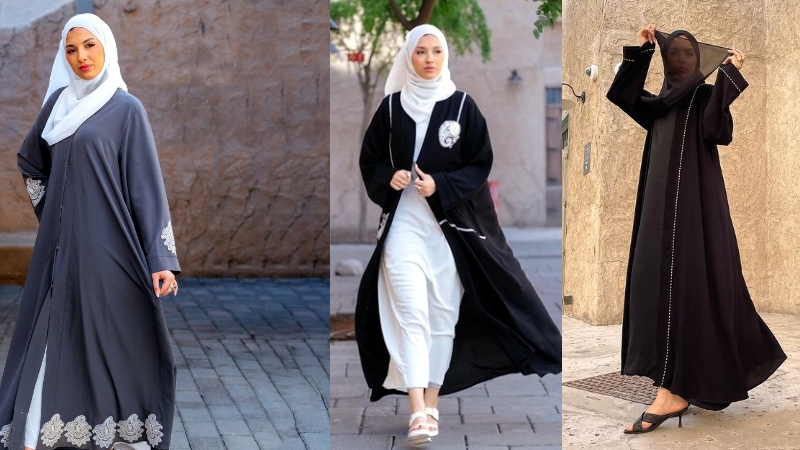
The styles of abayas have diversified dramatically. From structured silhouettes to flowing, ethereal forms, the choices are abundant. One prominent trend is the kimono-cut abaya, which features wide sleeves and an open front. This design exudes an air of sophistication that can easily transition from casual daytime attire to elegant evening wear.
Additionally, the asymmetrical hem has carved its niche in contemporary fashion. With irregular edges and varied lengths, this style creates dynamic movement, enticing the eye. Enhanced by unique textures and patterns, asymmetrical abayas often reflect the wearer’s personal flair.
Layering has also taken a front seat in current abaya designs. The two-piece abaya, particularly, has gained traction. Comprising an intricately designed outer layer paired with a complementary inner garment, this style allows for creative juxtaposition and versatility in wear. It caters perfectly to the sartorially adventurous, facilitating myriad combinations that resonate with individual style.
The Allure of Fabrics
The fabric selected for abayas plays an instrumental role in defining both comfort and aesthetic appeal. Luxurious materials like silk and chiffon have become increasingly popular, enhancing the abaya’s fluidity and drape. These fabrics not only exude an air of opulence but also allow for sophisticated layering, making them perfect for various occasions.
Moreover, the resurgence of velvets and brocades has transformed the landscape of abaya fashion. Soft yet durable, these materials impart a sumptuous feel while simultaneously showcasing intricate designs through embellishments and textures. The sumptuousness of velvet, paired with embellished details, evokes a sense of regality, making it an enchanting choice for formal events.
The utilisation of technical fabrics has also surged, facilitating performance and durability. Breathable and moisture-wicking fabrics ensure comfort during the sweltering heat, especially vital in desert climates. Hence, the modern abaya is as practical as it is stylish, ensuring that the wearer remains effortlessly chic without compromising on comfort.
Craftsmanship and Embellishment
Handcrafted embellishments remain a definitive feature in modern abaya designs. From intricate embroidery to exquisite lace panels, the attention to detail is nothing short of artistry. These embellishments often tell stories—of heritage, culture, and individual creativity. Furthermore, embellishments like sequins and beads lend a playful sparkle, making the abaya a standout piece in any wardrobe.
Another captivating trend is the use of printed fabrics. Seasonal motifs, florals, geometric patterns, and cultural inspired prints breathe life into the classic abaya silhouette. These prints allow for personal storytelling and the weaving of the wearer’s identity into the garment, furthering the connection between tradition and modernity.
Fashion Trends and Influences
The fusion of global fashion influences has ushered modern abayas into a new fashion era. Designers now look beyond cultural boundaries, creating pieces that resonate with diverse audiences. The blend of Western styles with Middle Eastern traditions is a prime example, as designers infuse contemporary styles such as streetwear influences and minimalistic aesthetics into the abaya design narrative.
Moreover, the rise of social media platforms has catalysed the evolution of abaya fashion. Influencers and fashionistas showcase innovative ways to don the abaya, layering it with high-street trends or pairing it with contemporary accessories. This visibility not only piques curiosity but also invites a global audience to embrace the abaya’s fluidity—a canvas for personal expression and style.
In addition, eco-conscious fashion is making its mark in the abaya industry. Sustainable fabrics and ethical craftsmanship are becoming staples, thus appealing to a conscientious consumer base that values environmental responsibility. This trend not only aligns with modern values but also advances the narrative of the abaya as a garment that respects heritage while adapting to contemporary sensibilities.
The Future of Abaya Fashion
As modern abaya designs garner attention and admiration, they pave the way for future innovations. The dialogue between tradition and modernity continues to thrive, promising a vibrant evolution that is deeply rooted in culture yet fearlessly progressive. The abaya is not just a piece of clothing; it is a powerful statement of identity and empowerment, inviting wearers to explore the boundaries of fashion while paying homage to their heritage.
In conclusion, the modern trend of abaya designs represents more than just aesthetic preferences; it encapsulates a broader cultural movement. As styles and fabrics converge, a new narrative emerges—one that celebrates modesty while inviting creativity and personal expression. The multifaceted nature of the abaya ensures its place not only in the hearts of those who wear it but also in the annals of fashion history.
FAQ
What is a modern abaya?
A modern abaya is a traditional modest garment reimagined with contemporary styles, fabrics, and embellishments to reflect current fashion trends while maintaining cultural significance.
What fabrics are commonly used in modern abayas?
Modern abayas often use luxurious fabrics like silk, chiffon, velvet, and brocade, as well as technical fabrics that offer breathability and durability.
How are modern abaya designs influenced by global fashion?
Designers blend Middle Eastern traditions with Western styles such as streetwear and minimalism, and social media influences promote innovative ways to wear the abaya globally.
Are sustainable practices common in abaya fashion?
Yes, there is a growing trend toward eco-conscious fashion in abaya design, using sustainable fabrics and ethical craftsmanship.
What are some popular modern abaya styles?
Popular styles include kimono-cut abayas, asymmetrical hems, layered two-piece designs, and embellished or printed fabrics.



Leave a Reply