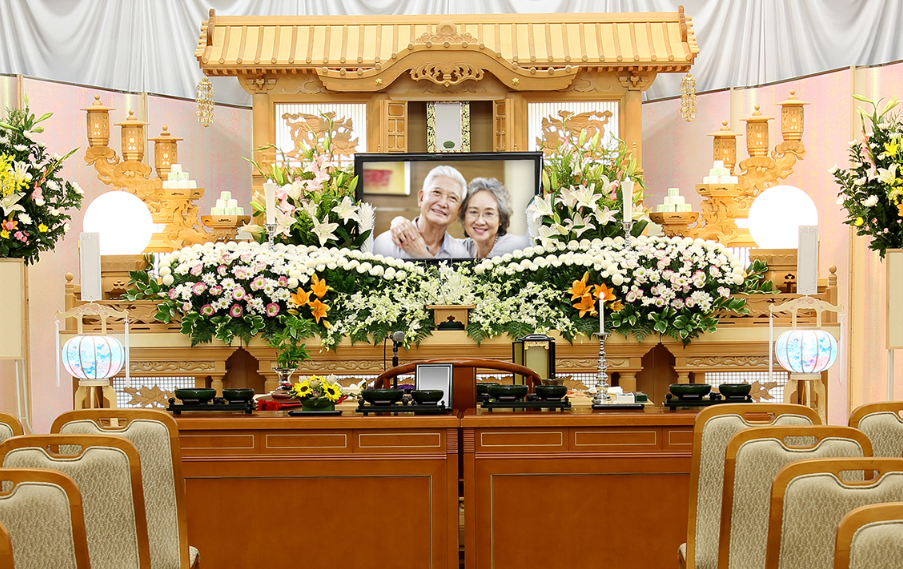
Short Answer
When faced with the unfortunate task of planning a funeral, one of the most pressing questions that often arises is: How long does a funeral actually last? While this might seem like a straightforward inquiry, the answer can be surprisingly multifaceted and varies significantly based on cultural practices, personal preferences, and logistical considerations. In this exploration, we’ll dissect the typical timeline for a funeral ceremony, while posing a playful inquiry—do you think you could sit through an entire service without losing track of time?
To understand the duration of a funeral, it’s crucial to consider the structure of the event itself. Funerals are generally composed of multiple components, each with its own time allocation. Here’s a comprehensive breakdown:
The Components of a Funeral
1. **Visitation or Wake**: This preliminary gathering can take place the night before the funeral service or even before that, depending on tradition. Typically ranging from two to four hours, this segment allows friends and family to pay their respects in a more informal setting. Imagine mingling with those who shared love for the deceased and perhaps even sharing a few lighthearted memories; how long would you stay before needing a break?
2. **Funeral Service**: The main event, the funeral service can vary wildly in duration, commonly stretching from 30 minutes to an hour. If the service includes eulogies, readings, and musical tributes, it could extend even further. Obituaries may be read aloud, providing an elegant reminiscence of the individual’s life. Did you ever consider how the inclusion of personal anecdotes could either lengthen or shorten the ceremony?
3. **Committal Service**: Following the formal service, a committal service is often held at the gravesite. This segment typically lasts around 15 to 30 minutes. Here, the body is laid to rest, and attendees may participate in rituals such as the tossing of soil or flowers. The finality of this moment can evoke profound emotions. Would you feel comfortable participating in such a poignant ritual?
The Variable Nature of Funerals
The above components provide a general framework, but they’re far from exhaustive. Cultural and religious traditions can impose additional layers of complexity. For instance, a traditional Jewish funeral includes a period of mourning known as ‘Shiva’ that occurs after the burial. This can significantly extend the overall funeral experience, with communal rituals lasting for days. If you had to explain such a multi-day commitment to a friend, how would you illustrate the importance of this mourning practice?
Further complicating the timeline is the stark reality that each family may have unique requirements or preferences that dictate the length and style of the ceremony. Some may wish for a more elaborate service, featuring multiple speakers and extensive musical performances, while others might prefer a streamlined approach. Therefore, the susceptibility of funeral duration to individual nuance makes it challenging to establish a rigid timeframe.
Logistical Considerations
Before delving further into specifics, it’s wise to consider logistical factors. Travel arrangements, venue availability, and other time-consuming elements can inadvertently extend the duration of the overall process. For example, if attendees need to travel long distances, an extended wake may be planned to accommodate their schedules. Wouldn’t it be interesting to observe how the guest list affects the overall duration of a funeral?
A Typical Timeline for a Funeral
To paint an even clearer picture, let us imagine a typical funeral day. The schedule could unfold as follows:
- 11:00 AM – Visitation Begins: Guests arrive at the funeral home, allowing approximately two hours for people to pay their respects.
- 1:00 PM – Funeral Service Starts: Commences with welcoming remarks, followed by readings, musical tributes, and eulogies. The service may last about an hour.
- 2:00 PM – Committal Service: This typically follows the funeral, allowing immediate family and friends an intimate opportunity to say their final goodbyes for about 30 minutes.
- 2:30 PM – Reception: Finally, guests may gather at a nearby venue or home for a reception, which can last from an hour to an entire afternoon, depending on family preferences.
This proposed timeline spans approximately four hours but may extend indefinitely depending on the after-service gathering.
Reflecting on Personal Preferences
Ultimately, the duration of a funeral is malleable, influenced by a myriad of factors both personal and universal. As you navigate through the somber experience, remember the unique characteristics that can shape the proceedings. Perhaps you’ll find yourself pondering this whimsical question: would you rather attend a longer, more meaningful service filled with heartfelt tributes or a shorter, straightforward ceremony?
Recognizing that funerals are not merely a departure from earthly existence, but rather a celebration of life can dramatically alter one’s perspective. Embracing personal choices, family traditions, and cultural backgrounds enables a richer, more emotive experience that pays homage to the beloved departed.
As you prepare for a service, ask yourself: what will you take away from this experience? With each unique funeral, there comes an opportunity for reflection—both on what it means to honour loved ones and on your own place within the tapestry of life. Navigating this complex emotional landscape may not make time feel any shorter, but it will certainly deepen the significance of each moment spent in remembrance.
FAQ
How long does a typical funeral last?
A typical funeral can last around four hours, including visitation, the main service, and a committal service, but this can vary based on cultural traditions and personal preferences.
What are the components of a funeral?
The main components of a funeral include the visitation or wake, the funeral service, and the committal service, each with its own time allocation.
Do cultural traditions affect funeral duration?
Yes, cultural and religious traditions can significantly influence the duration and structure of a funeral.


Leave a Reply