Short Answer
Maintaining a septic tank may not be the most glamorous topic, but it is undeniably crucial for homeowners who rely on this subterranean waste management system. Imagine your tranquil garden or the serene sounds of nature disrupted by the odour of raw sewage or the sight of an overflowing tank. With proper care, however, this scenario can be avoided. This article dives deep into essential care tips and a recommended pumping schedule that can optimise your septic tank’s performance and longevity.
Septic tanks function as the heart of your effluent management system. They treat wastewater from your household, allowing it to seep cleanly back into the soil while retaining solids. Yet, failure to maintain these tanks can lead to disastrous consequences not only for your property but for the environment as well.
Understanding Your Septic System
Your septic system comprises several components: the septic tank, distribution box, and drain field. Understanding the basic mechanics of your system is vital. The septic tank collects solids and liquids, allowing anaerobic bacteria to break down waste. Meanwhile, the drain field helps dispose of the effluent safely. Regular maintenance is paramount to keep these components functioning harmoniously.
Recognising Signals of Trouble
- Unpleasant odours emanating from your yard.
- Pooling water or soggy soil in areas surrounding the drain field.
- Slow drainage in sinks, showers, or toilets.
- Bright green grass patches over the drain field, indicating excess nutrients.
If you observe any these troubling signs, it’s imperative to act quickly. Ignoring them can compromise your system and lead to exorbitant repair costs.
Essential Maintenance Tips
Regular upkeep can be the difference between a smoothly running system and an overflowing disaster. Embrace these maintenance tips to ensure your septic tank operates efficiently:
1. Limit Water Usage
2. Mindful Waste Disposal
3. Use Biodegradable Products
4. Regular Inspections
5. Monitoring Your Drain Field
Establishing a Pumping Schedule
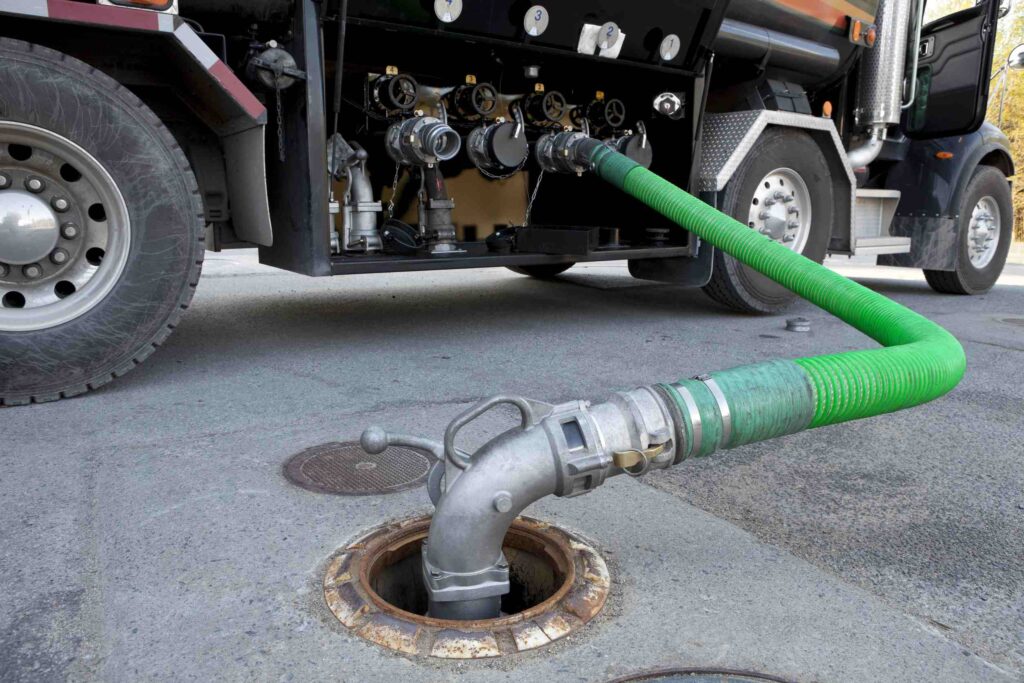
On average, septic tanks should be pumped every 3 to 5 years. However, this interval can vary significantly based on several factors:
- Household Size: Larger families produce more waste, necessitating more frequent pumping.
- Tank Size: A larger tank can hold more waste, potentially extending the time between pumps.
- Daily Habits: Individuals practising water conservation will likely need less frequent pumping than those with high water use.
Consider keeping a log of your pumping schedule, as well as any inspections or maintenance performed on your system. This record can assist you in understanding your septic system’s needs over time.
Additional Considerations
1. Planting Wisely
2. Be Cautious with Additives
3. Prepare for Seasonal Changes
By embedding yourself in these essential care tips and adhering to a diligent pumping schedule, you can safeguard your septic tank against potential calamities. Embrace this proactive approach to ensure the smooth operation of your system while preserving the delicate balance of your home’s ecosystem. A little attention now can lead to lasting peace of mind later—an investment well worth your effort.
FAQ
How often should a septic tank be pumped?
Typically, septic tanks require pumping every 3 to 5 years depending on usage and tank size.
What signs indicate my septic tank needs attention?
Slow drains, foul smells, sewage backups, and soggy areas near the tank or drain field are common warning signs.
What can I do to maintain my septic system?
Conserve water, avoid flushing non-biodegradable materials, schedule regular inspections, and have the tank pumped as recommended.

Leave a Reply