Short Answer
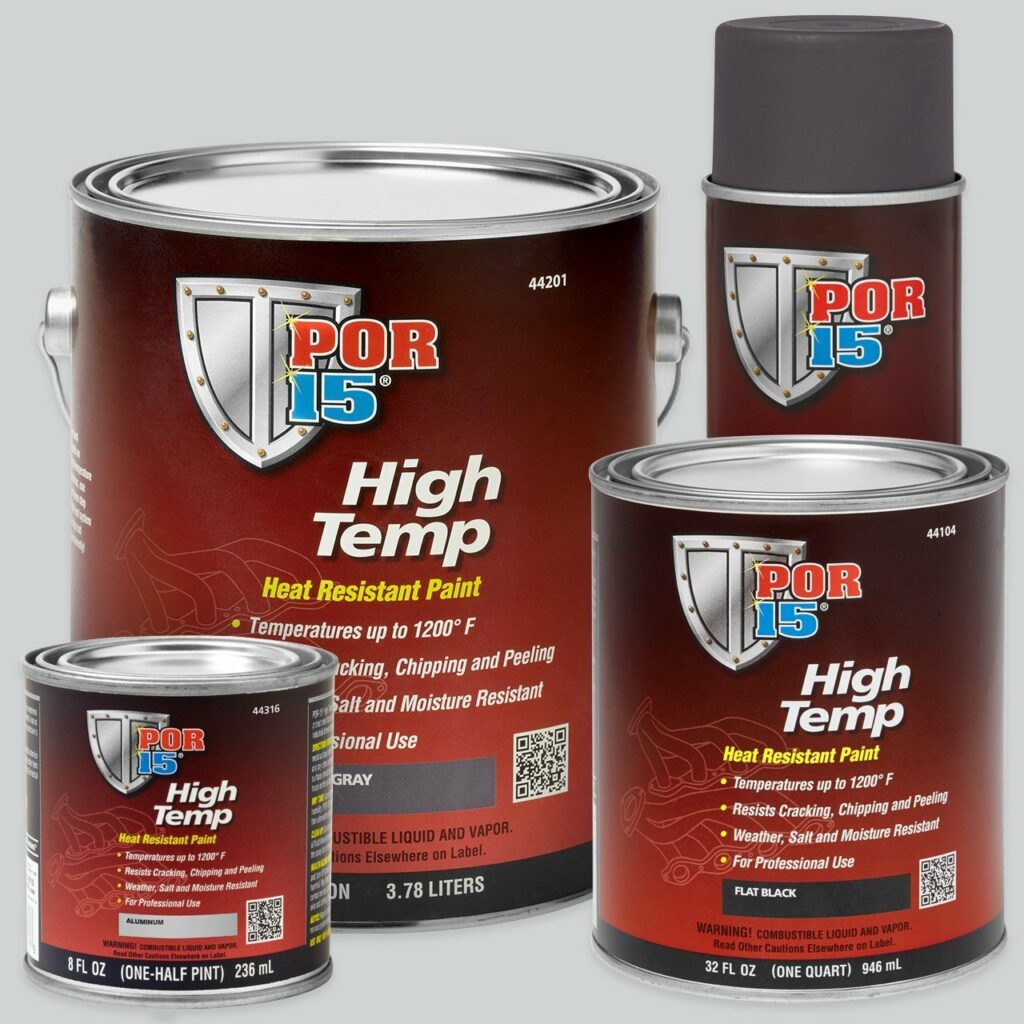
Heat resistant metal paint is an indispensable asset for DIY enthusiasts and professionals alike, providing not just aesthetic appeal to metallic surfaces, but also offering protection against high temperatures. This listicle delves into the diverse types of heat resistant metal paints, their temperature ratings, and practical application tips, guiding you to achieve optimal results.
Understanding Heat Resistant Metal Paint
Heat resistant metal paints are specifically formulated to withstand elevated temperatures without deteriorating. These paints provide a robust barrier, preventing rust and corrosion while resisting discolouration and blistering. The key to their functionality lies in unique resins and pigments that can tolerate a range of thermal stresses.
Types of Heat Resistant Metal Paints
1. Silicone-Based Paints
Silicone-based heat resistant paints are renowned for their impressive thermal stability. Typically, these paints can endure temperatures up to 600°C (1112°F). Ideal for exhaust systems, fireplaces, and barbeques, their flexibility allows for expansion and contraction without cracking. Silicone resins contribute to their superior adhesion and resistance to atmospheric elements.
2. Epoxy Paints
Epoxy heat resistant paints are another excellent choice, commonly found in industrial applications. Capable of withstanding temperatures up to approximately 200°C (392°F), these paints adhere well to metal surfaces while offering robustness against chemicals and moisture. They are particularly favoured in machinery and automotive industries to protect components subjected to moderate heat.
3. Enamel Paints
Enamel paints, specifically designed for high temperatures, can withstand up to around 150°C (302°F). While they provide a shiny, attractive finish, their heat resistance is more limited than other types. These paints are often used for decorative purposes on engine parts and ornamental metalwork, enhancing visual appeal without sacrificing essential functions.
4. Acrylic Paints
Acrylic heat resistant paints are gaining traction due to their ease of application and environmental friendliness. Although they offer lower temperature resistance, typically up to 100°C (212°F), they excel in applications where fire exposure is brief. Moreover, they dry quickly, allowing for rapid project turnover.
Understanding Temperature Ratings
Temperature ratings are crucial for selecting the most suitable paint for your project. Generally, high-temperature paints are categorised based on their performance under specific thermal conditions. When choosing paint, consider the maximum temperature your project might encounter.
For example, while silicone-based paints can endure extreme heat, they may not be suitable if the application environment involves chemicals. Conversely, while epoxy paints provide chemical resistance, they may not perform well at temperatures exceeding their ratings. Thoroughly reviewing product specifications and ensuring your choice aligns with intended use can mitigate the risk of premature failure.
Key Applications of Heat Resistant Metal Paints
Heat resistant metal paints are versatile and can be employed in various situations, such as:
– Automotive Repairs: These paints are a favourite in the restoration of classic cars, particularly on exhaust systems and engine parts. They can withstand the radical temperature fluctuations and protect essential components.
– Industrial Machinery: Paints designed for high heat resistance are critical in industrial environments, preventing rust and wear on machinery components subjected to extreme conditions.
– Home Appliances: Stoves, heaters, and fireplaces that generate substantial heat benefit from these specialised paints. They not only prolong the appliance’s life but also enhance its visual appeal.
– Aerospace and Marine Applications: In these contexts, heat resistant paints are paramount due to the extreme conditions and exposure to corrosive environments.
Application Tips for Optimal Results
Applying heat resistant metal paint requires precision and care. Here are several practical tips to ensure a successful application:
1. Surface Preparation
Before applying any paint, surface preparation is vital. Clean the metal thoroughly to remove rust, dirt, and grease, which can hinder adhesion. Use appropriate solvents or abrasives, and, if necessary, sand the surface to create a better bonding profile.
2. Priming
Consider using a high-temperature primer designed to enhance adhesion and durability. This step is particularly beneficial for bare metals or previously painted surfaces, as it can ensure a uniform finish.
3. Application Method
Choose an application method that suits your project. Spray application, for instance, allows for an even coat without brush strokes. Conversely, using a brush enables you to reach intricate areas. Always apply in thin, even layers to avoid drips and ensure even curing.
4. Curing Process
Follow the manufacturer’s instructions regarding curing time and temperature. Curing often requires specific temperatures to achieve full adhesion and durability. Avoid exposing the painted surface to heat until it is fully cured, as early exposure can lead to failure.
Conclusion
In summary, heat resistant metal paints serve a myriad of functions across diverse applications, from automotive restoration to industrial machinery protection. By understanding the specific types of paints, their temperature ratings, and effective application techniques, you can optimise your projects, ensuring performance and longevity whilst adding an aesthetically pleasing finish. Selecting the correct product tailored to your unique requirements will guarantee that your painted surfaces withstand the test of time and temperature.
FAQ
What is heat resistant metal paint?
Heat resistant metal paint is a specialized coating designed to withstand high temperatures while protecting metal surfaces from rust and corrosion.
What types of heat resistant metal paints are available?
Common types include silicone-based, epoxy, enamel, and acrylic paints, each with varying temperature resistances and applications.
How do I properly apply heat resistant metal paint?
Ensure proper surface preparation, consider using a high-temperature primer, choose an appropriate application method, and follow curing instructions.
FAQ
What is heat resistant metal paint?
Heat resistant metal paint is a specialized coating designed to withstand high temperatures while protecting metal surfaces from rust and corrosion.
What types of heat resistant metal paints are available?
Common types include silicone-based, epoxy, enamel, and acrylic paints, each with varying temperature resistances and applications.
How do I properly apply heat resistant metal paint?
Ensure proper surface preparation, consider using a high-temperature primer, choose an appropriate application method, and follow curing instructions.


Leave a Reply