Short Answer
When considering the intricate workings of an automobile, few components are as pivotal as the head gasket. It serves as the critical seal between the engine block and the cylinder head, ensuring that coolant and engine oil remain separate while the combustion process occurs seamlessly. However, even the most stalwart of parts can falter with time. So, how can you discern if your head gasket is on the verge of failure? What are the telltale signs, potential causes, and inevitable repair costs associated with this critical component?
Signs of a Failing Head Gasket
Identifying a failing head gasket early can save you considerable vehicular distress and expenditure. Here are some notable signs to be vigilant for:
1. Overheating Engine
One of the most conspicuous indicators is overheating. If your engine temperature gauge is frequently elevated, it could signal that coolant is leaking into the combustion chamber due to a defective gasket. A continuous rise in temperature can lead to catastrophic engine damage if left unaddressed.
2. White Smoke from the Exhaust
Have you noticed an unusual plume of white smoke wafting from your exhaust? This is often a sign that coolant is seeping into the engine cylinders and being vaporised. While an occasional puff of smoke isn’t conclusive, persistent occurrences warrant a diagnostic examination.
3. Loss of Engine Power
A compromised head gasket may prevent your engine from achieving optimal compression, leading to a marked decline in power and efficiency. If your vehicle seems to struggle during acceleration or exhibits an overall lack of responsiveness, it’s time for an inspection.
4. Coolant Leaks
Pooling coolant beneath your vehicle can signify a breach in the head gasket. If you find bright green, orange, or pink fluid on your garage floor, it could mean that the gasket is unable to contain the coolant as intended.
5. Milky Oil
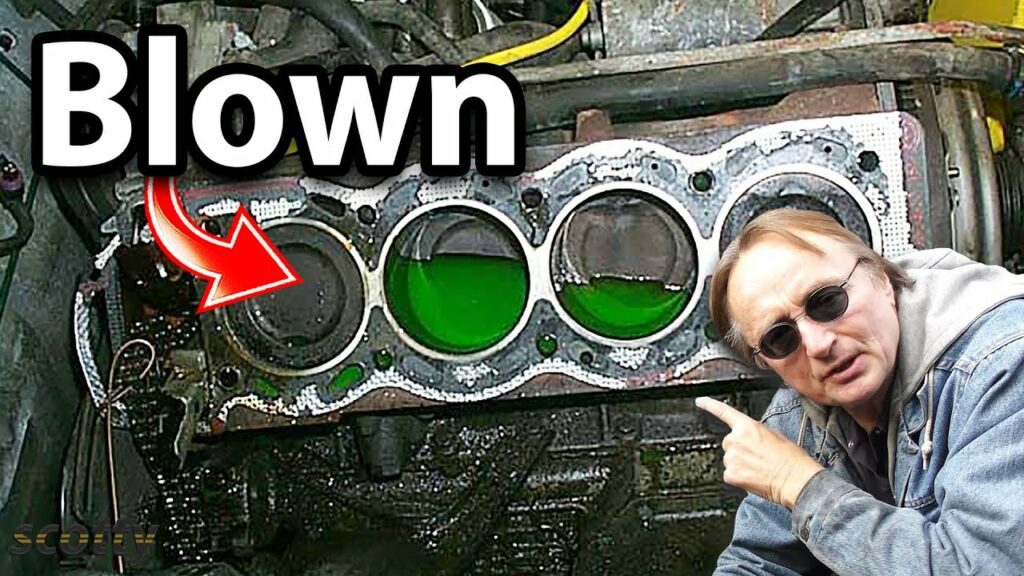
A curious amalgamation of oil and coolant may present itself as a creamy substance on the oil dipstick or beneath the oil cap. This condition indicates that coolant has infiltrated the engine oil, a telltale sign of a failing head gasket.
6. Bubbles in the Radiator
If you observe persistent bubbling in the radiator coolant, there’s a potential risk of combustion gases entering the cooling system, a clear indication of a gasket problem. A simple test can confirm this problem, where a mechanic assesses for the presence of hydrocarbons in the coolant.
Armed with this awareness, one might ponder: how do such failures come to pass? Understanding the underlying causes is equally critical.
Causes of Head Gasket Failure
Various factors can contribute to the decline of head gasket integrity, including:
1. Engine Overheating
Repeated overheating is perhaps the most prominent factor leading to gasket failure. High temperatures can warp the cylinder head or engine block, compromising the gasket’s ability to form a robust seal.
2. Poor Maintenance
Neglecting regular oil changes, coolant top-ups, and other maintenance tasks can accelerate wear on the gasket. A lack of proper lubrication can result in increased friction and heat, ultimately leading to failure.
3. Age and Wear
Like many components, gaskets have a finite lifespan. Over time, materials can degrade due to thermal cycles and pressure variations, making them susceptible to leaks.
4. Improper Installation
If the head gasket is not meticulously installed, it may not sit flush or properly compress under high temperatures and pressures, resulting in premature failure.
5. Chemical Contaminants
Presence of harmful chemicals in the engine oil or coolant can deteriorate the gasket material. Ensure the use of high-quality fluids recommended for your vehicle.
Now, understanding both the symptoms and causes, the next logical inquiry is: what can one anticipate when it comes to repair costs? Let’s delve into the financial aspect.
Repair Costs of a Head Gasket Failure
Handling a head gasket failure can be a formidable financial challenge, but understanding the expected costs can better equip you for this potential automotive hurdle.
1. Diagnostic Fees
Before any repairs are made, a diagnostic fee (ranging from £50 to £100) is typically charged by mechanics. This assessment will help identify whether the head gasket is indeed the source of your woes.
2. Labour Costs
Replacing a head gasket is labour-intensive and may take anywhere from 6 to 12 hours, depending on the vehicle make and model. Labour costs might vary significantly but could range from £500 to £1,000.
3. Parts Costs
The cost of the gasket itself plus any additional components (like bolts, seals, or even a new cylinder head if necessary) can vary widely. Expect to pay between £100 to £300 for parts alone, depending on your vehicle.
4. Additional Repairs
It’s prudent to account for potential additional repairs or parts replacement. If overheating has damaged other components, costs could escalate significantly, potentially reaching above £2,000 if extensive repairs are required.
In conclusion, being vigilant and informed can greatly assist in identifying a failing head gasket early, addressing symptoms promptly, and understanding the potential costs involved in repairs. So next time that engine temperature rises unexpectedly or you spot that odd white smoke, remember: knowledge is your most reliable tool against costly automotive challenges.
FAQ
What are the symptoms of a failing head gasket?
Common symptoms include engine overheating, white smoke from the exhaust, loss of engine power, coolant leaks, milky oil, and bubbles in the radiator.
What causes a head gasket to fail?
Head gaskets can fail due to overheating, poor maintenance, age and wear, improper installation, and chemical contaminants.
What are the repair costs for a head gasket failure?
Repair costs can range from diagnostic fees (£50-£100) to labour costs (£500-£1,000) and parts costs (£100-£300), potentially exceeding £2,000 for extensive repairs.


Leave a Reply