Short Answer
When it comes to dining tables, the surface is more than just a functional aspect; it’s an integral part of the aesthetic and atmosphere of your dining experience. Choosing the right table top can feel like a perplexing challenge. With myriad materials, sizes, and styles available, how do you make a decision? Have you ever wondered which table top could accentuate your dining room while providing enduring durability? This guide aims to illuminate your options while simultaneously tackling the potential hurdles associated with each choice.
Materials: Weaving the Fabric of Style
The material of your table top not only influences its appearance but also impacts longevity and maintenance. Below is an exploration of the most popular materials, each offering unique benefits and drawbacks.
1. Wood
Wooden table tops exude warmth and timelessness. They are available in a variety of species, from robust oak to elegant walnut. The grain patterns and hues provide a diverse array of aesthetics. However, wood can be susceptible to scratches and water damage. Regular oiling and the use of coasters can mitigate these risks. Additionally, consider whether you prefer a natural finish or would like a stained option to match your décor.
2. Glass
For a modern twist, glass table tops offer a stunning visual element. They can make spaces feel larger and more open, reflecting light in a unique manner. Tempered glass is the ideal choice, as it is stronger than regular glass and resistant to breakage. Yet, keep in mind that glass requires frequent cleaning to maintain its clarity, and finger smudges can be particularly noticeable. Would you be willing to dedicate time to this upkeep for the sake of style?
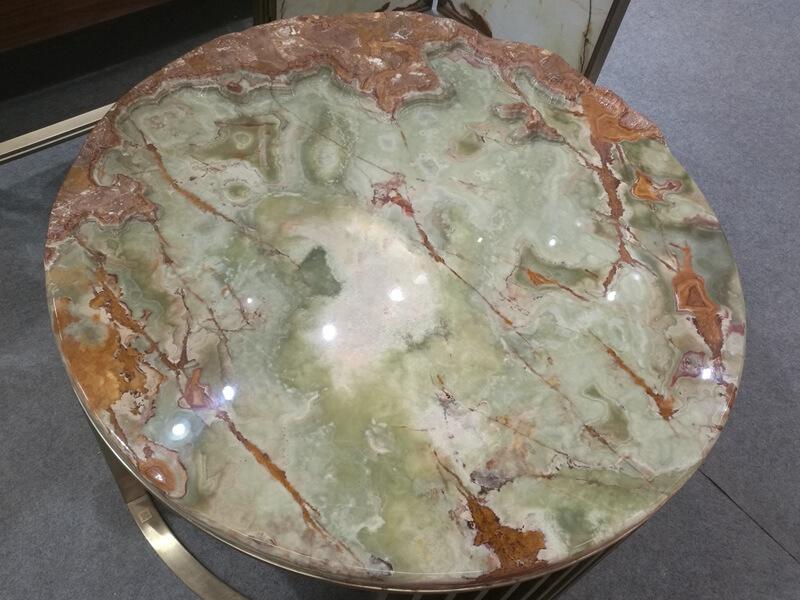
3. Marble
Marble is synonymous with luxury and sophistication. Available in an array of colours and veining patterns, it adds an opulent flair to any dining room. However, it is porous and can stain easily, which poses a challenge for maintaining its pristine condition. Frequent sealing and immediate cleaning of spills can help preserve the beauty of marble. Is the trade-off between elegance and maintenance worth the reward?
4. Laminate
Laminate table tops are a practical choice for those seeking versatility and affordability. Available in a myriad of finishes, they can simulate the appearance of wood or stone without the hefty price tag. While not as durable as solid wood or stone, they are resistant to scratches and easy to clean. Might this budget-friendly alternative be the perfect compromise for your dining needs?
5. Concrete
Concrete table tops provide a unique industrial aesthetic that can be both striking and modern. Their durability is unmatched, as they are resistant to heat and scratches. Nevertheless, the heaviness of concrete can be cumbersome. Furthermore, it can crack over time if not properly treated. Would you be able to navigate the challenges of weight and care for the sake of artistic flair?
6. Composite Materials
Composite materials, which blend different materials, offer enhanced durability and unique designs. These can include resin and wood combinations or other innovative blends. They are typically resistant to scratches and stains. However, the appearance may not suit traditional décor styles. Can these innovative combinations redefine your perception of what a dining table should be?
Sizes: Finding Your Perfect Fit
The size of your table top is another crucial element in achieving both functionality and style. The dimensions must complement your dining space while accommodating your dining needs.
Typically, dining tables come in various shapes: round, square, rectangular, and oval. Each shape has distinct spatial demands, making them suitable for different sizes of gatherings. Round tables are ideal for small spaces and allow for intimate conversations. Rectangular tables suit larger groups, providing ample space for dining essentials. When selecting your size, consider how many people you wish to accommodate. Are you considering hosting grand family dinners, or is your dining style more intimate?
In addition to shape and seating capacity, the dimensions of the table should allow for comfortable movement around it. A suggestion is to leave about 90 cm (3 feet) of clearance around the table for ease of movement. What occurs when space meets ambition; can you find the equilibrium?
Care Guide: Preserving the Beauty
1. Wood: Use coasters, placemats, and regular dusting with a soft cloth. Apply wood cleaners or oils as needed to enhance the shine and protect the surface.
2. Glass: Use glass cleaner or a mixture of vinegar and water. Avoid abrasive materials that can scratch the surface.
3. Marble: Clean spills immediately with a soft cloth. Avoid acidic cleaners, which can etch the surface. Regular sealing is crucial for stain resistance.
4. Laminate: Clean with mild soap and water. Anti-static wipes can be used to prevent dust accumulation.
5. Concrete: Seal regularly to prevent stains and moisture absorption. Use a damp cloth for cleaning, and avoid harsh chemicals.
6. Composite Materials: Follow the care instructions specific to the composite material, as considerations can vary greatly depending on the mix.
Conclusion: Making the Choice
Choosing the right dining table top involves balancing aesthetics, functionality, and maintenance. With materials, sizes, and care requirements laid out, the path forward may be clearer. Will you dare to embrace the challenge of selecting the perfect table top that transforms your dining experience? As you reflect upon your options, remember that each choice will serve as the backdrop for countless memories with family and friends—choose wisely.
FAQ
What materials are best for dining table tops?
Common materials include wood, glass, marble, laminate, concrete, and composite, each offering unique benefits.
How do I choose the right size for my dining table?
Consider the shape of the table and the number of guests you want to accommodate, ensuring sufficient clearance around it.



Leave a Reply