Short Answer
In an age where surveillance technology has become increasingly sophisticated, the marriage of fire detection and surveillance capabilities in a single device offers an intriguing solution for both security and safety. The fire detector spy camera not only provides peace of mind regarding fire hazards but also adds an additional layer of security. This article delves into the myriad features of fire detector spy cameras, provides guidance on their setup, and addresses the crucial legal considerations to keep in mind.
Understanding the Features of Fire Detector Spy Cameras
Fire detector spy cameras are equipped with a blend of functionalities designed to ensure maximum efficiency and efficacy. Understanding these features is vital for anyone considering such devices for their premises.
- Dual-Lens Night Vision: Many advanced fire detector cameras incorporate dual lenses that enable infrared night vision, allowing for clear video capture in low-light conditions. This feature is particularly beneficial during night-time monitoring when visibility diminishes drastically.
- High Definition Video Quality: The advent of 4K video resolution means that these devices can capture exceptionally clear images, making it easier to identify faces, objects, and potential hazards. High-definition recording is crucial for detailed analysis during incidents.
- Wi-Fi Connectivity: With integrated Wi-Fi capabilities, users can remotely access live footage via a smartphone or tablet app. This connectivity facilitates real-time monitoring and allows for immediate response to any unusual activity.
- Smoke and Fire Detection: Besides the camera functionalities, these devices often include advanced sensors to detect smoke and rising temperatures, instantly alerting the homeowner to potential fire threats in real-time.
- Motion Detection: Equipped with intelligent motion sensors, fire detector spy cameras can distinguish between normal activity and suspicious movements. This capability can reduce false alarms and ensure that alerts are triggered only when necessary.
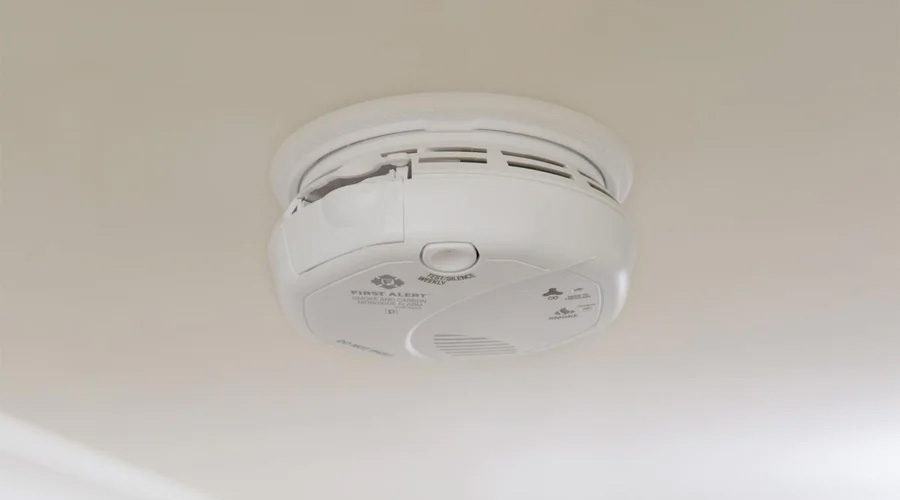
- Compact Design: Designed to resemble standard smoke detectors, these cameras are discreet and blend seamlessly into home decor, allowing for covert surveillance without drawing attention.
- Local and Cloud Storage Options: Users have the choice of storing footage locally on an SD card or opting for cloud storage. The latter offers the advantage of remote access and safeguarding footage from tampering.
Setup of Fire Detector Spy Cameras
Setting up a fire detector spy camera requires careful planning and execution to ensure optimal functionality and compliance with safety regulations. Here’s a systematic guide to facilitate the process:
- Choose the Right Location: The placement of the fire detector spy camera is paramount. It should be installed in locations that are vulnerable to fire hazards yet conducive to surveillance, such as kitchens, garages, or near electrical appliances.
- Installation Process: Most devices come with detailed instructions. Typically, the camera must be mounted on the ceiling or high on a wall. Ensure it is securely affixed to avoid accidents. Power connections, if required, should be rated for safety.
- Linking to Wi-Fi: Use the accompanying app to connect the device to your home Wi-Fi network. Follow the prompts for entering your network credentials, and ensure a stable connection for uninterrupted functionality.
- Testing Functionality: After installation, conduct thorough tests. This includes checking the camera’s angle, clarity of video footage, night vision capabilities, and proper functioning of fire detection sensors.
- Monitor Settings and Alerts: Customise alert settings within the app to notify you of movement or smoke detection. Adjust video quality settings according to your broadband capacity to prevent data overload.
Legal Considerations for Fire Detector Spy Cameras
The integration of surveillance technology raises significant legal implications, particularly regarding privacy and consent. Before purchasing and installing a fire detector spy camera, it is essential to understand the regulations governing its use. Here are key legal considerations:
- Privacy Laws: Many jurisdictions have stringent laws regarding surveillance devices. Always research your local laws concerning video recording, especially in private spaces. Recording individuals without their consent may lead to legal consequences.
- Notification Requirements: In some areas, there is a legal mandate to inform guests and visitors of surveillance devices. This can be done through signage or verbal communication.
- Data Protection Regulations: Ensure compliance with data protection regulations applicable in your region, such as the General Data Protection Regulation (GDPR) in Europe. This includes safely storing video footage and ensuring it is not used for unlawful purposes.
- Restricting Access: Limit access to recorded footage to only those who are entitled to view it. Maintaining confidentiality is not only best practice but can also shield you from potential lawsuits.
- Consult Legal Experts: When in doubt, consult with legal professionals to fully understand your responsibilities when operating surveillance equipment, particularly in complex environments like workplaces or shared residences.
In conclusion, fire detector spy cameras represent a unique convergence of security and safety technologies. Their diverse features, such as dual-lens night vision and smoke detection capabilities, promise enhanced surveillance. However, setting them up requires diligence to ensure optimal performance while adhering to legal frameworks. Ultimately, informed decisions regarding installation and operation can maximise the benefits of these innovative devices while protecting both personal and communal rights.
FAQ
What is a fire detector spy camera?
A device that combines fire detection sensors with covert surveillance camera capabilities to monitor both fire safety and security.
Are fire detector spy cameras legal to install in my home?
Legal regulations vary; it is important to check local privacy and surveillance laws and obtain consent if required before installation.
How can I ensure proper setup of a fire detector spy camera?
Install it in fire-prone areas, secure mounting, connect to Wi-Fi, and thoroughly test all sensor and camera functions to ensure optimal performance.
Can I access footage remotely from a fire detector spy camera?
Yes, most devices offer Wi-Fi connectivity that allows remote live streaming and alerts via dedicated smartphone apps.


Leave a Reply