Short Answer
Dealing with electrical problems can be both daunting and frustrating, particularly when it seems like all the plug sockets in your home have mysteriously ceased to function. This guide will help illuminate the path toward troubleshooting your electrical issues safely and effectively. By understanding the potential causes and applying safe practices, you can regain control over your power supply.
1. Understanding the Basics of Electrical Circuits
Before delving into troubleshooting, it’s essential to comprehend the fundamentals of electrical circuits. At the heart of your home’s electrical system lies the circuit, a closed loop that allows electricity to flow. Each circuit typically powers specific areas or functions of your house. Understanding how these circuits are laid out can be instrumental in identifying where problems may occur.
In residential settings, circuits usually consist of a breaker panel, wiring, and outlets. Each of these components plays a pivotal role in the system’s functioning, and if one element falters, it may lead to a cascade of failures.
2. Preliminary Checks: Safety First
When faced with non-functioning plug sockets, safety should be your foremost concern. Start by ensuring that you are wearing rubber-soled shoes and avoid standing on wet surfaces. Additionally, using insulated tools can prevent accidental shocks.
Begin your diagnosis by examining the simplest issues. Check if the devices plugged into the sockets are working elsewhere. If they aren’t, the problem may lie with the device rather than the socket.
Next, inspect the circuit breaker panel. If you find any tripped breakers, toggle them back to the ‘On’ position. This often resolves the issue, particularly in cases of overloading.
3. Investigating the Socket
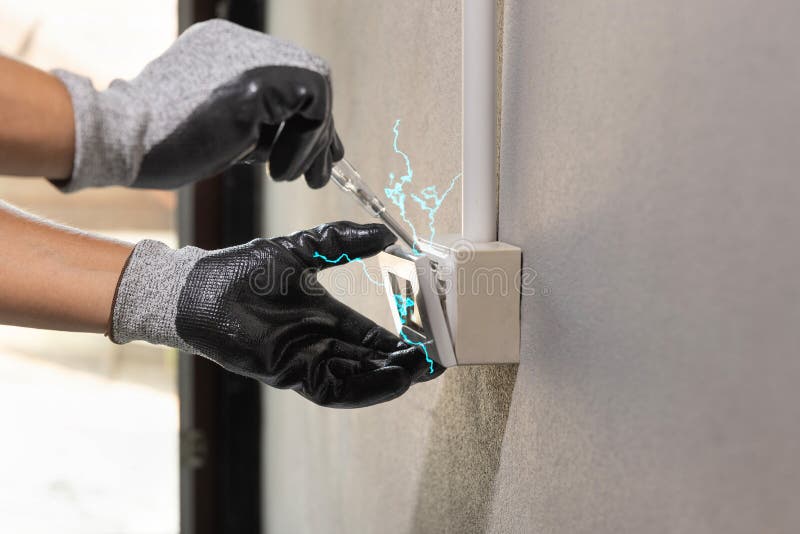
If the problem persists after checking the circuit breaker, it may be time to inspect the sockets themselves. This process requires a more nuanced approach:
- Visual Inspection: Examine the socket for any visible signs of damage, such as burns, cracks, or discoloration. If any abnormality is present, it may indicate a serious electrical fault.
- Use of a Voltage Tester: To safely check for voltage, use a non-contact voltage tester. This device will detect electrical currents without direct contact. If the tester does not illuminate, there is no power reaching the socket.
A non-functional socket may be indicative of underlying issues with your home’s wiring. If your inspection reveals no immediate faults, consider that loose wiring connections might be the source of the problem.
4. Identifying Common Electrical Problems
Several common electrical issues could lead to non-working plug sockets. Recognising these can save time and prevent unnecessary frustration:
- Power Surges: A severe power surge can damage appliances and lead to tripped circuits. Circuit breakers are designed to protect against this, but persistent surges can weaken the system over time.
- Overloaded Circuits: Plugging too many devices into a single socket can overload the circuit, causing it to shut down.
- Faulty Breakers: Sometimes a breaker may appear intact but can still malfunction internally. Replacing a faulty breaker can resolve ongoing issues.
5. When to Call a Professional
While minor electrical problems can often be resolved independently, some situations necessitate professional intervention. Seek help from qualified electricians for the following scenarios:
- Recurring Issues: If you frequently find yourself resetting breakers or dealing with non-functioning sockets, it’s time to consult with a professional.
- Burning Smells: A burning odour emanating from the electrical socket is a clear indication of a severe problem that requires immediate attention.
- Unusual Behaviour: If certain devices work intermittently or your lights flicker, this could suggest deeper wiring issues.
6. Maintaining Electrical Systems for Optimal Performance
Once any problems have been solved, proactive maintenance is essential. Regular inspections of plugs and sockets, ensuring that outlets are not overloaded, and keeping the breaker panel free of dust can extend your electrical system’s lifespan. Additionally, installing surge protectors can safeguard your devices against future surges.
Creating a circuit plan can also be beneficial. Map out which circuits power which areas of your home. This knowledge will aid in troubleshooting and help you avoid overloading circuits in the future.
7. Conclusion
Navigating the complexities of electrical problems might seem intimidating, especially when faced with non-functioning plug sockets. However, understanding the basics, conducting preliminary checks, and knowing when to involve professionals can empower you to manage these situations with confidence. Electrical systems need careful attention and respect, ensuring not only functionality but also the safety of everyone in the household. By taking proactive steps, you can ensure that your electrical fittings remain functional, so you can plug in with peace of mind.
FAQ
What should I do if all my plug sockets are not working?
Start by checking your circuit breaker for tripped breakers, inspect the devices for faults, and ensure that the sockets themselves are not damaged.
When should I call a professional electrician?
Call a professional if you notice burning smells, frequent circuit resets, or if devices are malfunctioning intermittently.
How can I prevent power surges?
Installing surge protectors and avoiding overloading sockets can help prevent power surges.



Leave a Reply