Short Answer
When one considers the effervescent allure of champagne, a question often arises at celebratory gatherings and opulent soirées: how many glasses can one extract from a standard bottle? This seemingly mundane inquiry opens the door to a myriad of fascinating aspects surrounding champagne, from its unique production methods to the cultural significance of its consumption. In this guide, we shall explore the estimates of servings per bottle, the factors influencing these figures, and proper serving etiquette.
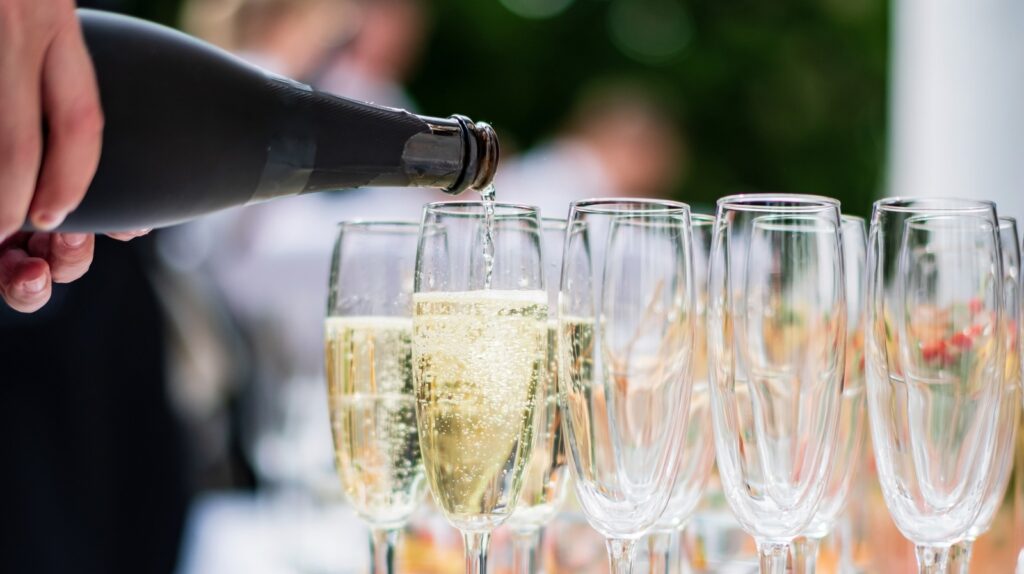
To commence, the average champagne bottle holds 750 millilitres of sparkling effervescence. Based on standard measurement, it is commonly estimated that one can pour approximately six to seven standard glasses from a single bottle of champagne. This estimation adheres to the typical serving size of around 125 millilitres per glass, ideal for allowing the bubbles to flourish and the intricate flavours to be fully appreciated.
Nevertheless, this calculation can vary significantly based on a multitude of factors. One prominent variable is the type of glass used. For instance, the infamous coupe glass, reminiscent of a bygone era of glamour, typically requires a more substantial pour. In contrast, a flute allows for a more modest serving, thereby increasing the number of glasses per bottle. Customarily, the coupe can accommodate fewer servings—possibly around five glasses, depending on pour style—while the flute can stretch the servings closer to seven or eight, particularly if poured with meticulous care.
Furthermore, the manner of serving can also drastically influence the pour. Champagne is renowned for its effervescence, and when poured too quickly, the foam can lead to an inflated head, especially in more utilitarian glassware. Pouring at a slight angle can mitigate foaming, thus enabling a more generous serving. Interestingly, the ritual of pouring champagne has its own charm and intricacies, entailing an almost ceremonial approach that enhances the overall drinking experience.
The selection of glassware is indeed a notable consideration. While flutes and coupes are the most celebrated choices, the recent resurgence of tulip glasses—which feature a broader bowl but taper at the rim—has garnered attention for its ability to preserve the sparkling bubbles, allowing for a richer olfactory experience. Each glass type evokes a different ambiance and aesthetic, further elevating the champagne-tasting experience. The correct choice subtly influences the perception of taste, aroma, and even the overall emotional response to the beverage.
Moreover, beyond sheer volume, one must consider the context in which champagne is served. Is it a casual brunch, where mimosas may dilute the traditional experience, or a lavish evening affair, where the champagne stands as a centerpiece of the celebration? Deciding factors include the number of guests and the overall significance of the occasion. At weddings, for instance, a customary toast often implies that bottles will be opened en masse, and thus strategic planning for a larger quantity of bottles may supersede the classic six-glass rule.
On a deeper level, the fascination surrounding champagne extends beyond its numerical servings. Champagne embodies a narrative rich with history, celebration, and sophistication. The method of production, known as méthode champenoise or traditional method, speaks to the meticulous craftsmanship that transforms humble grapes into this iconic beverage, a transformation laden with sugar, fermentation, and time. Each sip encapsulates a journey through vineyards, seasons, and regions, capturing the essence of terroir—a concept deeply valued in the world of wine.
Furthermore, the social implications of serving champagne cannot be overstated. It functions as a conduit of connection, a beverage that transcends simple refreshment, embodying milestones, joy, and tradition. The sparkle in a glass invites conversation and ignites merriment, signalling life’s most cherished moments. It creates an ambience that encourages the exchange of laughter, the sharing of dreams, and the crafting of memories, all while beckoning to the elegance often associated with fine dining and celebration.
In terms of practical application, if one finds themselves in a position where they must calculate consumption, several factors must align accordingly. It is advisable to consider the duration of the event, the style of gathering, and accompanying beverages. Champagne often pairs well with a range of culinary delights, from canapés to rich desserts, which can influence overall consumption levels. As is often said, the best approach to champagne is the enjoyment of it—not simply the counting of pours or measuring of servings.
Ultimately, while we may arrive at basic arithmetic when estimating servings from bottles of champagne, the experience transcends mere numbers. Each bottle may yield six or seven glasses, but the narratives it unfolds and the memories it helps create are immeasurable. This unique bubbly beverage serves not only to quench thirst but also to celebrate life’s most poignant milestones, making each pour shine just a little brighter.
In conclusion, whether you are toasting to an achievement, commemorating a special occasion, or simply enjoying the effervescent dance of bubbles, understanding the intricacies behind how many glasses are in a bottle of champagne adds depth to your appreciation. So next time you pop the cork, remember to pour with intention—a true celebration comes not just from the drink but from the joy and connection it fosters.
FAQ
How many glasses can you get from a bottle of champagne?
Typically, a standard 750 ml bottle of champagne yields about six to seven glasses, depending on the glass type and serving method.
What factors affect the number of servings from a bottle?
Factors include the type of glass used, pour style, and the occasion for serving.
Leave a Reply