Short Answer
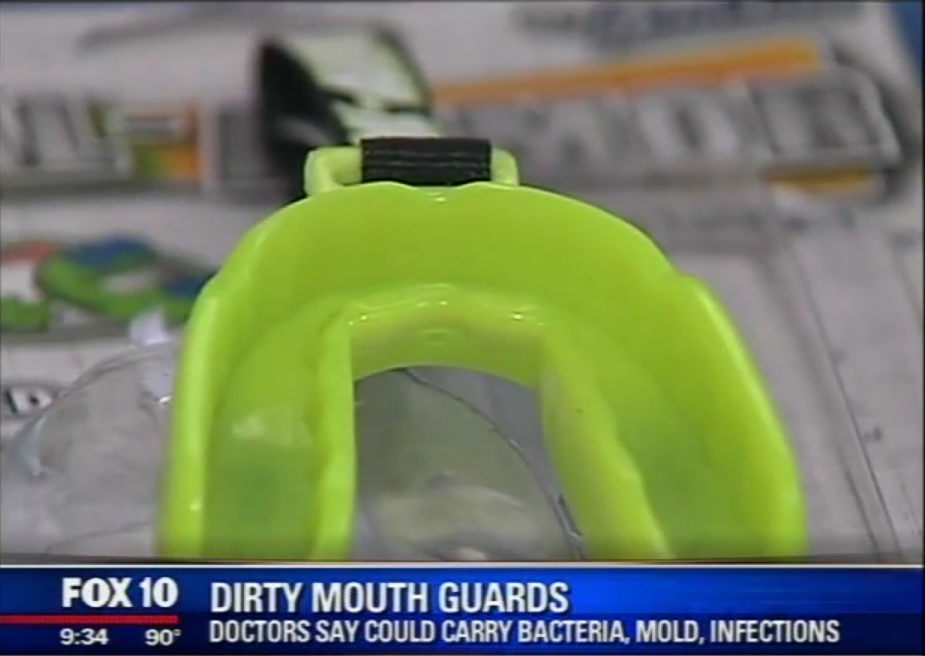
Have you ever wondered how clean your mouthguard really is? Picture this: your mouthguard, a vital piece of sporting equipment, brimming with opportunities for germs to thrive. It raises a provocative question: are you inadvertently inviting bacteria to a game of your very own? The reality is that these protective devices, essential for safeguarding teeth during vigorous sports, can often become cesspools of unwanted microbes if not properly maintained. This article dives deep into the world of mouthguard hygiene, offering quick hacks for ensuring your gear remains fresh and free from germs.
Before we embark on this journey of maintenance mastery, let’s explore the importance of a pristine mouthguard. As a barrier between your teeth and potential injury, a mouthguard prevents dental disasters during contact sports. However, neglecting its cleanliness can lead to consequences far beyond a foul taste in your mouth. Bacteria can cause infections and increase the risk of gum disease. Thus, committing to the regular cleaning of your mouthguard is paramount—not just for oral health but for overall well-being.
Quick Hacks for Cleaning Your Mouth Guard
Now, let’s delve into some ingenious methods for achieving a germ-free mouthguard. These quick hacks are not only effective but also remarkably easy to implement:
1. Soapy Water Soak
The most straightforward method involves a concoction of warm water and mild soap. Begin by filling a small bowl with lukewarm water, then add a few drops of gentle dish soap. Allow your mouthguard to soak in this mixture for approximately 10-15 minutes. This simple act dislodges dirt, grime, and odour, culminating in a surprisingly fresh result.
2. Baking Soda Scrub
Baking soda is renowned for its deodorising properties and is a gentle abrasive that can be used to cleanse your mouthguard effectively. Create a paste by mixing baking soda with a small amount of water, then gently scrub the surface of the mouthguard with a soft toothbrush. This hack not only cleans but also neutralises any lingering smells. Rinse thoroughly with water afterwards to ensure no residue remains.
3. Vinegar Solution
Consider harnessing the natural power of vinegar as an alternative to commercial cleaners. Mix equal parts white vinegar and water in a bowl and immerse your mouthguard for about 30 minutes. The acetic acid in vinegar acts as a formidable foe against harmful bacteria, breaking down their structure and leaving you with a clean mouthguard. Be sure to rinse it well afterwards to eliminate the vinegary aroma.
4. Hydrogen Peroxide Rinse
For those particularly keen on sanitising their mouthguards, hydrogen peroxide is an excellent choice. A solution of equal parts hydrogen peroxide and water can be used to soak the mouthguard for 15-20 minutes. This method is effective at killing bacteria and viruses, offering a potent level of cleanliness. As always, a thorough rinse is crucial to remove any traces of hydrogen peroxide before use.
5. Microwave Method
When time is of the essence, the microwave method is a saviour! Place your mouthguard in a microwave-safe bowl filled with water, then heat it on high for about 30 seconds. The heat and steam will work their magic, effectively sterilising your mouthguard. Avoid extending the time beyond 30 seconds, as excessive heat can warp the material.
Proactive Habits for Mouthguard Maintenance
Beyond these quick cleaning hacks, adopting proactive habits can extend the life of your mouthguard while ensuring it remains free from germs:
1. Rinse After Use
Absolutely make it a point to rinse your mouthguard with cool water after each use. This simple act helps to remove saliva and food particles and inhibits bacteria growth. It takes mere seconds but can significantly diminish the accumulation of grime over time.
2. Dry Thoroughly
Moisture is the nemesis of hygiene. It’s critical to allow your mouthguard to air dry completely before storing it. Placing a damp mouthguard in a case creates an incubator for bacteria, fostering an environment where they can thrive. Always ensure it’s dry to the touch before tucking it away.
3. Store Properly
Use a ventilated storage case rather than a sealed container to store your mouthguard. This allows airflow and prevents moisture accumulation, minimising the risk of bacterial growth. Some cases come with antimicrobial properties, providing an added layer of protection.
4. Regular Replacement
While these cleaning hacks will help maintain the mouthguard’s cleanliness, it’s essential to remember that no mouthguard lasts indefinitely. Regularly inspect your gear for wear and tear, and replace it as needed. Signs of deterioration can compromise its ability to protect your teeth effectively.
Conclusion
In the competitive world of sports, ensuring your mouthguard is clean and hygienic should be a top priority. By adopting these quick hacks and proactive maintenance strategies, you can minimise the risks associated with bacteria while maximising your protection. So, the next time you reach for your mouthguard, ask yourself: is it clean enough for my next match? Your teeth will thank you, and your opponents may just find their game a little less challenging!
FAQ
What are some quick ways to clean a mouthguard?
Soaking in soapy water, scrubbing with baking soda paste, soaking in vinegar solution, hydrogen peroxide rinse, and brief microwave sterilization are effective methods.
Why is it important to dry a mouthguard before storing it?
Drying prevents moisture buildup, which can promote bacterial growth and lead to infections.
Can baking soda help remove odors from a mouthguard?
Yes, baking soda neutralizes odors and gently cleans the mouthguard surface.

Leave a Reply