Short Answer
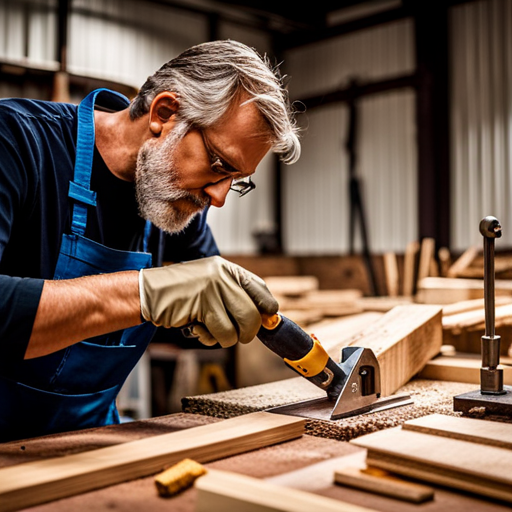
Metal band saw cutting is an art form in its own right, bridging the gap between mechanical precision and creative craftsmanship. The resonating hum of a band saw is both a promise and a challenge — it offers the potential for impeccable cuts while demanding respect and skill in its operation. Whether you’re a seasoned professional or an enthusiastic hobbyist, mastering the nuances of metal band saw cutting can significantly elevate your projects and refine your craftsmanship. This article delves into some invaluable tips and tricks that will shift your perspective, encouraging a deeper appreciation for the intricacies of metalworking.
First and foremost, understanding your material is paramount. Metal band saws are versatile, able to slice through various materials like aluminium, steel, and even exotic alloys. It’s essential to select the appropriate blade for each specific material. Bi-metal blades are often the go-to choice due to their resilience and longevity, designed to endure high-speed cuts while maintaining a sharp edge. Remember, the finer the teeth, the smoother the finish on materials requiring intricate cuts, whereas coarser teeth are advantageous for rapid cuts through thicker metals.
Next, consider the importance of the saw’s tension and tracking. A band saw’s blade must be correctly tensioned to achieve optimal performance. If the blade is too slack, it may wander off course, resulting in uneven cuts and frustration. Conversely, excessive tension can lead to premature blade failure. Regularly check your manufacturer’s specifications regarding tension, and utilise the saw’s tracking adjustment mechanism to ensure the blade runs parallel to the wheels. This precision ensures that every cut is as true as it can be, fostering confidence in your work.
Equally crucial is the speed at which you operate. The cutting speed should be adaptable based on the material and thickness. For softer metals, a higher speed may be appropriate, while harder metals typically necessitate a lower speed to prevent overheating and blade dulling. This tactical approach to speed does not merely enhance the quality of the cut but also prolongs the life of the blade. Develop a keen sense of your material’s responsiveness to different speeds; it can be the difference between a flawless finish and a botched project.
Equipped with the right blade and settings, it’s time to focus on the setup of your workstation. Ensure that your metal band saw is placed on a stable and level surface, minimising vibrations that could impede precision. An unsteady surface can lead to inconsistent cuts, so investing in a robust workbench is worthwhile. Additionally, employ appropriate clamping techniques to secure your workpiece. A moving or shifting material during cutting can cause inaccuracies and potential hazards. Jigs and fixtures can be invaluable for holding your workpiece steady whilst also allowing for repeated cuts with uniform dimensions.
One cannot overlook the art of feed rate. The rate at which you feed the material into the band saw significantly influences both the quality of the cut and the longevity of your blade. A too-rapid feed can overload the blade, causing it to bind or break, while a sluggish feed may generate excessive heat, compromising the integrity of your material. Finding an optimal feed rate—one that balances efficiency with precision—is an essential skill that improves with experience. Pilot cuts can provide a helpful initial reference point, allowing you to hone in on the right rhythm and pressure.
Moreover, the angle of your cut plays a vital role in the precision of your outcomes. Understanding whether you require straight cuts or more complex angles is crucial. Compound cuts, for instance, may require additional setup and accuracy, highlighting the importance of measuring thrice and cutting once. Utilising a protractor or an angle finder can assist in achieving the desired angle, aiding in the necessary adjustments to your setup. Remember, attentive measuring transforms potential miscalculations into surety.
Among the more often overlooked aspects is the necessity of periodic blade maintenance. Regularly changing blades according to wear indicators extends not just the life of your saw but also the consistency of your cuts. Additionally, keeping the blade clean and free of any debris prevents overheating and friction which can lead to premature wear. Incorporating a blade cleaning solution or a simple mixture of kerosene and oil into your routine ensures optimal performance.
Safety cannot be overstated when dealing with metal band saws. Equip yourself with the necessary personal protective equipment (PPE); safety goggles, gloves, and ear protection are essential. Ensure that you are familiar with the emergency stop mechanisms of your machinery and respect the power of the saw. Practising a safety-first mindset can prevent accidents and cultivate an environment conducive to creativity and innovation.
In addition to the technical aspects, nurturing a mindset of continuous learning is invaluable. Engage with online communities, forums, or local workshops dedicated to metal cutting and band saw operation. Observing experienced craftsmen and sharing insights can expose you to new techniques and innovations, enhancing your skill set. After all, the world of metal band sawing is ever-evolving, beckoning you to explore its depths.
In conclusion, mastering metal band saw cutting demands a keen understanding of both the machinery and the materials being used. By honing your knowledge of blades, tension, speed, and feed rates, you position yourself to achieve flawless cutting results. With the right techniques, attention to detail, and a commitment to safety, you not only elevate your projects but also enrich your journey as a craftsman. With each cut, you are not merely working with metal; you are shaping your creative expression into tangible form. Embrace the challenge, and let your artistry shine through each meticulously executed cut.
FAQ
What types of blades are best for cutting different metals on a band saw?
Bi-metal blades are commonly recommended due to their durability and versatility. Finer teeth are suited for smoother cuts on thinner or softer metals, while coarser teeth are better for faster cutting of thicker metals.
How important is blade tension and tracking for metal band saw cutting?
Proper blade tension and tracking are critical for precision. Too loose tension causes blade wandering and uneven cuts, while too much tension can break the blade. Tracking adjustments keep the blade aligned with the wheels for optimal cutting accuracy.
What safety measures should be taken when operating a metal band saw?
Always wear personal protective equipment such as safety goggles, gloves, and ear protection. Be familiar with the emergency stop controls, secure the workpiece properly, and maintain a safety-first mindset to prevent accidents.
How does feed rate affect metal band saw cutting?
Feed rate influences cut quality and blade longevity. Feeding too quickly can overload the blade, causing damage, while feeding too slowly may cause overheating. Finding the right balance improves results and extends blade life.


Leave a Reply